Most American families facing substance use disorders discover just how challenging the search for truly personalized treatment can be. With addiction rates increasing nationwide, the need for better answers grows more urgent each year. Molecular diagnostics is transforming recovery, offering healthcare providers insights that traditional methods simply cannot achieve. By tapping into the science of genetics and biology, this innovative approach promises more accurate diagnoses and tailored care for those navigating the complexities of addiction.
Table of Contents
- Defining Molecular Diagnostics In Addiction Recovery
- Types Of Molecular Testing In Substance Use Disorders
- Integrating Diagnostics Into Treatment Programs
- Impact On Personalized Care And Outcomes
- Risks, Limitations, And Best Practices
Key Takeaways
| Point | Details |
|---|---|
| Molecular Diagnostics Transform Addiction Treatment | By utilizing advanced techniques to analyze genetic and biochemical markers, treatment strategies can be personalized to address each individual’s unique addiction profile. |
| Integration into Treatment Programs | Incorporating diagnostic tests allows for personalized interventions, continuous monitoring, and proactive strategies to improve recovery outcomes. |
| Advancements in Personalized Medicine | Personalized care enhances treatment efficacy by predicting medication responses and tailoring interventions to the patient’s specific characteristics. |
| Considerations for Implementation | Careful validation and ethical management are essential in applying molecular diagnostics to ensure accuracy and patient safety. |
Defining Molecular Diagnostics in Addiction Recovery
Molecular diagnostics represents a groundbreaking approach to understanding and treating substance use disorders (SUDs), providing unprecedented insights into the complex biological mechanisms underlying addiction. By analyzing genetic, molecular, and biochemical markers, these advanced diagnostic techniques enable healthcare professionals to develop more targeted and personalized treatment strategies.
At its core, molecular diagnostics involves sophisticated laboratory techniques that examine an individual’s genetic profile, protein expressions, and cellular interactions to reveal specific biomarkers associated with addiction vulnerability. Translational research strategies have demonstrated that these molecular insights can help predict an individual’s risk for substance dependency, potential treatment response, and likelihood of relapse.
The key components of molecular diagnostics in addiction recovery include genetic screening, genomic analysis, proteomic profiling, and biochemical assessments. These methods go far beyond traditional diagnostic approaches by:
- Identifying genetic variations that might increase addiction susceptibility
- Detecting molecular changes resulting from chronic substance use
- Mapping neurological pathways involved in addictive behaviors
- Providing personalized risk assessments for specific substances
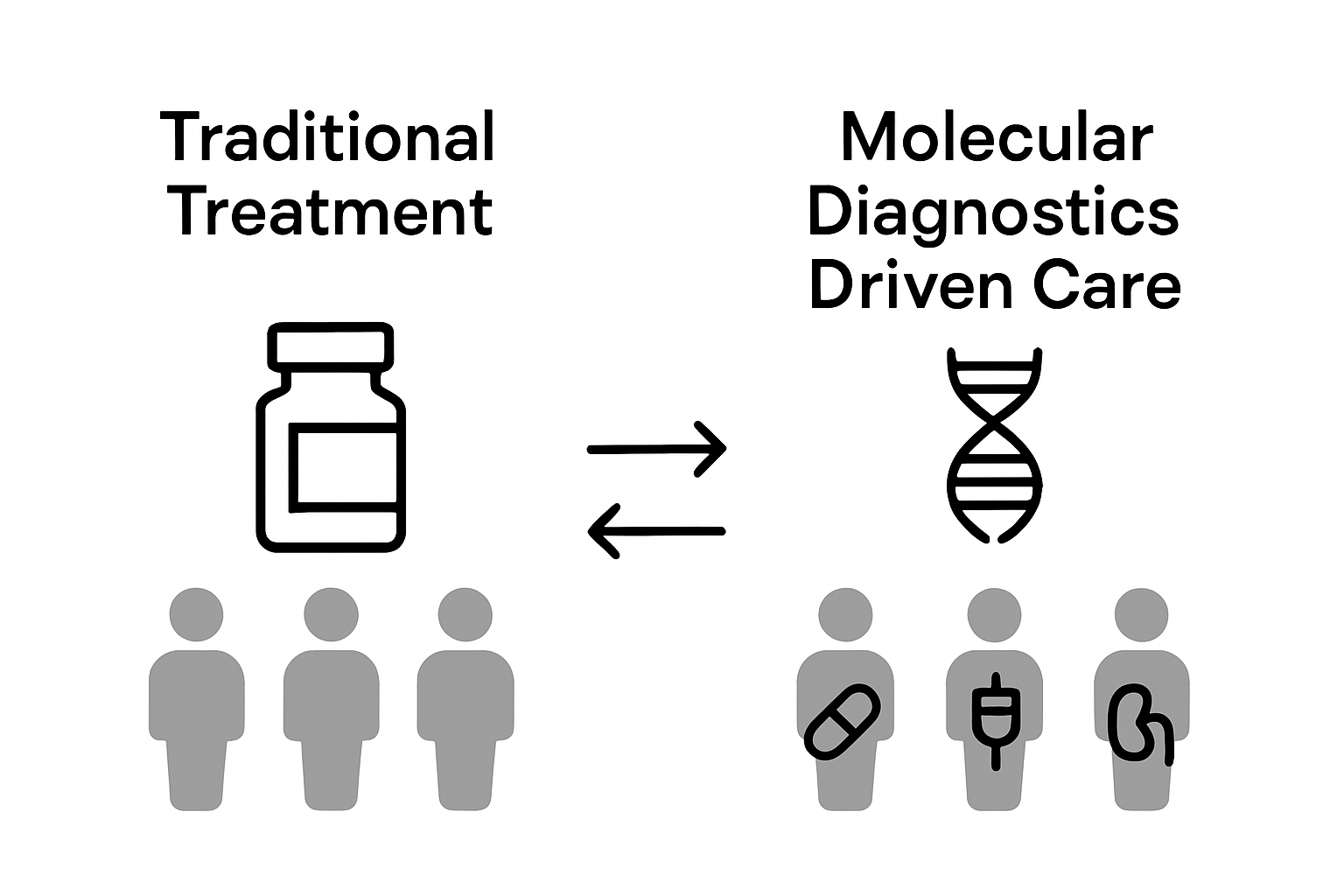
By integrating these advanced diagnostic techniques, healthcare providers can develop more precise intervention strategies that address the unique biological underpinnings of each patient’s addiction experience. Molecular diagnostics techniques ultimately transform addiction recovery from a one-size-fits-all model to a nuanced, scientifically tailored approach that recognizes the complex interplay of genetic, environmental, and neurological factors driving substance use disorders.
Types of Molecular Testing in Substance Use Disorders
Molecular testing in substance use disorders encompasses a diverse range of sophisticated diagnostic techniques designed to detect, analyze, and characterize drug use, genetic predispositions, and physiological changes associated with addiction. These advanced methodologies provide healthcare professionals with comprehensive insights that go far beyond traditional screening approaches.
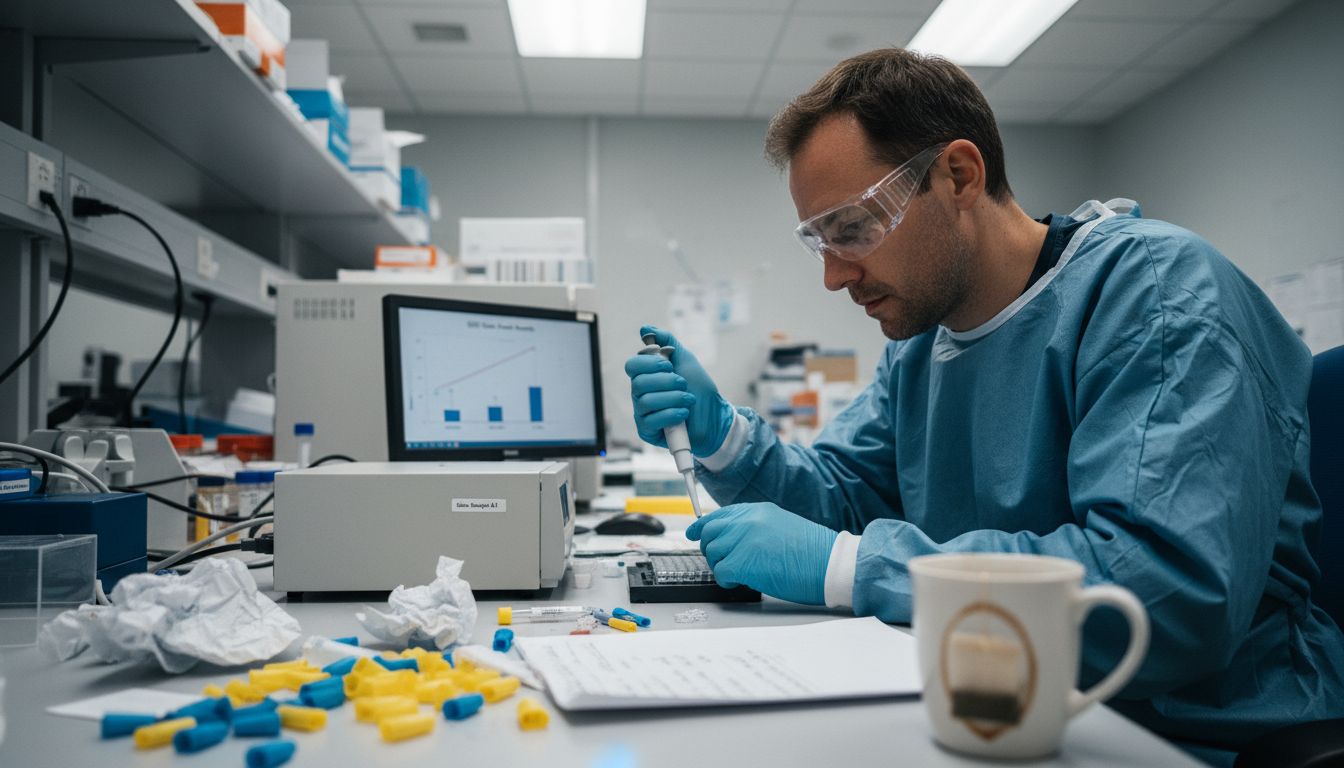
Comprehensive drug screening methods include multiple biological sample analyses, each offering unique advantages in detecting substance use. Urine testing remains the gold standard, providing a wide detection window and comprehensive substance profile. Saliva tests offer real-time impairment assessment, while hair follicle testing can reveal long-term substance use patterns spanning months. Emerging technologies like sweat and meconium analysis provide additional diagnostic pathways for specific populations.
Genetic molecular testing techniques represent another critical dimension of substance use disorder diagnostics. Advanced genetic screening methods such as Fluorescence In Situ Hybridization (FISH), Multiplex Ligation-dependent Probe Amplification (MLPA), and DNA sequencing enable researchers to identify genetic variations that might increase addiction vulnerability:
- Genetic Profiling: Identifying inherited genetic markers associated with substance dependency
- Biochemical Analysis: Detecting molecular changes resulting from chronic substance use
- Neurological Mapping: Understanding genetic factors influencing addictive behaviors
- Personalized Risk Assessment: Developing targeted intervention strategies
These molecular testing approaches transform addiction diagnostics from reactive screening to proactive, personalized medical interventions. By combining molecular diagnostics techniques, healthcare providers can develop nuanced treatment plans that address the complex biological, genetic, and environmental factors driving substance use disorders.
Integrating Diagnostics Into Treatment Programs
Diagnostic integration represents a transformative approach to addiction treatment, enabling healthcare providers to develop more precise, personalized, and effective recovery strategies. By leveraging advanced molecular and neurological assessment techniques, treatment programs can move beyond traditional one-size-fits-all models to create targeted interventions that address the unique biological and psychological aspects of each patient’s substance use disorder.
Advanced neural network frameworks are revolutionizing how clinicians approach addiction treatment by providing objective, data-driven insights into patient conditions. Cutting-edge technologies like NeuroCLIP demonstrate the potential of integrating electroencephalogram (EEG) and functional near-infrared spectroscopy (fNIRS) data to assess addiction severity, track treatment progress, and predict potential relapse risks with unprecedented accuracy.
The integration of diagnostic tools into treatment programs involves several critical components:
- Comprehensive Initial Assessment: Using molecular and genetic screening to understand individual addiction vulnerabilities
- Personalized Treatment Planning: Developing targeted interventions based on specific biological markers
- Continuous Monitoring: Tracking physiological and neurological changes throughout recovery
- Predictive Modeling: Utilizing AI-driven analytics to anticipate potential treatment challenges
By embracing advanced diagnostic approaches, addiction treatment centers can create more responsive, adaptive, and effective recovery programs. This data-driven approach transforms addiction treatment from a reactive model to a proactive, precision-medicine strategy that addresses the complex biological, genetic, and environmental factors underlying substance use disorders.
Impact on Personalized Care and Outcomes
Personalized medicine in addiction recovery represents a paradigm shift from traditional treatment approaches, enabling healthcare providers to develop targeted interventions that address the unique biological, genetic, and neurochemical characteristics of individual patients. This transformative approach moves beyond generic treatment protocols to create highly specialized recovery strategies that significantly improve patient outcomes and long-term recovery potential.
Machine learning analysis of proteomic data has revolutionized our understanding of addiction at the molecular level, uncovering specific biomarkers that can predict treatment response and potential relapse risks. By identifying unique genetic and biochemical signatures, clinicians can now develop unprecedented levels of precision in addiction treatment, tailoring interventions to an individual’s specific physiological profile.
The key advantages of personalized care in addiction recovery include:
- Genetic Risk Assessment: Identifying inherited vulnerabilities to substance use disorders
- Targeted Medication Selection: Developing pharmaceutical interventions based on individual metabolic profiles
- Predictive Relapse Prevention: Using molecular markers to anticipate potential recovery challenges
- Customized Treatment Protocols: Designing interventions that address specific biological and psychological factors
Advanced pharmacogenomic approaches are transforming addiction treatment by enabling healthcare providers to predict medication effectiveness, potential side effects, and optimal dosages for each patient. By leveraging diagnostic insights, treatment centers can create more responsive, adaptive recovery programs that significantly improve patient outcomes, reduce relapse rates, and provide a more compassionate, scientifically grounded approach to addiction recovery.
Risks, Limitations, and Best Practices
Molecular diagnostics in addiction recovery, while transformative, requires a nuanced understanding of potential limitations and risks. Healthcare providers must approach these advanced testing methodologies with careful consideration, balancing technological capabilities with ethical and practical constraints to ensure accurate, reliable, and meaningful diagnostic outcomes.
Drug testing methodologies present complex challenges that demand rigorous scientific scrutiny. The potential for false positives or negatives remains a significant concern, particularly in molecular testing where subtle variations in genetic markers or biochemical signatures can lead to misinterpretation. Sensitivity and specificity of diagnostic tests must be meticulously evaluated to prevent potentially harmful diagnostic errors.
Key best practices for implementing molecular diagnostics in addiction recovery include:
- Comprehensive Validation: Implementing multiple testing protocols to cross-verify results
- Continuous Calibration: Regularly updating diagnostic algorithms and testing methodologies
- Interdisciplinary Review: Involving multiple specialists in result interpretation
- Ethical Specimen Management: Ensuring strict confidentiality and informed consent protocols
- Technological Quality Control: Maintaining rigorous standards for diagnostic equipment
Molecular genetic testing requires sophisticated specimen collection and analysis techniques that demand exceptional precision. By leveraging advanced diagnostic approaches, healthcare providers can mitigate potential risks while maintaining the highest standards of patient care, ultimately delivering more accurate, reliable, and meaningful diagnostic insights that support effective addiction recovery strategies.
Elevate Addiction Recovery with Precision Molecular Diagnostics
Molecular diagnostics is changing the way addiction recovery is approached by uncovering the unique biological markers behind substance use disorders. If you are seeking to move beyond generic treatments and provide truly personalized care that addresses genetic, biochemical, and neurological factors, Centra Diagnostics offers advanced molecular testing solutions designed to empower clinicians and patients alike. Our cutting-edge technologies deliver fast, reliable insights that support targeted interventions and better health outcomes.
Discover how our comprehensive testing services at Centra Diagnostics can enhance your understanding of addiction risk and treatment response. Act now to integrate pioneering diagnostic tools that reduce relapse risk and improve personalized care strategies. Visit our website to learn more about molecular testing, toxicology, and specialized diagnostic approaches that transform addiction treatment into a precision-driven process.
Frequently Asked Questions
What is molecular diagnostics in addiction recovery?
Molecular diagnostics in addiction recovery involves advanced techniques that analyze an individual’s genetic, molecular, and biochemical markers to understand addiction and tailor personalized treatment strategies.
How can genetic testing impact addiction treatment?
Genetic testing can identify inherited vulnerabilities, predict treatment responses, and help develop personalized intervention strategies, ultimately improving outcomes in addiction recovery.
What types of molecular tests are commonly used for substance use disorders?
Common types of molecular tests include urine tests for drug screening, genetic profiling to identify addiction susceptibility, and biochemical analyses to detect physiological changes related to substance use.
What are the benefits of integrating molecular diagnostics into treatment programs?
Integrating molecular diagnostics allows for comprehensive assessments, personalized treatment plans, continuous monitoring, and predictive modeling, leading to more effective and adaptive recovery strategies.