
Understanding how chemicals impact our bodies starts at the smallest level. Molecular toxicology gives scientists a powerful window into these hidden changes, letting them spot subtle genetic shifts before symptoms appear. With over 90 percent of new drug candidates failing due to unforeseen toxicity, testing methods rooted in molecular biology have never been more critical. This guide uncovers how these cutting-edge tools work, what they reveal about health risks, and why they shape tomorrow’s medical advances.
Table of Contents
- Defining Molecular Toxicology Testing Methods
- Types Of Molecular Toxicology Testing Explained
- Step-By-Step Process And Key Technologies
- Clinical Applications And Healthcare Benefits
- Risks, Limitations, And Regulatory Considerations
Key Takeaways
| Point | Details |
|---|---|
| Molecular Toxicology Significance | Combines molecular biology and toxicology to elucidate the mechanisms of chemical interactions within biological systems. |
| Testing Methods | Utilizes advanced techniques like the Ames test and genome sequencing to assess genetic impacts from chemical exposure. |
| Clinical Applications | Enhances personalized medicine and drug development by enabling risk assessment and targeted treatments based on genetic profiles. |
| Challenges and Regulations | Faces complexities in interpreting genetic data, underscoring the need for rigorous methodologies and adherence to regulatory standards. |
Defining Molecular Toxicology Testing Methods
Molecular toxicology represents a sophisticated scientific approach that merges molecular biology techniques with toxicological research to understand the intricate mechanisms of chemical interactions within biological systems. According to research from PubMed, this field focuses on detecting and studying precise molecular-level changes induced by xenobiotics, revealing complex transformations in genomic DNA, mRNA expression, and individual genetic sensitivity.
At its core, molecular toxicology employs advanced technologies to investigate how external substances interact with living organisms at their most fundamental genetic level. As scientific research indicates PubMed, these methods are crucial for preclinical safety assessments, enabling researchers to comprehend specific toxicity mechanisms and evaluate potential risks associated with chemical exposures.
Key aspects of molecular toxicology testing include:
- Analyzing genetic mutations triggered by chemical interactions
- Identifying changes in gene expression patterns
- Evaluating individual genetic predispositions to toxic responses
- Mapping molecular pathways of potential harmful substances
The primary goal of molecular toxicology testing is to provide a granular understanding of how different compounds interact with biological systems. By examining molecular-level interactions, scientists can predict potential health risks, develop more targeted interventions, and create comprehensive safety protocols for various industries ranging from pharmaceuticals to environmental research.
Types Of Molecular Toxicology Testing Explained
Molecular toxicology testing encompasses a diverse range of sophisticated scientific techniques designed to evaluate the potential genetic and chromosomal impacts of various substances. According to research from Chem LibreTexts, these testing methods include several critical assays that provide comprehensive insights into potential genetic damage and mutations.
The primary types of molecular toxicology testing involve specialized genetic evaluation techniques. These include the Ames test for detecting gene mutations, allele-specific PCR for identifying single nucleotide polymorphisms, and chromosome aberration studies for examining structural chromosomal changes. As research from the National Toxicology Program indicates, one particularly important method is the erythrocyte micronucleus test, which evaluates potential chromosomal damage in developing red blood cells.
Key molecular toxicology testing methods include:
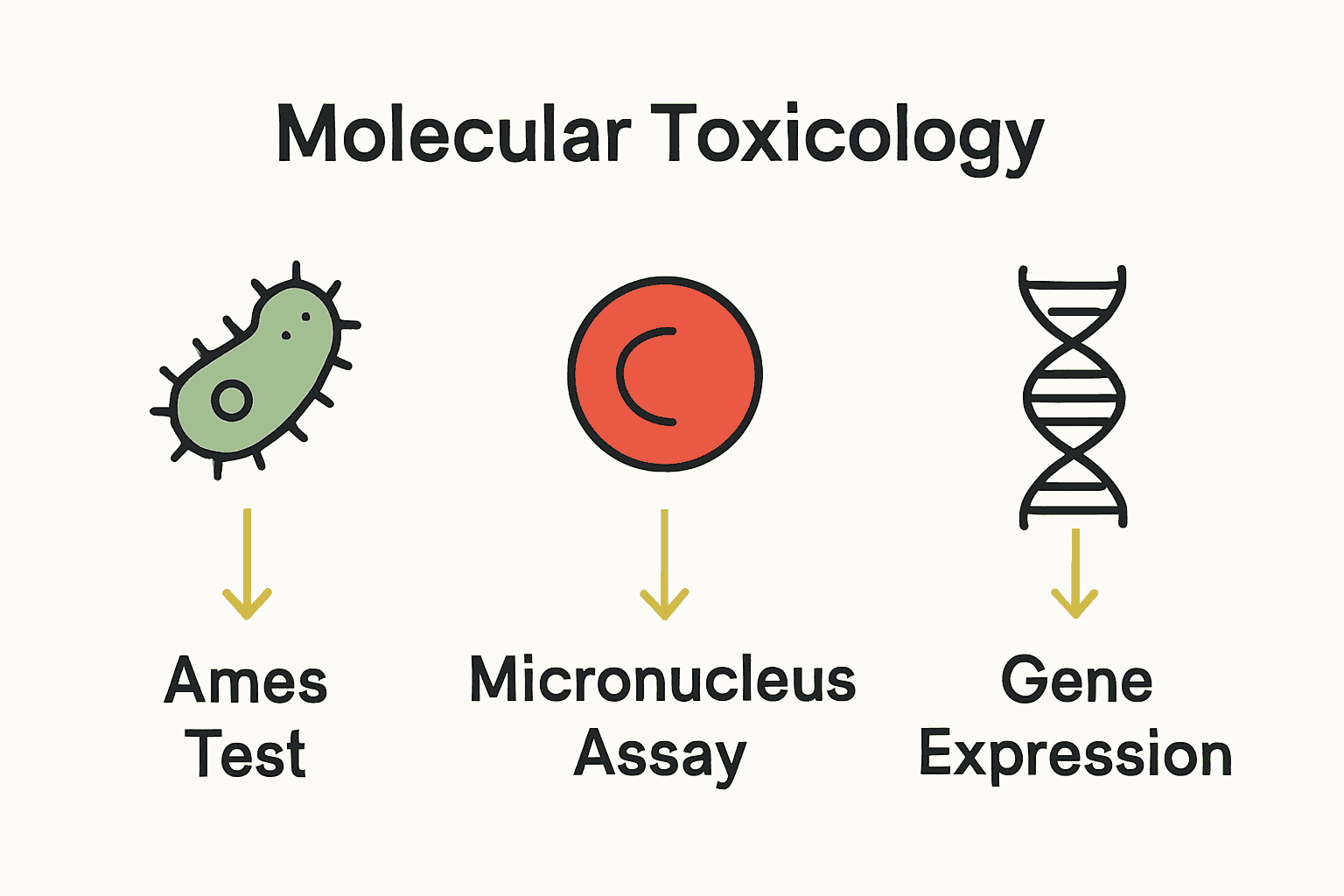
- Ames Test: Screening for gene mutations in bacterial systems
- Chromosome Aberration Studies: Detecting structural chromosomal changes
- Micronucleus Assays: Identifying genetic damage and chromosomal abnormalities
- Allele-Specific PCR: Analyzing specific genetic variations
- Gene Expression Analysis: Examining molecular-level genetic responses
These advanced testing methods serve critical functions across multiple scientific and medical domains. By providing detailed molecular insights, researchers can assess potential genetic risks, understand complex biological interactions, and develop more targeted strategies for managing chemical exposures and potential genetic damages. The precision of these techniques allows for unprecedented understanding of how external substances interact with genetic material at the most fundamental level.
Step-By-Step Process And Key Technologies
Molecular toxicology testing follows a meticulously structured process that combines advanced genetic technologies to assess potential biological risks. According to research from the National Toxicology Program, sophisticated techniques like the mouse lymphoma assay demonstrate the complexity of these scientific investigations, involving precise steps of cell culture preparation, substance exposure, and detailed mutation frequency evaluation.
The comprehensive testing process typically involves several critical stages. As detailed by NCBI, specimen collection is a fundamental initial step, with peripheral blood commonly used for various molecular genetic assays. Fluorescence In Situ Hybridization (FISH) emerges as a key technological approach, utilizing specialized fluorescent DNA probes to target and analyze specific gene sequences within cellular structures.
Key technological components of molecular toxicology testing include:
- Genetic Sequencing Platforms: Analyzing complete genetic maps
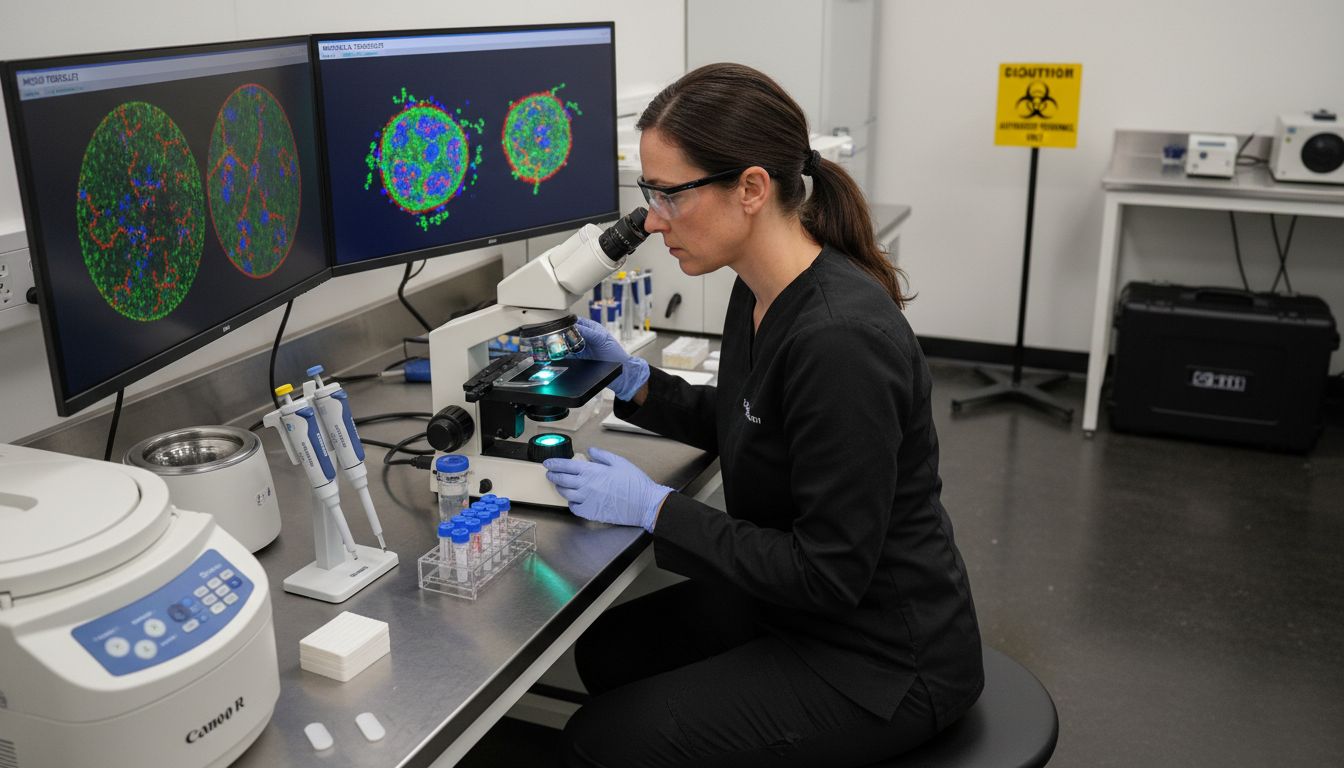
- Fluorescence Microscopy: Visualizing cellular and chromosomal changes
- PCR Technologies: Amplifying and detecting genetic material
- Spectroscopic Analysis: Measuring molecular interactions
- Computational Genetic Modeling: Predicting potential genetic responses
These advanced methodologies enable researchers to create a comprehensive molecular profile of potential genetic risks.
By systematically examining how substances interact with genetic material, scientists can develop critical insights into potential health impacts, genetic mutations, and long-term biological consequences of chemical exposures.
 The precision and depth of modern molecular toxicology testing represent a groundbreaking approach to understanding the intricate relationship between external substances and genetic integrity.
Clinical Applications And Healthcare Benefits
Molecular toxicology testing has revolutionized healthcare by providing unprecedented insights into disease prevention, drug development, and personalized treatment strategies. According to research from PubMed, investigative molecular toxicology plays a critical role in early-stage drug development, enabling researchers to systematically deprioritize compounds with significant toxicological risks and advance those with superior safety profiles.
In the realm of cancer treatment, molecular testing has become a game-changing diagnostic approach. As highlighted by My Cancer Genome, advanced techniques like pyrosequencing and mass spectrometry can detect specific genetic variants within tumors. These sophisticated methods allow healthcare professionals to identify actionable mutations, thereby guiding highly personalized cancer treatment protocols and developing targeted therapeutic interventions.
Key clinical applications of molecular toxicology testing include:
- Precision Medicine: Tailoring treatments based on individual genetic profiles
- Drug Safety Assessment: Evaluating potential pharmaceutical risks
- Cancer Diagnostic Screening: Detecting genetic mutations and cancer markers
- Genetic Risk Prediction: Identifying predispositions to inherited diseases
- Personalized Treatment Planning: Developing targeted therapeutic strategies
The transformative potential of molecular toxicology extends far beyond traditional diagnostic methods. By providing granular insights into genetic interactions, potential health risks, and individual biological responses, these advanced testing approaches are reshaping modern healthcare. Researchers and clinicians can now develop more nuanced, precise, and effective interventions that address the unique genetic landscape of each patient, marking a significant leap forward in personalized medical treatment.
Risks, Limitations, And Regulatory Considerations
Molecular toxicology testing, while revolutionary, faces significant challenges in accurately detecting and interpreting genetic changes. Research from NCBI highlights the complexity of assessing transmitted mutations, emphasizing the critical need for comprehensive and rigorous testing methodologies to accurately evaluate potential mutagenic risks.
Regulatory oversight plays a crucial role in mitigating the inherent limitations of molecular toxicology testing. According to the National Toxicology Program, techniques like the micronucleus test can identify chromosomal damage, but their accuracy is profoundly influenced by multiple factors. These include test conditions, biological variability, and the specific genetic characteristics of the tested samples, necessitating meticulous interpretation and stringent regulatory frameworks.
Key risks and limitations in molecular toxicology testing include:
- Biological Variability: Genetic differences between individual samples
- Technical Complexity: High potential for methodological errors
- Interpretation Challenges: Difficulty in definitively linking genetic changes to specific causes
- Sampling Limitations: Potential for incomplete or non-representative genetic sampling
- Regulatory Compliance: Navigating complex legal and scientific standards
Navigating these challenges requires a multifaceted approach combining advanced scientific techniques, rigorous regulatory standards, and continuous methodological refinement. While molecular toxicology testing offers unprecedented insights into genetic interactions, professionals must remain vigilant about its inherent limitations. The ongoing evolution of testing methodologies and regulatory frameworks ensures that these advanced diagnostic tools continue to provide valuable, yet carefully contextualized, scientific insights.
Unlock Precise Insights with Advanced Molecular Toxicology Testing
Understanding the detailed mechanisms behind molecular toxicology testing can be overwhelming. Challenges like accurately detecting genetic mutations, interpreting complex molecular data, and assessing individual genetic risks demand expert solutions you can trust. If you are looking to overcome these hurdles with cutting-edge technology and expert analysis, Centra Diagnostics is here to help. Our advanced molecular testing services combine scientific rigor with rapid turnaround times to empower healthcare decisions with clarity and confidence.
Experience how our state-of-the-art techniques, including genetic sequencing and fluorescence microscopy, bring precise molecular insights to your diagnostics. Whether you are a healthcare provider or an individual seeking reliable testing, Centra Diagnostics offers comprehensive support to navigate the complexities highlighted in the article.
Enhance your diagnostic journey today by partnering with a trusted leader in molecular toxicology and genetic testing.
Discover how Molecular Testing at Centra can provide the detailed genetic analysis you need. Visit Centra Diagnostics now to learn more and take the next step toward advanced, dependable diagnostic solutions tailored to your needs.
Frequently Asked Questions
What is molecular toxicology testing?
Molecular toxicology testing is a scientific approach that integrates molecular biology techniques with toxicological research to understand how chemicals interact with living organisms at a molecular level, focusing on changes in genetic material and potential health risks.
What are the main types of molecular toxicology testing methods?
The main types of molecular toxicology testing methods include the Ames test for detecting gene mutations, chromosome aberration studies to examine structural changes, micronucleus assays for identifying genetic damage, allele-specific PCR for analyzing genetic variations, and gene expression analysis to assess molecular responses.
How does molecular toxicology testing benefit drug development?
Molecular toxicology testing benefits drug development by enabling researchers to identify and eliminate compounds with significant toxicological risks early in the process, allowing for a focus on safer and more effective drug candidates.
What risks and limitations are associated with molecular toxicology testing?
The risks and limitations of molecular toxicology testing include biological variability, technical complexities that can lead to errors, challenges in interpreting results, sampling limitations, and the need for stringent regulatory compliance to ensure accurate assessments.