More than 80 percent of major hospitals now rely on molecular diagnostics to guide critical medical decisions. These technologies are reshaping how diseases are detected, tracked, and treated at the most basic level of human biology. As innovation continues to accelerate, understanding the power and promise of molecular diagnostics has never been more important for patients, clinicians, and anyone interested in the future of personalized medicine.
Table of Contents
- Defining Molecular Diagnostics for 2025
- Major Types of Molecular Diagnostic Tests
- How Molecular Diagnostics Transforms Patient Care
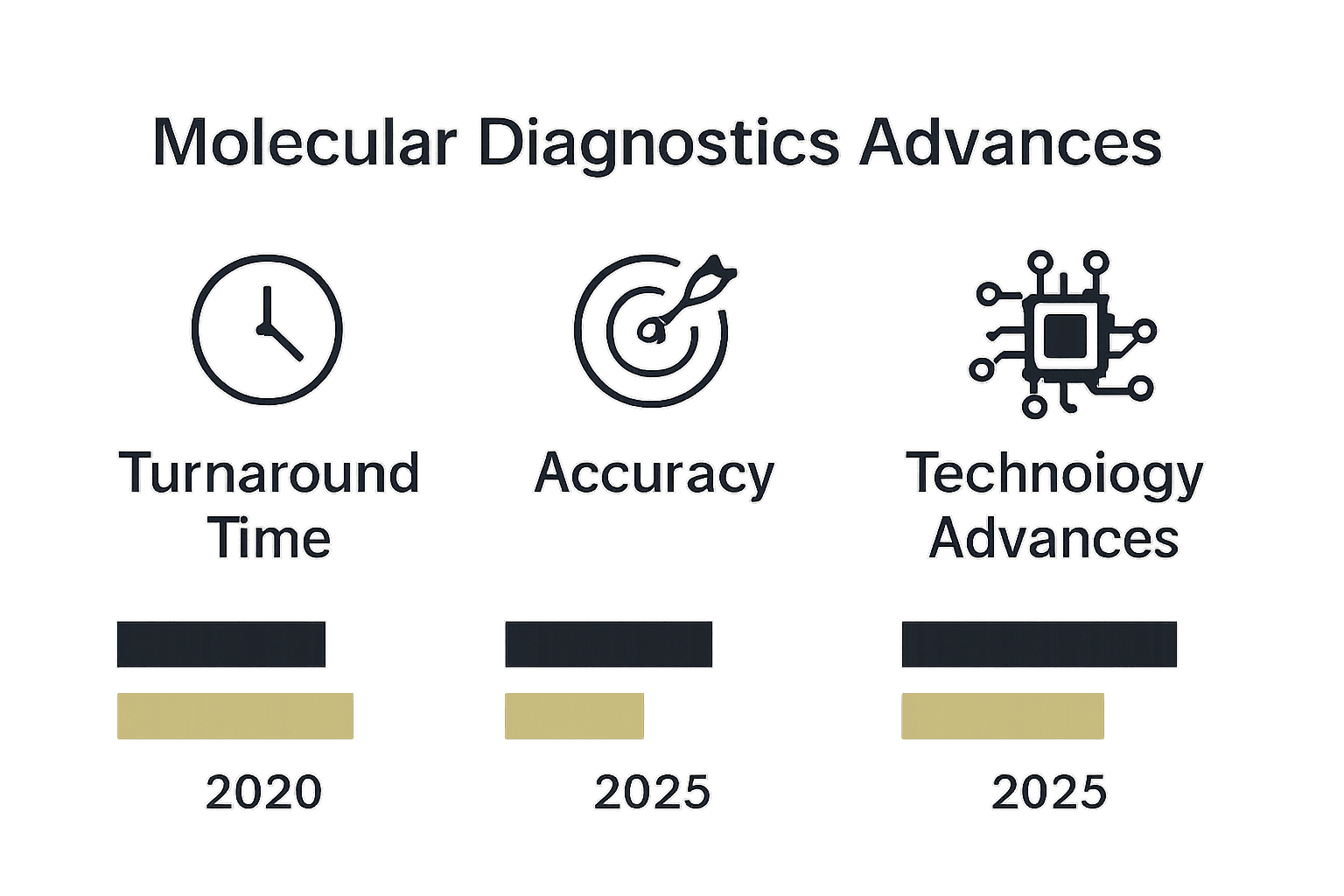
- Turnaround Time, Accuracy, and Technology Advances
- Financial, Regulatory, and Practical Considerations
Key Takeaways
| Point | Details |
|---|---|
| Evolving Technologies | Molecular diagnostics technologies are becoming more sophisticated, enabling more precise disease detection and personalized treatment strategies. |
| Rapid Turnaround | Advances in molecular testing are substantially reducing turnaround times, allowing for quicker clinical decision-making. |
| Regulatory Challenges | Successful implementation of molecular diagnostics requires navigating complex financial and regulatory landscapes, necessitating strategic planning. |
| Patient-Centric Care | These diagnostic methods enhance patient care by enabling early intervention and tailored medical approaches based on genetic profiles. |
Defining Molecular Diagnostics for 2025
Molecular diagnostics represents a groundbreaking approach to medical testing that enables healthcare professionals to detect and analyze specific genetic sequences, proteins, and molecular markers with unprecedented precision. According to the American Society for Microbiology, Advanced Molecular Detection (AMD) technologies are transforming how we understand and respond to complex medical challenges, offering insights far beyond traditional diagnostic methods.
Molecular diagnostics operates at the fundamental biological level, examining DNA, RNA, and proteins to identify genetic variations, infectious agents, and potential disease markers. The Association for Molecular Pathology highlights that next-generation sequencing techniques are becoming increasingly critical in clinical laboratory operations, allowing medical professionals to uncover nuanced genetic information with remarkable accuracy.
Key components of molecular diagnostics in 2025 include:
- Genetic Sequencing: Comprehensive mapping of genetic variations
- Pathogen Detection: Rapid identification of infectious agents
- Personalized Medicine: Tailoring treatments based on individual genetic profiles
- Predictive Healthcare: Identifying potential disease risks before symptoms emerge
The landscape of molecular diagnostics continues to evolve, with technologies becoming more sophisticated, cost-effective, and accessible.
 As healthcare moves toward more personalized and preventative approaches, these molecular techniques will play an increasingly pivotal role in understanding human health at its most fundamental level.
Major Types of Molecular Diagnostic Tests
Molecular diagnostic testing has evolved into a sophisticated array of technologies designed to detect and analyze complex biological markers with unprecedented precision. MedTech Europe highlights that modern molecular diagnostics encompasses several critical test types, each serving unique medical investigation purposes.
Nucleic Acid Amplification Tests (NAATs) represent a foundational molecular diagnostic approach. These tests enable healthcare professionals to detect minute quantities of genetic material, amplifying specific DNA or RNA sequences to identify pathogens, genetic mutations, and infectious agents. By creating millions of copies of target genetic material, NAATs provide extraordinary sensitivity in detecting even trace molecular evidence.
Key types of molecular diagnostic tests include:
- Polymerase Chain Reaction (PCR) Tests: Rapidly detecting genetic sequences
- Genetic Sequencing Tests: Comprehensive mapping of genetic variations
- Fluorescence In-Situ Hybridization (FISH): Identifying chromosomal abnormalities
- Microarray Analysis: Screening multiple genetic markers simultaneously
- Next-Generation Sequencing (NGS): Advanced comprehensive genetic profiling
These molecular diagnostic technologies continue to revolutionize medical testing, offering healthcare providers increasingly nuanced tools for disease detection, genetic screening, and personalized treatment strategies.
As technological capabilities expand, molecular diagnostics will become even more precise, efficient, and integral to modern healthcare approaches.
How Molecular Diagnostics Transforms Patient Care
Molecular diagnostics represents a revolutionary approach to patient care, fundamentally changing how healthcare professionals detect, monitor, and treat medical conditions. According to research from the National Center for Biotechnology Information, these advanced diagnostic techniques provide unprecedented insights into disease mechanisms, enabling more precise and personalized medical interventions.
Precision medicine emerges as a critical benefit of molecular diagnostics. Pubmed Central highlights how these techniques allow healthcare providers to detect pathogens with extraordinary sensitivity, quantify viral loads, and identify genetic mutations associated with specific diseases. This level of detailed genetic information empowers doctors to develop targeted treatment strategies that were impossible just a decade ago.
Key transformative aspects of molecular diagnostics include:
- Rapid Disease Detection: Identifying pathogens within hours instead of days
- Genetic Risk Assessment: Predicting potential health risks before symptoms emerge
- Treatment Personalization: Tailoring medical interventions to individual genetic profiles
- Infectious Disease Management: Tracking viral mutations and antibiotic resistance
- Early Intervention: Detecting subtle molecular changes before clinical symptoms appear
By providing a deep molecular understanding of individual patient health, these diagnostic technologies are reshaping healthcare from a reactive to a proactive model. Healthcare providers can now anticipate and address potential health challenges with unprecedented precision, ultimately improving patient outcomes and transforming the entire approach to medical diagnosis and treatment.
Turnaround Time, Accuracy, and Technology Advances
Molecular diagnostic technologies are experiencing rapid transformations in speed, precision, and technological capabilities. Future Virology research demonstrates significant improvements in molecular testing, particularly highlighting advances that dramatically reduce diagnostic turnaround times while simultaneously enhancing testing accuracy.
Technological innovation has been the primary driver of these remarkable improvements. According to Analytical and Bioanalytical Chemistry, modern molecular diagnostic platforms now offer unprecedented levels of sensitivity and specificity, with some technologies capable of delivering results in mere hours compared to traditional testing methods that previously required days or even weeks.
Key technological advances in molecular diagnostics include:
- Automated Sample Processing: Reducing human error and increasing efficiency
- Miniaturized Testing Platforms: Enabling faster and more compact diagnostic systems
- Advanced Genetic Sequencing: Providing more comprehensive and precise genetic insights
- Machine Learning Integration: Enhancing diagnostic pattern recognition
- Cloud-Based Data Analysis: Enabling rapid information sharing and collaborative research
These technological breakthroughs are not just incremental improvements but represent a fundamental shift in diagnostic capabilities. By combining rapid turnaround times with extraordinary accuracy, molecular diagnostic technologies are setting new standards in medical testing, offering healthcare providers tools that were unimaginable just a few years ago.
Financial, Regulatory, and Practical Considerations
Molecular diagnostic technologies are increasingly intersecting with complex financial, regulatory, and implementation challenges that require sophisticated strategic planning. Journal of Molecular Diagnostics research illuminates the intricate landscape of coding, coverage, and reimbursement mechanisms that healthcare providers must navigate when integrating these advanced diagnostic technologies.
Regulatory compliance represents a critical consideration in molecular diagnostics deployment. According to research in Precision Medicine, healthcare organizations must carefully balance technological innovation with stringent regulatory requirements, ensuring that molecular diagnostic approaches meet comprehensive clinical validation standards while maintaining cost-effectiveness.
Key financial and regulatory considerations include:
- Reimbursement Complexity: Understanding evolving insurance and Medicare coverage models
- Regulatory Approval Processes: Navigating FDA and clinical validation requirements
- Cost-Benefit Analysis: Evaluating long-term economic impacts of molecular diagnostics
- Compliance Documentation: Maintaining rigorous record-keeping and quality control
- Technology Investment: Strategically planning for equipment and training expenses
Successful implementation of molecular diagnostics demands a holistic approach that integrates technological capabilities, financial constraints, and regulatory compliance. Healthcare providers must develop comprehensive strategies that balance innovative potential with practical limitations, ensuring both clinical effectiveness and economic sustainability.
Empower Your Healthcare Decisions with Advanced Molecular Diagnostics
The future of medicine is here and molecular diagnostics is leading the way in 2025. This powerful technology provides rapid disease detection, personalized treatment plans, and predictive health insights that can transform patient outcomes. At the heart of these innovations lie key challenges such as turnaround time, accuracy, and navigating complex regulatory landscapes. If you are seeking reliable solutions that address these critical needs with precision and speed, Centra Diagnostics stands ready to support your journey.
Centra Diagnostics in Los Angeles pioneers advanced molecular testing services designed to meet the demands outlined in the article. With first-in-class turnaround times, cutting-edge genetic sequencing, and a dedicated client management team, Centra ensures that both healthcare providers and patients receive timely and accurate results. By choosing Centra Diagnostics, you gain access to comprehensive molecular tests, including the latest in pathogen detection, genetic risk assessment, and personalized medicine applications.
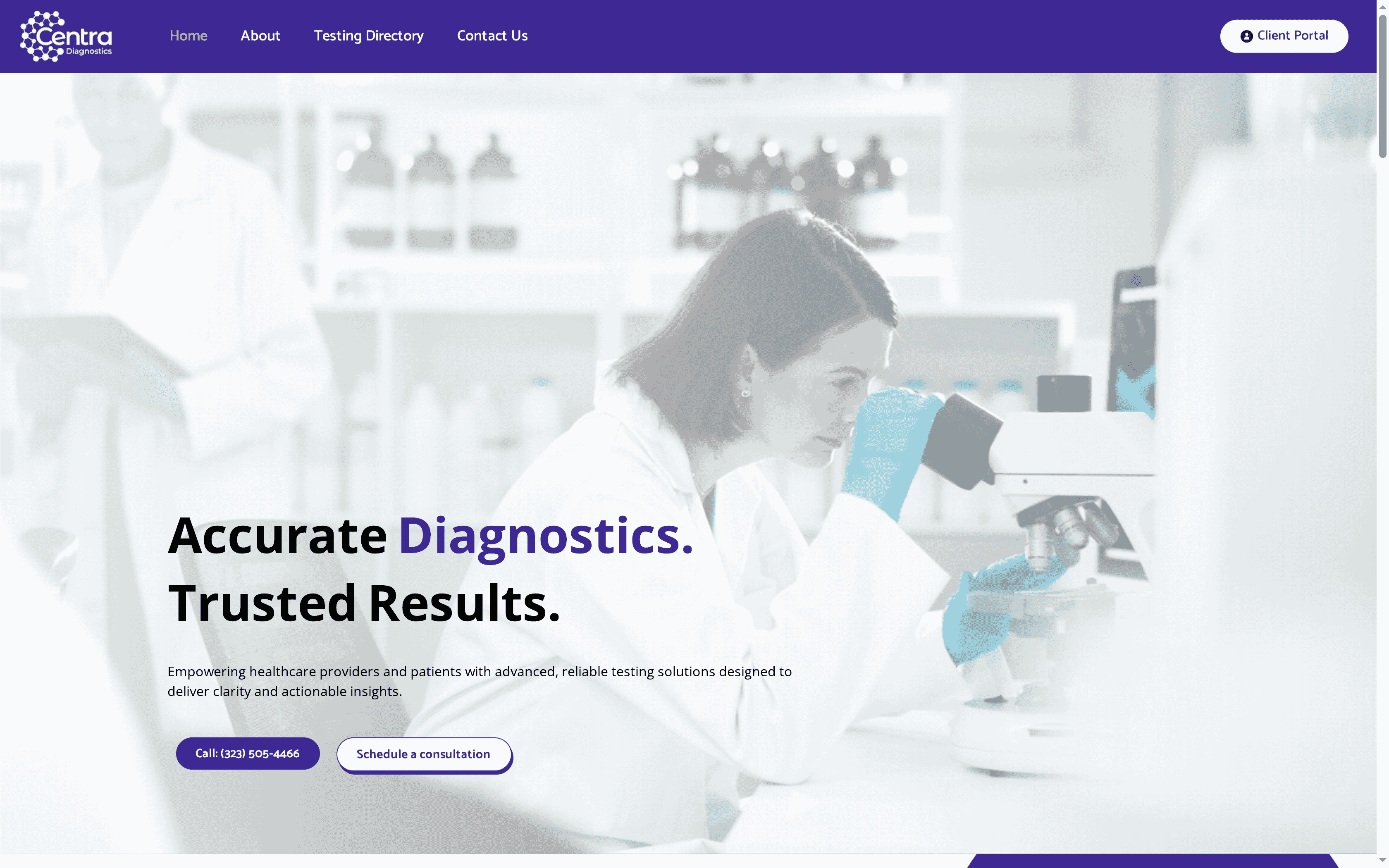
Explore how Centra’s innovative molecular testing can give you a competitive edge in patient care and healthcare decision-making. Act now to experience the benefits of faster results, advanced technology, and expert support. Visit Centra Diagnostics today and take the next step toward transforming your diagnostic capabilities.
Frequently Asked Questions
What are the main types of molecular diagnostic tests available in 2025?
Molecular diagnostic tests in 2025 include Nucleic Acid Amplification Tests (NAATs), Polymerase Chain Reaction (PCR) tests, Genetic Sequencing tests, Fluorescence In-Situ Hybridization (FISH), Microarray Analysis, and Next-Generation Sequencing (NGS). Each type serves unique purposes in detecting and analyzing genetic material and pathogens.
How does molecular diagnostics improve personalized medicine?
Molecular diagnostics enhances personalized medicine by allowing healthcare providers to analyze genetic variations and mutations specific to each patient. This information enables tailored treatment strategies that align with individual genetic profiles, improving the efficacy and outcomes of medical interventions.
What role does technological advancement play in molecular diagnostics?
Technological advancements dramatically improve molecular diagnostics by enhancing speed, accuracy, and efficiency. Innovations such as automated sample processing, miniaturized testing platforms, and machine learning integration lead to faster results and improved diagnostic capabilities.
What are the financial and regulatory challenges of integrating molecular diagnostics?
Integrating molecular diagnostics involves navigating complex financial and regulatory challenges, including reimbursement complexity, regulatory approval processes, compliance documentation, and cost-benefit analysis. Healthcare providers must balance innovation with regulatory requirements to ensure clinical effectiveness and sustainability.
Recommended
- 7 Key Benefits of Molecular Diagnostics for Healthcare Providers | Centra Diagnostics
- Molecular Diagnostics: Complete Guide to Growing Demand | Centra Diagnostics
- What Is Molecular Toxicology Testing? Complete Overview | Centra Diagnostics
- 7 Key Examples of Healthcare Diagnostics Every Clinic Needs | Centra Diagnostics