Did you know that over 70 percent of medical decisions now rely on laboratory diagnostics? Modern medicine increasingly turns to molecular diagnostics to detect diseases sooner and match treatments to each patient’s genetic profile. This powerful approach unveils hidden risks and tailors care on a level never seen before, offering breakthroughs in early detection, personalized medicine, and smarter healthcare decisions that truly impact lives.
Table of Contents
- Defining Molecular Diagnostics and Its Role
- Key Technologies and Testing Methods
- Driving Forces Behind Rapid Industry Growth
- Impact on Healthcare Delivery and Outcomes
- Cost Considerations and Accessibility Challenges
Key Takeaways
| Point | Details |
| Advancements in Detection | Molecular diagnostics enable early and precise detection of diseases at the molecular level, transforming patient care. |
| Personalized Treatment Plans | The technology supports the development of personalized medicine, tailoring treatments based on individual genetic profiles. |
| Industry Growth Factors | Key drivers include technological innovations, demand for personalized medicine, and decreasing costs of genetic sequencing. |
| Accessibility Issues | Despite its potential, high costs and infrastructure demands limit access to advanced molecular diagnostics, especially in smaller healthcare settings. |
Defining Molecular Diagnostics and Its Role
Molecular diagnostics represents a sophisticated medical approach that enables precise detection and analysis of diseases at the molecular level. According to the National Cancer Institute, this advanced laboratory method involves studying molecules like DNA, RNA, and proteins within tissue or fluid samples to identify diseases, assess genetic risks, plan targeted treatments, monitor disease recurrence, and evaluate treatment effectiveness.
Molecular diagnostics, also known as molecular pathology, provides healthcare professionals with an unprecedented level of insight into a patient’s genetic profile. By analyzing DNA or RNA sequences, medical experts can detect disease-related mutations with remarkable precision.
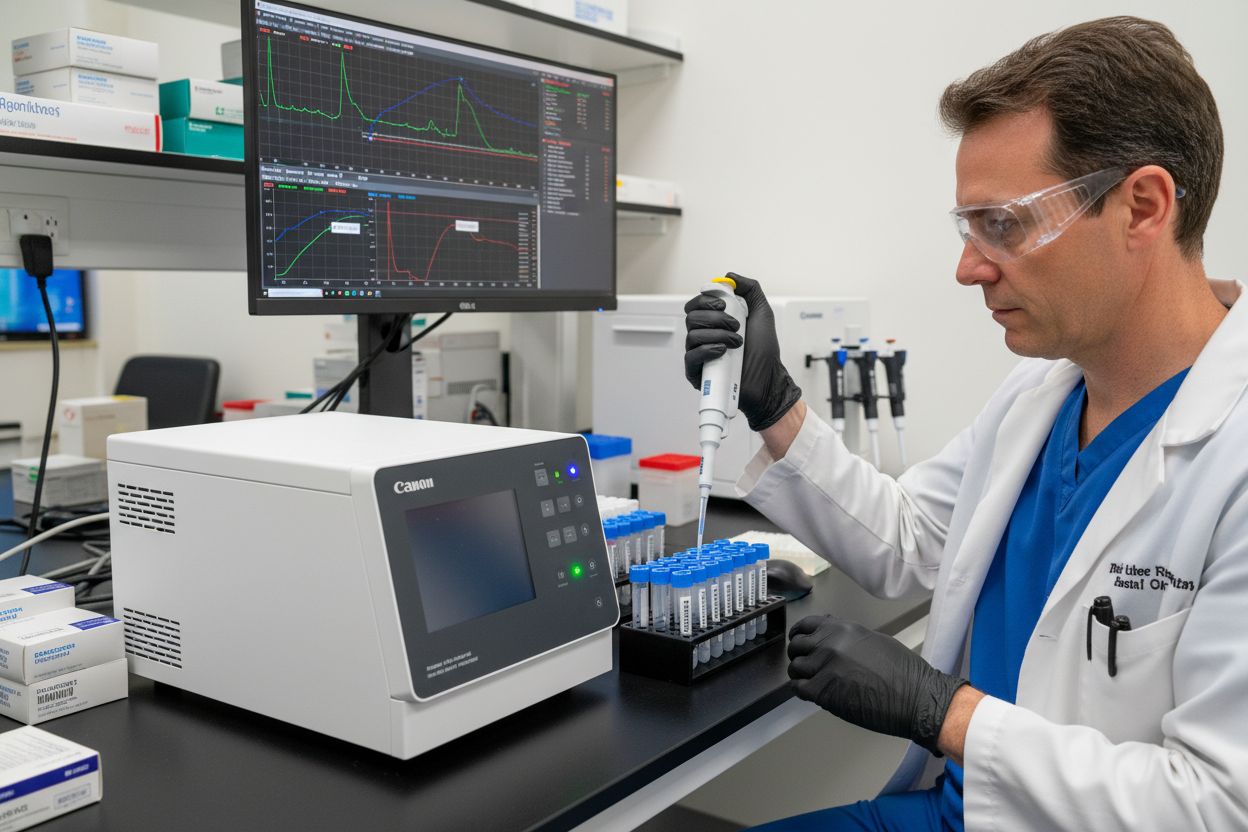 This capability allows for early disease detection and the development of personalized treatment plans tailored to an individual’s unique genetic makeup.
Key features of molecular diagnostics include:
- Highly accurate identification of genetic variations
- Ability to detect diseases before traditional symptoms emerge
- Potential for creating personalized treatment strategies
- Advanced screening for inherited genetic conditions
- Enhanced understanding of disease progression and risk factors
As medical technology continues to advance, our testing technology plays a crucial role in delivering these cutting-edge diagnostic insights. By leveraging molecular diagnostic techniques, healthcare providers can make more informed decisions, ultimately improving patient outcomes and transforming the landscape of modern medical care.
Key Technologies and Testing Methods
Molecular diagnostic technologies represent a complex array of advanced scientific methods designed to detect and analyze genetic material with unprecedented precision. According to research published in molecular pathology journals, these techniques encompass several key methodologies that enable comprehensive disease identification and monitoring.
One primary technology is Nucleic Acid Amplification (NAA), which includes multiple sophisticated approaches. As documented in recent research from the National Institutes of Health, these techniques include Polymerase Chain Reaction (PCR), real-time PCR, and isothermal amplification methods. Each technique offers unique advantages in detecting pathogens, with varying levels of sensitivity and specificity that allow medical professionals to identify genetic variations with remarkable accuracy.
Key molecular diagnostic technologies include:
Here’s a comparison of key molecular diagnostic technologies:
| Technology | Main Strengths | Common Applications |
| PCR & Real-Time PCR | High sensitivity Speed | Infection detection Genetic mutation analysis |
| Gene Chip Technology | Multiplex detection Efficiency | Pathogen screening Pharmacogenomics |
| Nucleic Acid Hybridization | Sequence specificity Flexibility | Mutation identification Viral load testing |
| Microarray Analysis | Broad screening Data richness | Cancer genetics Complex disease profiling |
- Polymerase Chain Reaction (PCR): Enables rapid DNA replication and detection
- Gene Chip Technology: Allows simultaneous detection of multiple pathogens
- Nucleic Acid Hybridization: Identifies specific genetic sequences
- Microarray Analysis: Enables comprehensive genetic screening
- Real-Time PCR: Provides quantitative genetic material analysis
Our testing process leverages these cutting-edge technologies to deliver precise diagnostic insights. Gene chip technology, in particular, represents a breakthrough in molecular diagnostics.
Research indicates these advanced platforms can utilize both solid-phase and liquid-phase chips to detect multiple pathogens simultaneously, providing rapid and comprehensive diagnostic information that transforms medical decision-making.
Driving Forces Behind Rapid Industry Growth
The molecular diagnostics industry has experienced exponential growth, driven by groundbreaking scientific advancements and a paradigm shift in medical understanding. The Human Genome Project stands as a pivotal milestone, fundamentally transforming our approach to disease detection and treatment. According to research published in molecular biology journals, this landmark scientific initiative has dramatically expanded our capacity to understand genetic mechanisms and develop targeted diagnostic strategies.
Technological innovation continues to be a primary catalyst for industry expansion. Emerging technologies enable increasingly precise genetic analysis, allowing healthcare professionals to detect diseases at much earlier stages and develop personalized treatment protocols. These advancements have created a powerful intersection between genetic research and clinical practice, making molecular diagnostics an essential component of modern medical care.
Key driving forces behind molecular diagnostics growth include:
- Unprecedented genetic mapping capabilities
- Increasing demand for personalized medicine
- Rapid technological developments
- Falling costs of genetic sequencing
- Growing understanding of complex genetic interactions
Our testing technology represents the cutting edge of these transformative diagnostic approaches. The ongoing revolution in molecular diagnostics promises to continue reshaping healthcare, offering unprecedented insights into disease prevention, diagnosis, and treatment strategies that were unimaginable just a few decades ago.
Impact on Healthcare Delivery and Outcomes
Molecular diagnostics is revolutionizing healthcare delivery by transforming traditional diagnostic and treatment approaches. According to research from Yale Medicine, this advanced technology enables unprecedented early disease detection and personalized treatment strategies that fundamentally reshape patient care. By analyzing individual genetic profiles, healthcare providers can now develop targeted interventions that were previously impossible.
The profound impact extends beyond traditional diagnostic methods. Precision medicine has emerged as a game-changing approach, allowing medical professionals to customize treatment plans based on a patient’s unique genetic makeup. This means treatments can be more effective, with reduced side effects and improved patient outcomes. Molecular diagnostics provides insights that enable healthcare providers to predict disease risks, detect conditions at their earliest stages, and develop proactive prevention strategies.
Key transformative impacts include:
- Earlier disease detection and intervention
- Personalized treatment plans
- Reduced healthcare costs through targeted therapies
- Enhanced understanding of genetic disease mechanisms
- More accurate prognostic assessments
Our testing process demonstrates how molecular diagnostics translates complex genetic information into actionable medical insights. By bridging advanced scientific research with clinical practice, this technology is not just improving individual patient outcomes but fundamentally reimagining the future of healthcare delivery, making precise, personalized medical care a tangible reality for patients worldwide.
Cost Considerations and Accessibility Challenges
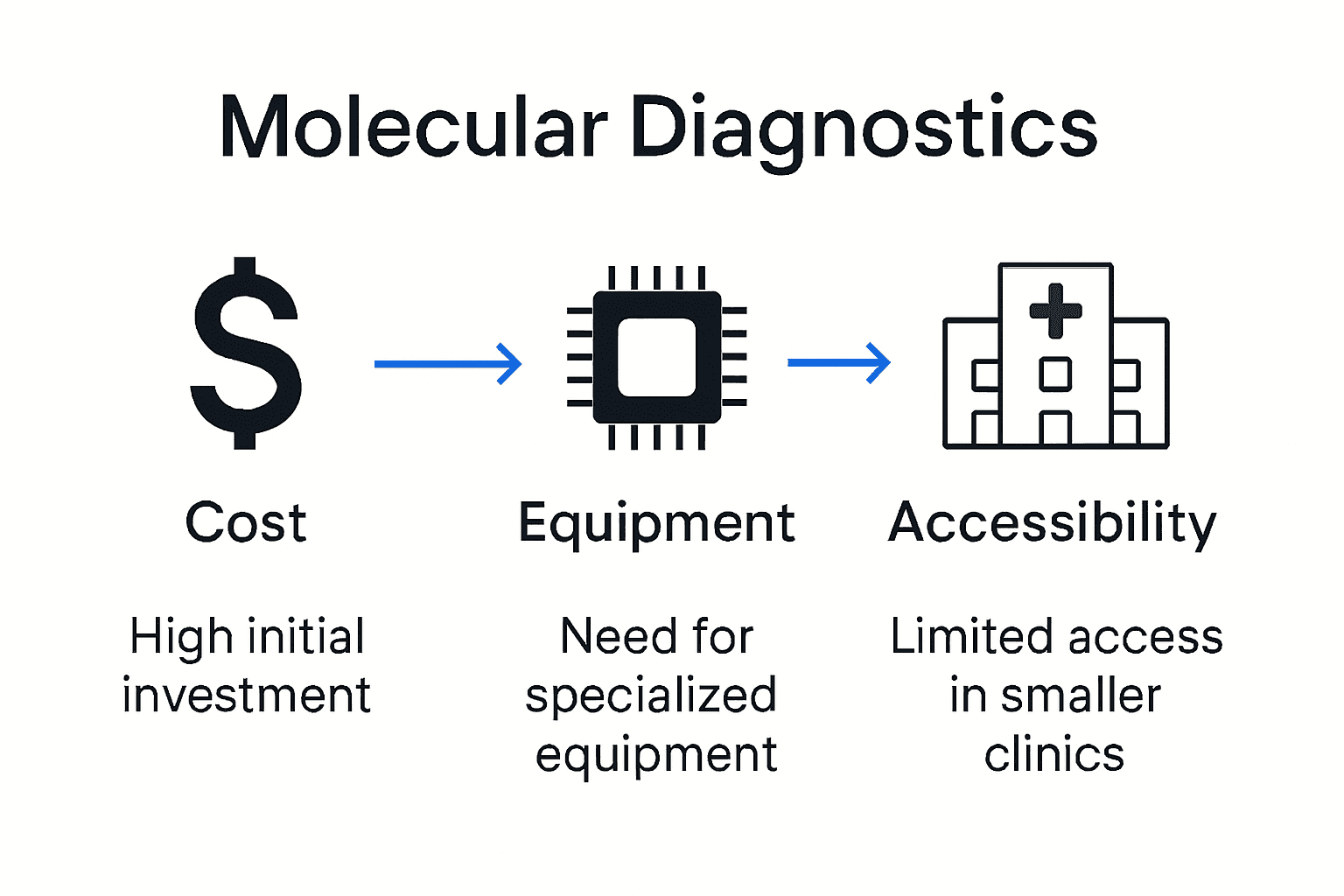
Molecular diagnostics presents a complex landscape of technological promise and economic challenges. Research indicates that while these advanced diagnostic techniques offer unprecedented medical insights, they also come with significant financial barriers that can limit widespread adoption. According to studies in medical technology journals, the implementation of molecular diagnostic technologies requires substantial investment in specialized infrastructure and highly trained personnel.
The economic challenges are multifaceted. Advanced molecular techniques like real-time PCR are particularly expensive, making them challenging for smaller clinical laboratories to implement independently. Many smaller healthcare facilities must rely on national reference labs to conduct these sophisticated tests, which can create delays in diagnosis and increase overall healthcare costs. This economic barrier potentially creates a diagnostic divide between well-resourced and under-resourced healthcare systems.
Key cost and accessibility challenges include:
- High initial technology investment
- Specialized equipment requirements
- Need for highly trained technical personnel
- Limited accessibility in smaller healthcare settings
- Complex infrastructure demands
Our testing process demonstrates a commitment to making advanced molecular diagnostics more accessible and cost-effective. By developing streamlined testing protocols and investing in efficient technologies, diagnostic providers can help bridge the economic gaps that currently challenge widespread molecular diagnostic implementation. The future of healthcare depends on making these transformative technologies more affordable and available to diverse medical settings.
Unlock the Power of Molecular Diagnostics with Centra Diagnostics
The growing demand for molecular diagnostics highlights the urgent need for highly precise, early disease detection and personalized treatment solutions. Many healthcare providers face challenges such as costly technology investments and limited access to advanced molecular testing. At Centra Diagnostics, we understand these obstacles and are committed to bridging the gap by offering cutting-edge molecular testing with fast turnaround times and dedicated client support. We bring clarity to complex genetic information so you can make confident, life-changing healthcare decisions.
Experience how our advanced technologies and streamlined testing process help overcome accessibility and cost barriers common in molecular pathology. Whether you are a healthcare professional or patient, our innovative services at Centra Diagnostics provide reliable, actionable insights tailored to your unique needs. Take control of health outcomes today by partnering with a lab that prioritizes accuracy, speed, and personalized service. Explore our technology and start transforming diagnostics now.
Frequently Asked Questions
What is molecular diagnostics?
Molecular diagnostics is a sophisticated medical approach that involves detecting and analyzing diseases at the molecular level by studying molecules like DNA, RNA, and proteins within tissue or fluid samples.
How does molecular diagnostics improve patient care?
Molecular diagnostics enhances patient care by enabling early disease detection, allowing for personalized treatment plans tailored to an individual’s genetic makeup, and improving understanding of disease mechanisms.
What technologies are commonly used in molecular diagnostics?
Common technologies include Polymerase Chain Reaction (PCR), Gene Chip Technology, Nucleic Acid Hybridization, and Microarray Analysis, each offering unique advantages for detecting and analyzing genetic material.
What are the challenges associated with the cost of molecular diagnostics?
Challenges include high initial investments needed for technology and specialized equipment, demands for highly trained personnel, and limited accessibility in smaller healthcare settings, which can create disparities in diagnostic capabilities.