More than 90 percent of american hospitals now rely on advanced diagnostic technologies to guide critical healthcare decisions. This rapid shift is transforming the way medical professionals detect and understand diseases, leading to faster, more accurate treatments. For patients and providers alike, staying informed about diagnostic breakthroughs can shape health outcomes in powerful ways by making early detection and personalized care more accessible than ever.
Table of Contents
- Understanding Technology in Healthcare Diagnostics
- Types of Diagnostic Technologies in Medicine
- How Advanced Tools Improve Patient Outcomes
- Clinical Applications: Molecular, Blood, and Toxicology Testing
- Ensuring Accuracy, Security, and Data Compliance
Key Takeaways
| Point | Details |
|---|---|
| Technological Transformation in Diagnostics | Healthcare diagnostics have improved significantly due to advanced medical imaging technologies, enhancing precision in disease detection and treatment. |
| Variety of Diagnostic Technologies | Key technologies include MRI, CT scans, ultrasound, and molecular diagnostics, each providing unique insights into patient health without invasive procedures. |
| Impact on Patient Outcomes | Advanced diagnostic tools enable earlier disease detection, personalized treatment planning, and reduced risks from invasive procedures, ultimately improving patient care. |
| Data Integrity and Security | Maintaining accuracy, security, and regulatory compliance in diagnostics is critical for effective patient care and trust in medical systems. |
Understanding Technology in Healthcare Diagnostics
Healthcare diagnostics have undergone a remarkable technological transformation, enabling medical professionals to detect, diagnose, and treat conditions with unprecedented precision. Medical imaging technologies now play a critical role in establishing diagnoses across numerous medical fields, significantly enhancing clinicians’ ability to understand patient health NCBI.
Advanced diagnostic technologies encompass a wide range of tools and techniques designed to provide comprehensive insights into patient health. These technologies include sophisticated imaging systems like magnetic resonance imaging (MRI), computed tomography (CT) scans, ultrasound, and molecular diagnostic platforms. Each technology offers unique capabilities that allow healthcare providers to examine internal body structures, detect abnormalities, and understand complex medical conditions without invasive procedures.
Physicians now utilize an extensive array of diagnostic procedures and tests to identify diseases across multiple medical specialties. According to the National Institute of Diabetes and Digestive and Kidney Diseases, these diagnostic technologies cover a broad spectrum of conditions, including but not limited to:
- Diabetes screening
- Digestive system disorders
- Kidney disease detection
- Cardiovascular health assessments
- Neurological condition evaluations
The integration of cutting-edge technologies has revolutionized healthcare diagnostics, transforming how medical professionals approach patient care. By providing detailed, accurate, and rapid diagnostic information, these technologies enable more personalized treatment strategies, early disease detection, and improved patient outcomes. Complete Guide to Diagnostic Labs offers deeper insights into how modern diagnostic technologies are reshaping medical practice and patient care.
Types of Diagnostic Technologies in Medicine
Medical imaging technologies have revolutionized modern healthcare diagnostics, providing physicians with powerful tools to explore and understand the human body. NCBI highlights several key diagnostic technologies that enable detailed visualization of internal body structures and physiological processes, including X-ray, CT, MRI, ultrasound, and molecular imaging techniques.
These diagnostic technologies can be categorized into several primary types, each offering unique capabilities for medical assessment. Radiological imaging technologies like X-ray and computed tomography (CT) scans use ionizing radiation to create detailed cross-sectional images of body structures. In contrast, magnetic resonance imaging (MRI) uses superconducting magnets and radio waves to generate high-resolution images without radiation exposure, making it a safer alternative for repeated examinations American Health University.
Modern diagnostic technologies encompass a wide range of sophisticated tools and techniques:
- Ultrasound Imaging: Uses sound waves to create real-time internal body images
- Molecular Imaging: Provides insights into cellular and molecular processes
- Vascular Interventional Radiography: Enables minimally invasive diagnostic and treatment procedures
- Nuclear Medicine Imaging: Tracks metabolic activities and physiological functions
- Endoscopic Technologies: Allows direct visualization of internal organs and structures
Each diagnostic technology serves a specific purpose, offering medical professionals unprecedented insights into patient health.
Diagnostics Terminology Explained provides additional context for understanding these complex medical technologies, helping patients and healthcare providers navigate the intricate world of modern diagnostic techniques.
How Advanced Tools Improve Patient Outcomes
Advanced diagnostic technologies have transformed patient care by providing unprecedented insights into medical conditions, allowing for more precise and targeted treatment approaches. NCBI highlights how these technological advancements have significantly improved clinicians’ ability to detect, diagnose, and treat conditions while minimizing invasive procedures.
Precision diagnostics represent a critical breakthrough in modern healthcare, enabling medical professionals to identify potential health issues earlier and with greater accuracy. These advanced tools go beyond traditional diagnostic methods, offering comprehensive assessments that can detect subtle changes in body systems long before symptoms become apparent. By providing detailed, non-invasive examinations, these technologies reduce patient discomfort and potential risks associated with more aggressive diagnostic techniques.
The key benefits of advanced diagnostic tools include:
- Early disease detection
- Reduced need for invasive procedures
- More personalized treatment planning
- Minimized patient risk and discomfort
- Enhanced understanding of complex medical conditions
Patient outcomes have dramatically improved through these technological innovations. Imaging and diagnostic technologies now allow healthcare providers to:
- Develop more targeted treatment strategies
- Monitor disease progression with greater precision
- Assess treatment effectiveness in real-time
- Customize medical interventions based on individual patient data
By integrating cutting-edge diagnostic technologies, medical professionals can now provide more proactive, personalized healthcare solutions.
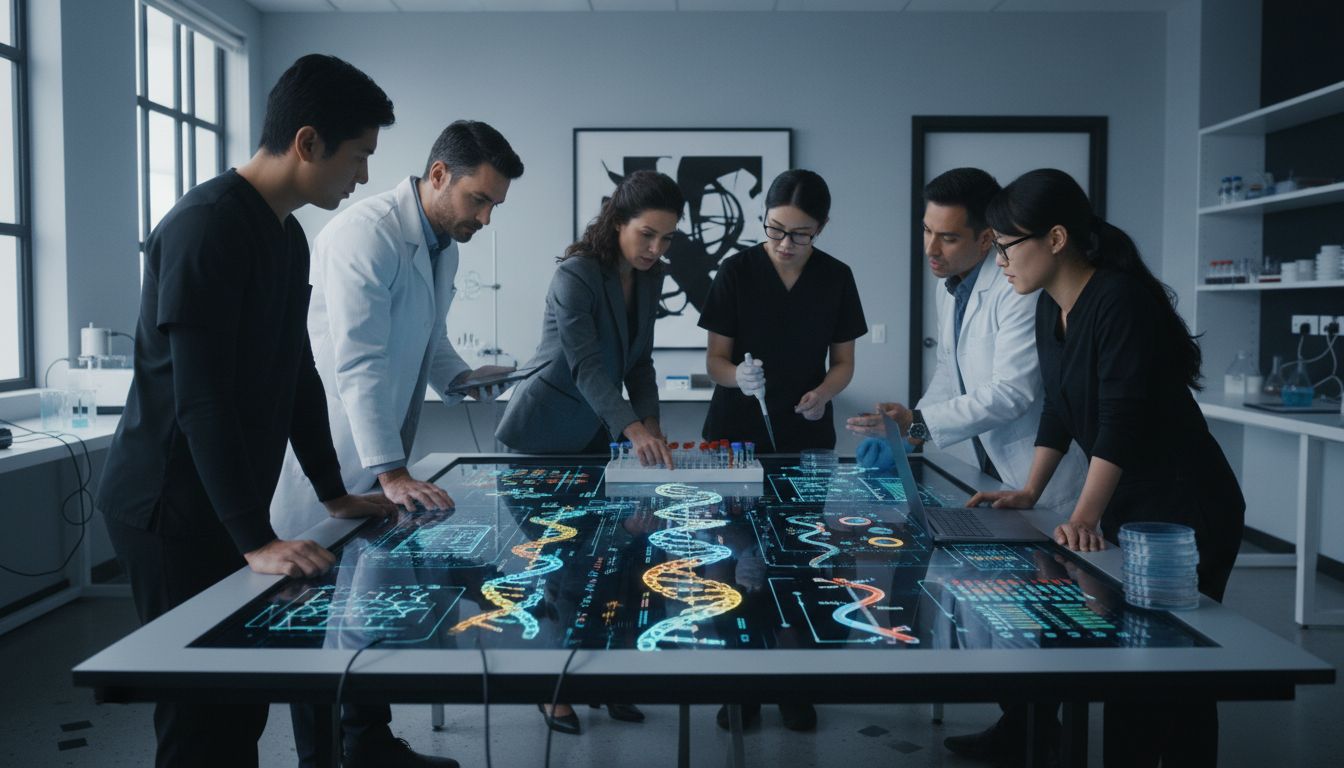 Role of Diagnostics in Patient Care offers additional insights into how these advanced tools are reshaping medical diagnosis and treatment strategies.
Clinical Applications: Molecular, Blood, and Toxicology Testing
Molecular diagnostic techniques have revolutionized medical testing, offering unprecedented capabilities in disease detection and management. PubMed Central highlights how advanced technologies like gene chip platforms enable simultaneous detection of multiple pathogens, providing clinicians with rapid and comprehensive diagnostic information.
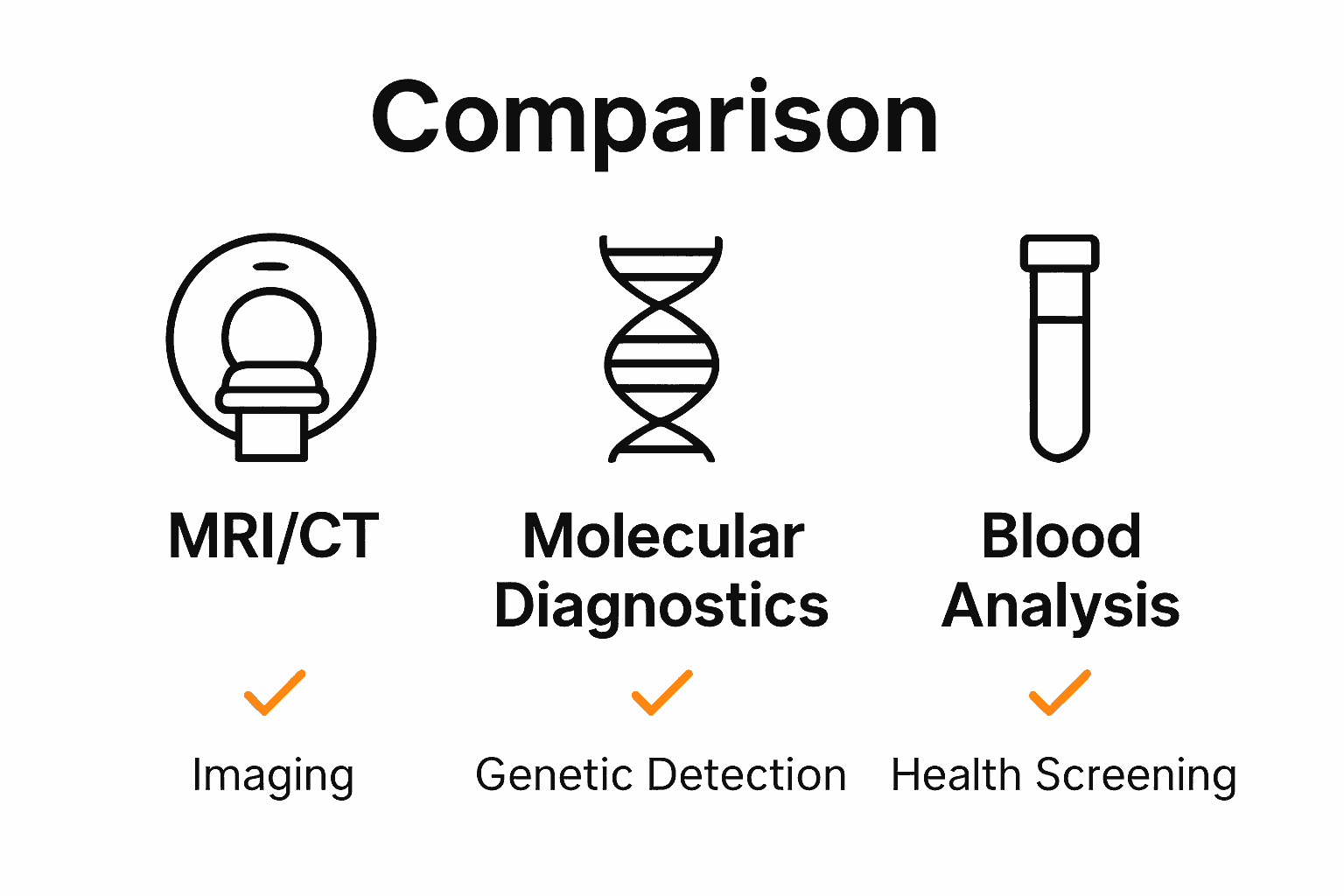
Diagnostic testing encompasses three critical domains: molecular testing, blood analysis, and toxicology screening. Each testing methodology serves unique clinical purposes, allowing healthcare providers to obtain detailed insights into patient health. National Institute of Diabetes and Digestive and Kidney Diseases emphasizes the importance of these diagnostic approaches in identifying, monitoring, and managing various medical conditions.
Key clinical applications of these diagnostic technologies include:
-
Molecular Testing:
- Pathogen identification
- Genetic disorder screening
- Cancer biomarker detection
- Infectious disease diagnosis
-
Blood Work Analysis:
- Diabetes screening (A1C tests)
- Liver function evaluation
- Comprehensive metabolic panels
- Cholesterol and lipid profiling
-
Toxicology Screening:
- Substance abuse detection
- Medication compliance monitoring
- Workplace and legal screening
- Treatment effectiveness assessment
For healthcare professionals seeking deeper insights into these advanced diagnostic methodologies, Molecular Toxicology Testing Guide provides comprehensive information about the intricate world of modern diagnostic technologies and their transformative potential in medical care.
Ensuring Accuracy, Security, and Data Compliance
Data integrity and patient confidentiality are paramount in modern healthcare diagnostics. NCBI emphasizes that diagnostic technologies must adhere to rigorous standards for accuracy, security, and regulatory compliance to ensure effective patient care and maintain trust in medical systems.
The diagnostic process involves multiple complex steps that require meticulous attention to detail. Precision and protection are critical throughout information gathering, integration, and interpretation stages. Healthcare providers must implement comprehensive protocols that safeguard patient data while maintaining the highest standards of diagnostic accuracy. This involves sophisticated technological infrastructure, robust cybersecurity measures, and strict adherence to healthcare privacy regulations.
Key strategies for ensuring diagnostic accuracy and data security include:
-
Technical Protocols:
- Advanced calibration of diagnostic equipment
- Regular maintenance and precision testing
- Continuous technological validation
- Systematic error tracking and correction
-
Data Security Measures:
- Encryption of patient information
- Secure digital storage systems
- Restricted access protocols
- Multi-factor authentication
-
Regulatory Compliance:
- HIPAA standards adherence
- Regular compliance audits
- Comprehensive staff training
- Transparent reporting mechanisms
Healthcare organizations must cultivate a culture of precision and protection. Complete Guide to Toxicology Screens provides additional insights into maintaining the highest standards of diagnostic integrity and patient data management.
Elevate Your Diagnostic Confidence with Advanced Testing Solutions
The article highlights the critical need for precise and rapid healthcare diagnostics using cutting-edge technology. If you face challenges in obtaining timely, accurate molecular testing, blood work, or toxicology screening results, you know how important reliable data is to improve patient outcomes and make informed decisions. The focus on early disease detection, non-invasive testing, and data security aligns exactly with the solutions that Centra Diagnostics provides.
At Centra Diagnostics, we understand that advanced molecular and toxicology testing requires innovation and speed without compromising accuracy. Our Los Angeles lab leverages first-in-class technology and client-focused management to deliver results quickly, helping healthcare providers act decisively. Whether you need comprehensive molecular diagnostics or routine blood panels, we deliver with precision and care. Learn more about how our services support healthcare decision-making in real-time at Centra Diagnostics.
Take control of your diagnostic challenges now
Explore our specialized offerings for molecular and toxicology testing at Molecular Toxicology Testing Guide and discover how we secure accurate, compliant results daily. Partner with Centra Diagnostics to empower your healthcare journey today with reliable and innovative diagnostic solutions.
Frequently Asked Questions
What are the different types of diagnostic technologies available in healthcare?
There are several types of diagnostic technologies, including X-ray, CT scans, MRI, ultrasound, molecular imaging, and blood analysis, each offering unique insights into patient health.
How do advanced diagnostic tools improve patient outcomes?
Advanced diagnostic tools provide early disease detection, minimize the need for invasive procedures, and enable personalized treatment planning, ultimately leading to improved patient care and outcomes.
What is molecular testing and how is it used in diagnostics?
Molecular testing identifies pathogens, screens for genetic disorders, detects cancer biomarkers, and diagnoses infectious diseases, offering rapid and comprehensive insights into patient health.
How can healthcare providers ensure the accuracy and security of diagnostic tests?
Healthcare providers ensure accuracy through rigorous calibration and maintenance of equipment, while data security involves encryption, restricted access, and compliance with healthcare privacy regulations.