Nearly 70 percent of medical decisions rely on results from diagnostic laboratories. These behind-the-scenes facilities shape everything from early disease detection to choosing the right treatment plan. Whether you are a patient seeking answers or a healthcare provider guiding care, understanding the true purpose and capabilities of diagnostic labs makes a difference. Unlock how modern laboratories turn a simple blood sample into life-saving, personalized health insights.
Table of Contents
- Defining The Purpose Of Diagnostic Laboratories
- Types Of Diagnostic Tests And Services Offered
- How Diagnostic Labs Operate And Process Samples
- Technological Innovations In Diagnostic Testing
- Benefits For Healthcare Providers And Patients
- Ensuring Accuracy, Privacy, And Compliance
Key Takeaways
| Point | Details |
|---|---|
| Role of Diagnostic Laboratories | These facilities are essential for transforming biological samples into actionable health insights, enabling informed treatment decisions and disease monitoring. |
| Types of Tests Offered | Diagnostic tests include blood tests, imaging, molecular testing, microbiological tests, and toxicology screenings, each serving unique health insights. |
| Technological Innovations | Advancements such as AI, molecular diagnostics, and genomic sequencing enhance testing accuracy and healthcare management capabilities. |
| Compliance and Quality Assurance | Laboratories prioritize rigorous quality control, standardized protocols, and data privacy to ensure the integrity and reliability of test results. |
Defining the Purpose of Diagnostic Laboratories
Diagnostic laboratories serve as critical healthcare infrastructure where medical professionals transform biological samples into actionable health insights. According to the FDA, laboratory tests are specialized medical devices designed to analyze body samples and help diagnose diseases or health conditions.
These specialized facilities perform multiple crucial functions that extend far beyond simple testing. Medical diagnostic laboratories detect emerging health changes, identify potential disease progression, and provide essential data that enables healthcare providers to make informed treatment decisions. As research from PubMed indicates, diagnostic laboratories play a pivotal role in disease control by:
- Determining precise disease etiology
- Providing consultative and interpretative services
- Conducting comprehensive disease surveillance
- Monitoring ongoing health conditions
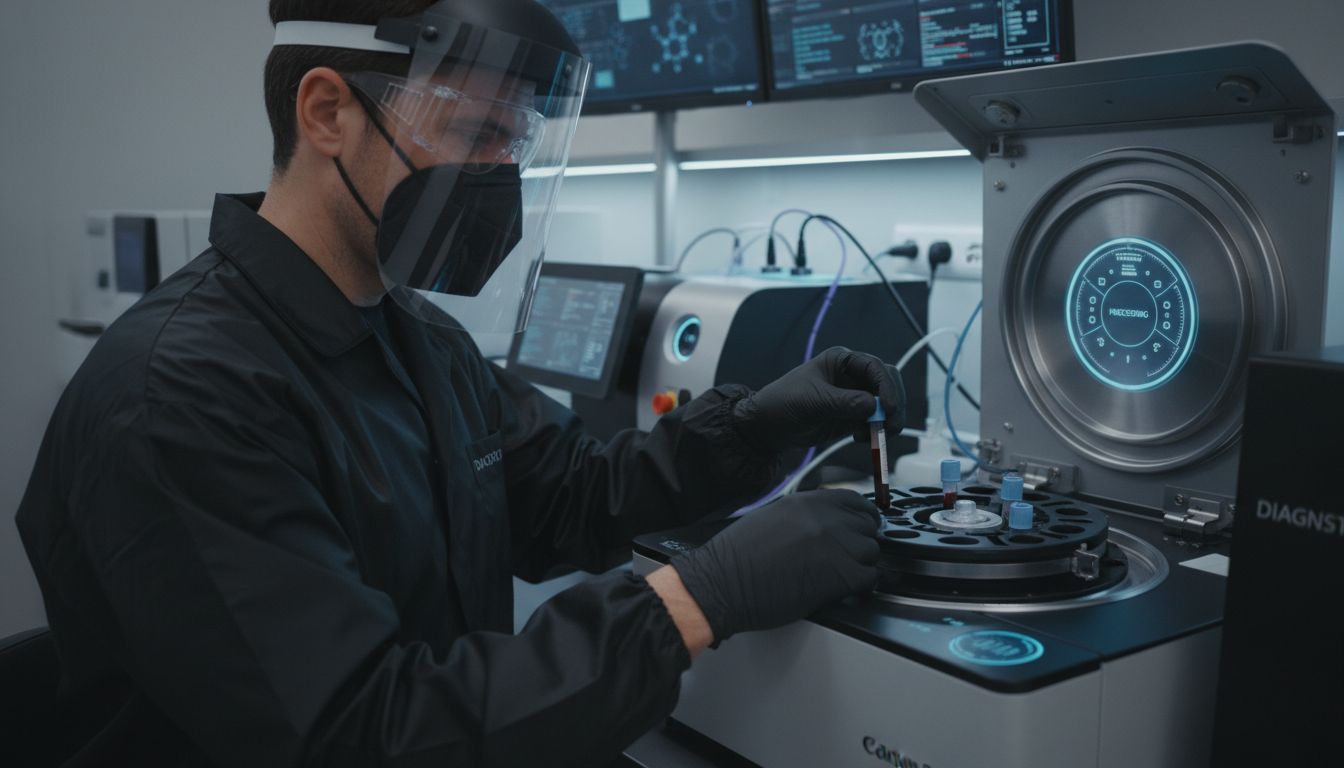
The primary purpose of diagnostic laboratories centers on transforming raw biological data into meaningful medical intelligence. By analyzing blood, urine, tissue, and other biological samples, these facilities generate precise reports that help medical professionals understand complex health dynamics.
 Diagnostics Terminology Explained: Essential Guide for 2024 offers additional insights into the intricate world of medical diagnostics and the sophisticated processes behind advanced testing.
At their core, diagnostic laboratories represent the intersection of advanced technology, scientific expertise, and patient care. They provide the critical evidence needed to develop targeted treatment strategies, track disease progression, and ultimately improve patient outcomes through early detection and comprehensive health monitoring.
Types of Diagnostic Tests and Services Offered
Diagnostic laboratories offer a comprehensive range of testing services designed to provide critical health insights across multiple medical disciplines. According to the NIDDK, physicians utilize various procedures and tests to diagnose diseases and conditions, with each test serving a unique purpose in understanding patient health.
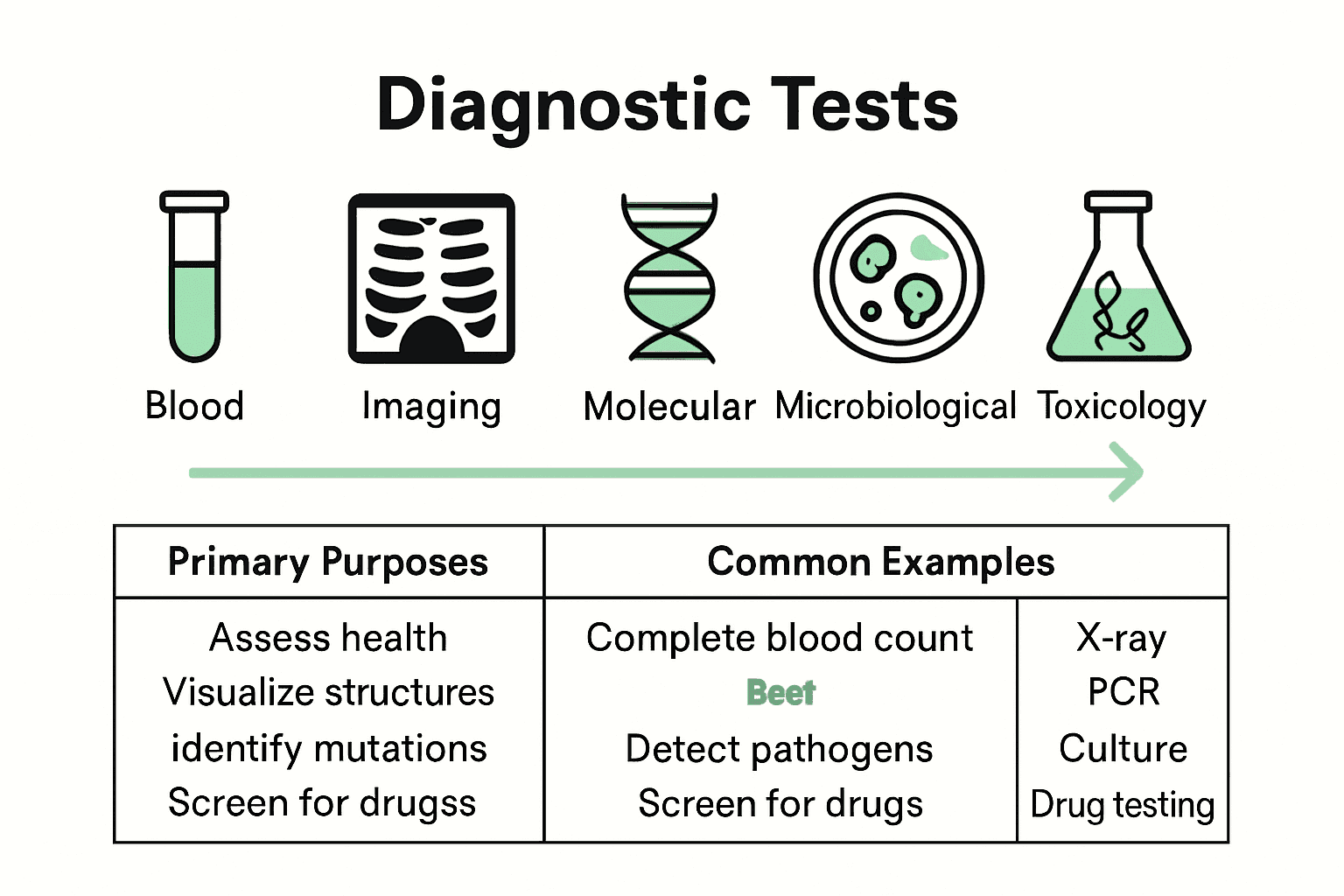
Diagnostic testing services typically encompass several key categories:
Here’s a summary of key types of diagnostic tests and their primary purposes:
| Test Type | Main Purpose | Common Examples |
|---|---|---|
| Blood Tests | Disease markers Nutrient status |
CBC Lipid panel |
| Imaging Tests | Visualization of structures | X-ray MRI CT scan |
| Molecular Testing | Genetic/DNA-based analysis | PCR test BRCA analysis |
| Microbiological Tests | Detect infectious agents | Bacterial culture Serology |
| Toxicology Screenings | Chemical/substance detection | Drug screen Heavy metal test |
- Blood Tests: Comprehensive analysis of blood samples to detect disease markers, nutrient levels, and overall health status
- Imaging Tests: Advanced visualization techniques like X-rays, MRIs, and CT scans
- Molecular Testing: Genetic and DNA-based examinations for detecting specific conditions
- Microbiological Tests: Identifying infectious agents and potential pathogens
- Toxicology Screenings: Detecting chemical substances and potential drug interactions
The CDC’s Infectious Diseases Laboratories highlight the complexity of diagnostic services, emphasizing that each test requires specific specimen handling, precise contact protocols, and carefully managed turnaround times. How to Choose Diagnostic Services for Reliable Testing can help patients and healthcare providers navigate the intricate world of medical diagnostics.
Beyond standard testing, modern diagnostic laboratories increasingly incorporate advanced technologies like genomic sequencing, personalized medicine approaches, and predictive health analytics. These sophisticated services transform raw biological data into actionable medical intelligence, enabling healthcare professionals to develop targeted treatment strategies and proactively manage patient health.
How Diagnostic Labs Operate and Process Samples
The intricate process of sample processing in diagnostic laboratories involves multiple precise steps designed to ensure accurate and reliable results. According to the FDA, after a healthcare professional collects a sample, it is carefully transported to the laboratory where specialized technicians perform comprehensive tests to detect, measure, and analyze various health indicators.
Sample Processing Workflow typically follows a structured sequence:
- Sample Collection: Obtaining biological specimens with strict protocol adherence
- Sample Preparation: Stabilizing and preparing samples for specific testing requirements
- Analysis: Conducting detailed examinations using advanced technological equipment
- Result Interpretation: Comparing findings against established medical benchmarks
- Reporting: Generating comprehensive and precise medical reports
The USGS Diagnostic Microbiology Laboratory demonstrates how sophisticated laboratories utilize multiple identification techniques, including:
- Morphological characteristic evaluation
- Biochemical property analysis
- Molecular assay techniques
- Advanced DNA sequence investigation
For those seeking deeper insights into specialized testing procedures, What Is Blood Work Analysis? Complete Guide Explained provides comprehensive information about the nuanced world of diagnostic testing.
Modern diagnostic laboratories leverage cutting-edge technologies and rigorous scientific protocols to transform raw biological samples into meaningful medical intelligence. By maintaining stringent quality control measures, implementing advanced analytical techniques, and employing highly trained professionals, these facilities play a critical role in modern healthcare diagnostics and patient care management.
Technological Innovations in Diagnostic Testing
The landscape of diagnostic testing is rapidly evolving, driven by groundbreaking technological advancements that are revolutionizing healthcare capabilities. According to the USP Global Public Health, diagnostic testing plays a critical role in detecting and controlling diseases, with ongoing efforts to increase access to quality-assured diagnostic technologies.
Emerging Technological Innovations in diagnostic testing include:
- Artificial Intelligence (AI) Integration: Advanced algorithms for rapid result interpretation
- Molecular Diagnostics: Precise genetic and DNA-based testing techniques
- Point-of-Care Testing: Portable devices enabling immediate diagnostic insights
- Nanotechnology: Microscopic sensors for ultra-sensitive detection
- Genomic Sequencing: Comprehensive genetic profiling technologies
The World Health Organization emphasizes the importance of sophisticated laboratory infrastructure, highlighting how technological innovations are transforming diagnostic capabilities across various healthcare levels. For professionals seeking deeper understanding of these emerging technologies, Molecular Diagnostics: Complete Guide to Growing Demand offers comprehensive insights into the cutting-edge world of diagnostic innovations.
These technological breakthroughs are not just improving testing accuracy but are fundamentally reshaping how healthcare professionals diagnose, monitor, and treat medical conditions. By enabling faster, more precise, and less invasive diagnostic processes, these innovations are creating a new paradigm of personalized and proactive healthcare management.
Benefits for Healthcare Providers and Patients
Diagnostic laboratories provide critical advantages that transform healthcare delivery and patient outcomes. According to the FDA, laboratory tests enable healthcare professionals to identify health changes before symptoms manifest, diagnose diseases accurately, plan targeted treatments, and monitor disease progression with unprecedented precision.
Key Benefits for Healthcare Providers include:
- Early Disease Detection: Identifying potential health issues before they become critical
- Personalized Treatment Planning: Developing targeted interventions based on precise diagnostic insights
- Treatment Effectiveness Monitoring: Tracking patient progress and adjusting strategies accordingly
- Risk Assessment: Understanding individual health vulnerabilities
- Comprehensive Patient Management: Holistic approach to preventative and responsive healthcare
The USP Global Public Health emphasizes that diagnostic testing plays a pivotal role in public health strategy, improving emergency preparedness and enabling policymakers to make informed healthcare decisions. For patients seeking deeper understanding of diagnostic processes, How to Choose Diagnostic Services for Reliable Testing provides valuable guidance on navigating complex medical testing landscapes.
Ultimately, diagnostic laboratories bridge the gap between medical uncertainty and actionable health intelligence. By providing rapid, accurate, and comprehensive testing services, they empower both healthcare providers and patients to make proactive, informed decisions about health management, ultimately improving overall medical outcomes and individual well-being.
Ensuring Accuracy, Privacy, and Compliance
Diagnostic laboratories operate within a complex framework of regulatory requirements and ethical standards designed to protect patient information and maintain testing integrity. According to the FDA, laboratory test results must be carefully interpreted, recognizing that factors such as sex, age, race, medical history, and testing techniques can significantly influence diagnostic outcomes.
Critical Compliance Mechanisms include:
- Rigorous Quality Control: Implementing multiple verification stages
- Standardized Testing Protocols: Ensuring consistent methodology
- Advanced Privacy Protection: Securing patient data through encrypted systems
- Regular Accreditation Reviews: Maintaining highest professional standards
- Comprehensive Documentation: Tracking every stage of diagnostic processes
The USP Global Public Health emphasizes continuous efforts to enhance diagnostic test quality through global laboratory accreditation and supporting manufacturers in producing quality-assured diagnostics. For healthcare professionals seeking guidance on maintaining these high standards, How to Choose Diagnostic Services for Reliable Testing provides comprehensive insights into selecting trustworthy diagnostic partners.
Effective compliance is more than just following rules it’s about creating a culture of precision, transparency, and patient trust. By consistently implementing stringent protocols, leveraging advanced technologies, and maintaining unwavering commitment to ethical standards, diagnostic laboratories ensure that every test result represents the highest level of scientific accuracy and professional integrity.
Advance Your Healthcare Decisions with Reliable Diagnostic Testing
Understanding the vital role diagnostic laboratories play in transforming biological samples into clear, actionable health insights highlights the need for accuracy and speed in testing services. If you value early disease detection, precise molecular testing, and expert result interpretation, Centra Diagnostics is your trusted partner. We address common challenges such as long turnaround times and complex testing procedures by delivering advanced diagnostics including blood work, toxicology, and molecular tests with first-in-class turnaround times through cutting-edge technology and dedicated client management.
Get the confidence you deserve by choosing Centra Diagnostics where innovation meets reliability. Learn more about our comprehensive services at Centra Diagnostics and discover how we can help you improve healthcare outcomes through precise diagnostics. Take control of your health journey today and experience diagnostics designed for your needs by visiting How to Choose Diagnostic Services for Reliable Testing. Reach out now to see how our expert team supports both individual patients and healthcare providers with personalized care and advanced testing capabilities.
Frequently Asked Questions
What are the primary functions of diagnostic laboratories?
Diagnostic laboratories carry out essential functions including disease detection, monitoring health conditions, providing consultative services, and conducting disease surveillance to assist healthcare providers in making informed decisions.
What types of diagnostic tests are commonly performed in laboratories?
Common diagnostic tests include blood tests, imaging tests (like X-rays and MRIs), molecular testing (such as PCR tests), microbiological tests to detect infections, and toxicology screenings for chemicals or substances.
How do diagnostic labs ensure the accuracy of test results?
Diagnostic labs ensure accuracy through rigorous quality control measures, standardized testing protocols, advanced privacy protection, regular accreditation reviews, and meticulous documentation of each stage in the testing process.
What are the benefits of diagnostic testing for patients?
Diagnostic tests provide significant benefits, including early disease detection, personalized treatment planning, monitoring treatment effectiveness, assessing health risks, and facilitating comprehensive patient management.
Recommended
- Diagnostics Terminology Explained: Essential Guide for 2024 | Centra Diagnostics
- What Is Blood Work Analysis? Complete Guide Explained | Centra Diagnostics
- Guide to Ordering Blood Work: Step-by-Step for Professionals | Centra Diagnostics
- 7 Key Tips for Affordable Lab Testing in Los Angeles | Centra Diagnostics