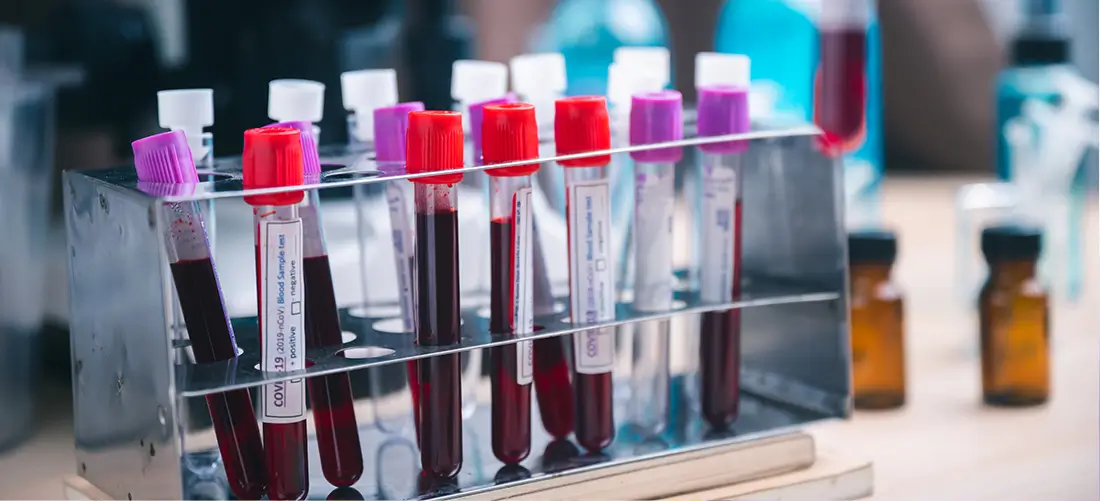
More than 70 percent of medical decisions are influenced by laboratory test results, yet few people realize how much these tests can reveal about their health. Each type of diagnostic test unlocks unique details about organ function, genetic risk, or hidden conditions that would otherwise go unnoticed. Understanding the purpose and benefits of these essential tests empowers you to take control of your health with greater confidence and clarity.
Table of Contents
- 1. Complete Blood Count (CBC) for Overall Health Insights
- 2. Metabolic Panel Tests for Organ and Electrolyte Balance
- 3. Molecular Testing for Accurate Disease Detection
- 4. Toxicology Screening for Drug Monitoring
- 5. COVID-19 Testing for Quick Diagnosis and Safety
- 6. Infectious Disease Panels for Comprehensive Screening
- 7. Specialty Testing for Targeted Patient Needs
Quick Summary
| Takeaway | Explanation |
|---|---|
| 1. CBC tests reveal overall health status | A Complete Blood Count provides crucial data on red and white blood cells, and platelets, helping detect various health conditions. |
| 2. Metabolic panels assess organ function | These tests evaluate key substances related to metabolic health, kidney performance, and liver health for effective disease management. |
| 3. Molecular testing offers precision in diagnosis | By analyzing genetic markers, molecular testing detects diseases early and enables personalized treatment plans tailored to individual patients. |
| 4. Toxicology screenings monitor drug use | These tests identify the presence of drugs and medications, ensuring safe treatment strategies and compliance in patient care. |
| 5. Infectious disease panels enable simultaneous pathogen detection | They screen for multiple infections at once, providing rapid insights that guide effective treatment strategies and reduce diagnostic uncertainty. |
1. Complete Blood Count (CBC) for Overall Health Insights
A Complete Blood Count (CBC) serves as a powerful diagnostic tool that offers an incredible snapshot of your overall health status in a single blood test. According to Mayo Clinic, this comprehensive test evaluates multiple critical blood components to help healthcare providers detect a wide range of potential medical conditions.
A CBC provides detailed insights into three primary blood cell types: red blood cells, white blood cells, and platelets. Each component plays a unique role in your body’s functioning. Red blood cells carry oxygen, white blood cells fight infections, and platelets help with blood clotting.
Healthcare providers rely on CBC results to diagnose and monitor numerous conditions. By measuring key indicators like hemoglobin levels, hematocrit percentage, and cell counts, professionals can identify potential issues such as:
- Anemia
- Infections
- Blood disorders
- Immune system problems
- Potential signs of cancer
For healthcare providers, a CBC test is more than just a routine procedure. It serves as a foundational diagnostic tool that can reveal hidden health challenges before they become serious. Nationwide Children’s Hospital emphasizes that this test helps assess general health status and monitor ongoing medical treatments.
When interpreting CBC results, context is key. Abnormal readings don’t automatically signal a severe problem but indicate areas requiring further investigation. Healthcare professionals will consider the patient’s overall health history, symptoms, and additional diagnostic information to make accurate assessments.
Recommended frequency for CBC tests varies based on individual health factors. Patients with chronic conditions, those undergoing medical treatments, or individuals with specific health risks might require more frequent testing compared to generally healthy individuals.
2. Metabolic Panel Tests for Organ and Electrolyte Balance
A comprehensive metabolic panel represents a sophisticated diagnostic tool that provides an intricate view of your body’s internal chemical landscape. MedlinePlus describes this test as a critical blood examination that reveals crucial information about your metabolic health and organ functioning.
Metabolic panels measure multiple essential substances that offer profound insights into your overall physiological condition. These tests evaluate key bodily systems including blood sugar regulation, electrolyte balance, kidney performance, and liver health. Think of it as a comprehensive health checkup that examines your body’s internal chemistry.
Healthcare providers rely on metabolic panels to assess several critical health parameters:
- Blood glucose levels
- Electrolyte concentrations
- Kidney function markers
- Liver enzyme indicators
- Protein and energy metabolism
The real power of metabolic panel tests lies in their ability to detect potential health issues before they become serious problems. International Association of Providers of AIDS Care highlights that these tests provide important information about the body’s metabolism and can signal underlying health conditions.
For healthcare professionals, metabolic panels serve as a diagnostic cornerstone. They help track chronic conditions, monitor medication effects, and assess overall metabolic health. Patients with diabetes, kidney disorders, or liver diseases particularly benefit from regular metabolic panel screenings.
Interpreting these test results requires professional expertise. Slight variations from standard ranges do not always indicate a severe problem but can signal areas needing further investigation. Healthcare providers will consider your complete medical history, symptoms, and additional diagnostic information to provide accurate assessments.
The recommended frequency of metabolic panel tests varies depending on individual health factors. Individuals with chronic conditions or those taking medications that might impact metabolic functions should discuss appropriate testing schedules with their healthcare providers.
3. Molecular Testing for Accurate Disease Detection
Molecular testing represents a groundbreaking approach to disease detection that goes far beyond traditional diagnostic methods. This advanced technique allows healthcare providers to examine genetic material at the molecular level, uncovering precise insights about potential health conditions with unprecedented accuracy.
Molecular testing analyzes genetic and molecular markers to identify specific diseases, genetic variations, and potential health risks. By examining DNA, RNA, and other microscopic biological components, this testing method provides a deep understanding of an individual’s unique genetic profile.
Healthcare professionals utilize molecular testing for several critical applications:
- Detecting genetic mutations
- Identifying infectious agents
- Screening for inherited disorders
- Assessing cancer risk
- Monitoring treatment effectiveness
The precision of molecular testing sets it apart from conventional diagnostic approaches. Where traditional tests might provide general indicators, molecular testing can pinpoint exact genetic variations that contribute to disease development. Centra Diagnostics guide on molecular diagnostics growth highlights how this technology is transforming healthcare detection and prevention strategies.
One of the most significant advantages of molecular testing is its ability to detect diseases at their earliest stages. By identifying genetic markers and molecular changes before symptoms appear, healthcare providers can implement preventive measures and personalized treatment plans.
For healthcare providers, molecular testing offers a powerful tool for developing targeted treatment strategies. Understanding a patient’s genetic makeup allows for more precise medical interventions, potentially improving patient outcomes and reducing unnecessary treatments.
Patients benefit from molecular testing through more personalized and proactive healthcare approaches. These advanced diagnostic tools enable early intervention, more accurate disease prediction, and tailored medical strategies that consider individual genetic profiles.
4. Toxicology Screening for Drug Monitoring
Toxicology screening represents a critical diagnostic tool that provides healthcare providers with essential insights into an individual’s drug use and potential substance interactions. National Center for Biotechnology Information highlights the importance of these screenings in detecting and monitoring drug use across various clinical settings.
Toxicology tests analyze biological samples to identify the presence of prescription medications, illegal drugs, alcohol, and potential substance interactions. These comprehensive screenings go beyond simple detection, offering crucial information about an individual’s overall health and potential treatment risks.
Healthcare providers utilize toxicology screening for multiple critical purposes:
- Monitoring patient medication compliance
- Detecting potential substance abuse
- Assessing treatment effectiveness
- Identifying potential drug interactions
- Evaluating patient safety during medical treatments
Unlike traditional diagnostic tests, toxicology screenings provide a comprehensive view of an individual’s chemical profile. Centra Diagnostics guide to toxicology screens emphasizes the importance of these tests in developing targeted healthcare strategies.
The versatility of toxicology screening makes it an invaluable tool across multiple healthcare domains. Addiction treatment centers, pain management clinics, emergency medical services, and workplace health programs rely on these tests to make informed decisions about patient care and treatment protocols.
For healthcare providers, toxicology screening offers more than just drug detection. These tests can reveal complex physiological interactions, help identify potential medication misuse, and support personalized treatment planning. By understanding a patient’s complete chemical profile, providers can develop more effective and safer medical interventions.
Patients benefit from toxicology screenings through more targeted and personalized healthcare approaches. These tests enable healthcare providers to make informed decisions that prioritize patient safety, optimize treatment effectiveness, and address potential substance-related health challenges.
5. COVID-19 Testing for Quick Diagnosis and Safety
COVID-19 testing has become a critical component of public health management, offering healthcare providers a powerful tool for rapid diagnosis and safety monitoring. Food and Drug Administration highlights the importance of these tests in detecting current infections and identifying past viral exposure.
COVID-19 tests analyze biological samples to identify the presence of SARS-CoV-2 virus or antibodies. These sophisticated diagnostic tools provide crucial information about an individual’s current health status and potential transmission risks.
Healthcare providers utilize COVID-19 testing for multiple critical purposes:
- Confirming active viral infections
- Tracking potential exposure
- Supporting contact tracing efforts
- Guiding treatment and isolation protocols
- Monitoring community transmission rates
The precision of modern COVID-19 testing has revolutionized our approach to managing infectious diseases. Centra Diagnostics step by step COVID-19 testing guide provides comprehensive insights into the latest testing methodologies and best practices.
Different testing methods offer unique advantages. Molecular PCR tests provide the most accurate current infection detection, while antigen tests offer rapid screening. Antibody tests help understand past exposure and potential immune response, giving healthcare providers a comprehensive view of an individual’s viral interaction history.
For healthcare providers, COVID-19 testing goes beyond individual patient care. These tests play a crucial role in broader public health strategies, helping monitor community spread, identify potential outbreak zones, and implement targeted prevention measures.
Patients benefit from COVID-19 testing through increased safety, early detection, and informed medical decision making. By understanding their current viral status, individuals can take appropriate precautions to protect themselves and their communities.
6. Infectious Disease Panels for Comprehensive Screening
Infectious disease panels represent a sophisticated diagnostic approach that allows healthcare providers to simultaneously screen for multiple pathogens with unprecedented precision. These comprehensive testing methods transform how medical professionals detect and understand complex infectious conditions.
Infectious disease panels analyze biological samples for multiple potential disease causing agents in a single comprehensive test. This advanced screening technique provides a holistic view of potential infections that might otherwise go undetected through traditional single pathogen testing methods.
Healthcare providers utilize infectious disease panels for critical diagnostic purposes:
- Identifying multiple potential infections simultaneously
- Detecting uncommon or overlapping pathogens
- Guiding targeted treatment strategies
- Reducing diagnostic uncertainty
- Supporting rapid medical intervention
The power of infectious disease panels lies in their ability to provide a comprehensive snapshot of potential health challenges. These tests can detect viral, bacterial, fungal, and parasitic infections with remarkable accuracy, enabling healthcare providers to make more informed treatment decisions.
Modern infectious disease panels go beyond traditional diagnostic approaches. They can identify rare or emerging pathogens, track potential disease mutations, and provide insights into complex medical conditions that might involve multiple infectious agents.
For healthcare providers, these panels represent a critical tool in modern diagnostic medicine. By offering a broad spectrum analysis, they help medical professionals develop more targeted and effective treatment protocols. The comprehensive nature of these tests allows for early detection and intervention, potentially preventing more serious health complications.
Patients benefit from infectious disease panels through more precise diagnosis, reduced testing time, and more efficient treatment strategies. These advanced screening methods minimize the guesswork in identifying potential infectious threats, providing both patients and healthcare providers with clearer medical insights.
7. Specialty Testing for Targeted Patient Needs
Specialty testing represents the cutting edge of personalized diagnostic medicine, offering healthcare providers unprecedented insights into individual patient health challenges. These advanced diagnostic approaches move beyond standard screening to address unique medical requirements with remarkable precision.
Specialty testing explores specific health parameters that traditional diagnostic methods might overlook. By focusing on targeted molecular, genetic, and biochemical markers, these tests provide healthcare professionals with highly detailed information about individual patient conditions.
Healthcare providers utilize specialty testing for critical diagnostic purposes:
- Identifying rare genetic conditions
- Assessing complex metabolic disorders
- Evaluating specific inherited disease risks
- Developing personalized treatment strategies
- Monitoring complex chronic conditions
The sophistication of specialty testing allows for unprecedented medical insights. Centra Diagnostics molecular toxicology testing guide highlights how these advanced diagnostic approaches can reveal intricate health information that standard tests might miss.
Modern specialty testing encompasses a wide range of diagnostic techniques. From pharmacogenomic testing that helps predict medication responses to advanced genetic screenings that identify potential hereditary conditions, these specialized tests provide healthcare providers with a comprehensive understanding of individual patient health risks.
For healthcare professionals, specialty testing represents more than just diagnostic procedure. These tests offer a window into patient specific health dynamics, enabling more precise medical interventions, personalized treatment planning, and proactive health management strategies.
Patients benefit from specialty testing through more targeted and individualized healthcare approaches. By uncovering specific genetic, molecular, and biochemical markers, these tests empower both patients and healthcare providers to make more informed medical decisions.
Below is a comprehensive table summarizing the main diagnostic tests discussed throughout the article.
| Test | Purpose | Key Insights & Benefits |
|---|---|---|
| Complete Blood Count (CBC) | Evaluates blood components for overall health assessment | Detects anemia, infections, blood disorders, immune issues |
| Metabolic Panel Tests | Assesses metabolic and organ health | Monitors blood sugar, electrolyte balance, kidney and liver function |
| Molecular Testing | Examines genetic material for disease detection | Identifies genetic mutations, infectious agents, cancer risk |
| Toxicology Screening | Analyzes drug use and potential interactions | Ensures medication compliance, detects substance abuse |
| COVID-19 Testing | Identifies active infections and past exposure | Supports rapid diagnosis, tracking, and public health efforts |
| Infectious Disease Panels | Screens for multiple pathogens simultaneously | Detects multiple potential infections, guides treatment |
| Specialty Testing | Focuses on specific health parameters | Offers personalized insights into genetic and molecular markers |
Elevate Your Diagnostic Confidence with Centra Diagnostics
The article highlights critical challenges healthcare providers face in obtaining accurate and timely lab results across tests like molecular diagnostics, toxicology screening, and metabolic panels. Providers need cutting-edge technology and reliable testing solutions to detect diseases early, personalize treatments, and monitor patient safety effectively. At Centra Diagnostics, we understand the urgency behind these diagnostic needs and aim to bridge the gap with advanced blood work, COVID-19 testing, and molecular analysis that deliver first-in-class turnaround times.
Don’t let delayed or incomplete lab results impede critical healthcare decisions. Rely on our comprehensive testing services designed to streamline your workflow and provide actionable insights that protect patient well-being and improve outcomes.
Explore how our solutions empower healthcare providers by visiting Centra Diagnostics today.
Unlock precise diagnostic information with Centra Diagnostics now. Take the next step by learning more about our full range of advanced testing services including molecular testing and toxicology screening. Visit Our Testing Services to get started immediately and ensure your practice stays at the forefront of effective patient care.
Frequently Asked Questions
What is a Complete Blood Count (CBC) and why is it important for health?
A Complete Blood Count (CBC) is a blood test that measures red blood cells, white blood cells, and platelets to assess overall health. Understand how to interpret CBC results to monitor for conditions like anemia or infections, and recommend this test regularly based on patient health histories.
How often should I perform metabolic panel tests for my patients?
The frequency of metabolic panel tests depends on individual health factors, particularly for patients with chronic conditions. Discuss with each patient to determine a suitable schedule, typically every 3-6 months, to track key health markers effectively.
What are the key benefits of molecular testing in patient care?
Molecular testing offers precise insights into genetic variations and disease risks, enabling personalized treatment plans. Familiarize yourself with the different types of molecular tests available and recommend them for patients with suspected genetic conditions or complex diseases.
When should I consider using toxicology screening for my patients?
Toxicology screening is recommended when monitoring medication compliance, detecting substance abuse, or evaluating treatment effectiveness. Assess each patient’s medication regimen and risk factors regularly, and consider screening at least once a year or more frequently as needed.
How can infectious disease panels enhance my diagnostic capabilities?
Infectious disease panels test for multiple pathogens simultaneously, allowing for quicker and more comprehensive diagnoses. Incorporate these panels into your practice by identifying relevant cases where such testing would be beneficial, particularly during outbreaks or flu seasons.
What types of specialty testing should I consider for complex patient cases?
Specialty testing targets specific genetic or metabolic conditions that standard tests may miss, such as rare genetic disorders or specific inherited disease risks. Evaluate your patients’ unique health challenges and consider incorporating specialty tests whenever traditional testing doesn’t provide clear answers.
Recommended
- What Is Blood Work Analysis? Complete Guide Explained | Centra Diagnostics
- Top Molecular Testing Labs Comparison – Expert Analysis 2025 | Centra Diagnostics
- Best Blood Testing Services for Clinics – Expert Comparison 2025 | Centra Diagnostics
- 7 Key Tips for Affordable Lab Testing in Los Angeles | Centra Diagnostics