Over eighty percent of American adults have had blood work done at least once, yet many remain unsure about what those tests actually reveal. Reliable blood testing plays a vital role in early detection and prevention, impacting long-term wellness across communities nationwide. Understanding how each step in the process works—from preparation to result interpretation—can help you gain the most from your next visit and make confident, informed choices about your health.
Table of Contents
- Understand The Purpose Of Blood Testing
- Review Pre-Test Preparation Guidelines
- Identify Required Blood Panels And Markers
- Verify Patient Identification And Documentation
- Ensure Proper Blood Sample Collection Techniques
- Confirm Specimen Labeling And Handling
- Review Result Interpretation And Follow-Up Steps
Quick Summary
| Takeaway | Explanation |
|---|---|
| 1. Regular Blood Testing is Essential | Frequent blood tests help detect health issues early and allow for timely intervention and treatment. |
| 2. Follow Pre-Test Preparation Guidelines | Adhering to fasting, hydration, and medication disclosure improves the accuracy of blood test results. |
| 3. Understand Blood Panels and Markers | Knowing which blood tests to request facilitates personalized health assessments based on individual needs. |
| 4. Ensure Correct Specimen Collection | Professional collection techniques and patient cooperation are crucial for reliable test results. |
| 5. Actively Engage with Result Interpretation | Discuss your blood test results with healthcare providers to create actionable health plans based on findings. |
1. Understand the Purpose of Blood Testing
Blood testing represents a powerful diagnostic tool that provides an in depth snapshot of your overall health status. By analyzing various components within your blood, medical professionals can uncover critical insights about your body’s functioning, detect potential diseases early, and develop targeted treatment strategies.
Blood tests serve multiple crucial purposes beyond simple health monitoring. They help healthcare providers diagnose medical conditions, track treatment effectiveness, assess organ functionality, and identify potential risk factors for future health complications. Understanding these tests empowers patients to take proactive steps in managing their personal wellness.
The primary objectives of blood testing include evaluating several key health markers:
- Detecting Underlying Health Issues: Blood work can reveal signs of infections, chronic diseases, and metabolic disorders before symptoms become apparent
- Assessing Nutritional Status: Tests measure vitamin levels, mineral concentrations, and metabolic indicators that reflect nutritional health
- Monitoring Specific Organ Performance: Evaluating liver, kidney, and heart function through specific blood markers
- Screening for Potential Genetic or Inherited Conditions: Identifying genetic predispositions or inherited health risks
When preparing for a blood test, patients should understand that each test provides unique insights. Comprehensive blood work analysis allows medical professionals to create personalized health assessments tailored to individual patient needs.
By embracing regular blood testing, you transform passive health observation into active health management. Knowledge gained from these tests enables more informed medical decisions, potentially preventing serious health complications before they develop.
2. Review Pre-Test Preparation Guidelines
Preparing correctly for a blood test is crucial to ensuring the accuracy and reliability of your diagnostic results. The steps you take before your test can significantly impact the quality of information medical professionals can gather about your health.
Pre-test preparation involves several critical considerations that patients must understand and follow carefully. Proper lab test preparation requires attention to multiple factors that can influence blood test outcomes.
Key Preparation Guidelines:
- Fasting Requirements: Some blood tests require 8 to 12 hours of fasting before the test. This typically applies to tests measuring glucose, cholesterol, and lipid levels
- Medication Disclosure: Inform your healthcare provider about all prescription medications, supplements, and over the counter drugs you are currently taking
- Hydration Management: Drink adequate water before your test unless specifically instructed otherwise. Good hydration helps make blood drawing easier
- Timing Considerations: Schedule tests at optimal times avoiding stress or recent physical exertion
- Clothing Preparation: Wear comfortable clothing with sleeves that can be easily rolled up for blood draw access
Patients should recognize that each blood test may have unique preparation requirements. Consulting with your healthcare provider about specific instructions is essential for obtaining the most accurate diagnostic information.
By following these guidelines, you maximize the diagnostic potential of your blood test and provide healthcare professionals with the most reliable data possible for understanding your health status.
3. Identify Required Blood Panels and Markers
Understanding the specific blood panels and markers crucial for comprehensive health assessment can feel like navigating a complex medical maze. Blood tests analyze various components that provide critical insights into your overall physiological functioning.
Common Blood Panels Every Patient Should Know:
- Complete Blood Count (CBC): Evaluates overall blood health by measuring red blood cells, white blood cells, and platelets
- Basic Metabolic Panel (BMP): Assesses kidney function, electrolyte balance, and blood glucose levels
- Lipid Panel: Measures cholesterol levels and evaluates cardiovascular risk
- Comprehensive Metabolic Panel (CMP): Provides deeper insights into organ function including liver and kidney performance
- Thyroid Function Tests: Checks hormone levels that regulate metabolism
Each blood panel serves a unique diagnostic purpose. Comprehensive blood testing involves selecting panels based on individual health history, age, risk factors, and specific medical concerns. Some patients might require additional specialized tests targeting specific conditions or genetic markers.
Consult with your healthcare provider to determine which blood panels are most appropriate for your personal health profile. By understanding and selecting the right tests, you transform blood work from a routine procedure into a powerful preventative health management tool.
4. Verify Patient Identification and Documentation
Accurate patient identification represents a critical first step in ensuring reliable blood testing results and maintaining patient safety. Proper documentation prevents errors that could compromise medical diagnosis and treatment planning.
Key Documentation Verification Steps:
- Government Issued Photo ID: Bring a valid driver’s license, passport, or state identification card
- Insurance Information: Carry current insurance card with complete policy details
- Medical History Documentation: Prepare recent medical records or list of current medications
- Personal Contact Information: Confirm current phone number and address on file
- Emergency Contact Details: Update secondary contact information for medical communication
Patients should understand that comprehensive blood work analysis requires precise personal identification to prevent potential medical errors. Incorrect patient information can lead to misdiagnosis, treatment complications, or compromised test results.
Before your blood test, double check all personal information. Take time to review your documentation carefully. Ensuring accuracy protects your health and enables healthcare providers to deliver the most effective diagnostic services possible.
Remember that providing complete and current information is your responsibility as a patient. By being proactive and thorough in documentation verification, you contribute significantly to your own medical care quality and precision.
5. Ensure Proper Blood Sample Collection Techniques
Blood sample collection represents a critical stage in diagnostic testing where precision and careful technique directly impact the accuracy of medical results. Understanding the nuances of sample collection helps patients and healthcare professionals work together to obtain the most reliable diagnostic information.
Critical Blood Sample Collection Considerations:
- Vein Selection: Trained phlebotomists carefully choose appropriate veins to minimize discomfort and ensure optimal blood draw
- Tourniquet Application: Proper tourniquet technique helps locate and stabilize veins for efficient sample collection
- Sterilization Protocols: Strict cleaning and sanitization procedures prevent potential contamination
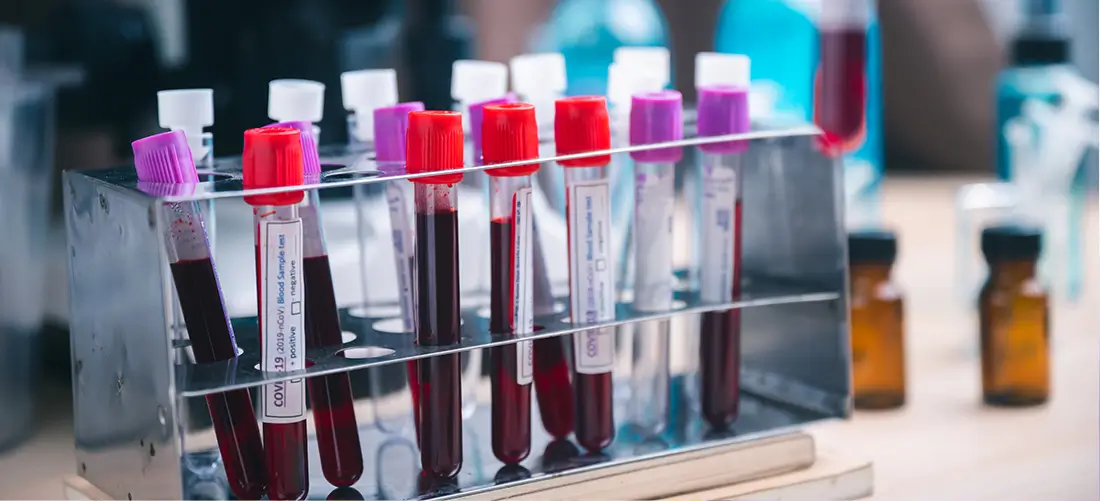
- Collection Tube Management: Different tests require specific tube types with unique color coded caps for accurate processing
- Sample Handling: Maintaining proper temperature and avoiding excessive agitation preserves sample integrity
Patients can support accurate testing by remaining calm and following comprehensive blood work analysis guidelines. Communicating any concerns about needles or previous challenging blood draws can help healthcare professionals adjust their approach.
The quality of your blood sample directly influences the diagnostic insights medical professionals can generate. By understanding and cooperating with professional collection techniques, you play an active role in obtaining precise medical information that can guide your healthcare decisions.
6. Confirm Specimen Labeling and Handling
Specimen labeling and handling represent critical components of accurate medical diagnostics, where even minor errors can compromise entire testing processes. Precision in specimen management ensures that your blood samples are tracked, processed, and analyzed with maximum reliability.
Key Specimen Management Protocols:
- Unique Identification: Each specimen must have clear patient identifiers including full name, date of birth, and unique tracking number
- Time and Date Stamping: Record exact collection time to maintain sample integrity and tracking
- Chain of Custody Documentation: Maintain detailed logs showing who handled the specimen and when
- Temperature Control: Ensure appropriate storage conditions to prevent sample degradation
- Protective Packaging: Use specialized containers that prevent contamination or accidental spillage
Comprehensive blood work analysis relies on meticulous attention to these details. Healthcare professionals follow strict protocols to guarantee that your medical information remains accurate and confidential.
Patients can support this process by verifying their information during sample collection and asking questions about handling procedures. Your active participation helps maintain the highest standards of diagnostic precision and personal health monitoring.
7. Review Result Interpretation and Follow-Up Steps
Blood test results are more than just numbers on a page they represent a comprehensive snapshot of your current health status. Understanding these diagnostic insights requires careful analysis and proactive engagement with your healthcare provider.
Essential Result Interpretation Strategies:
- Understand Reference Ranges: Recognize that normal values can vary based on age, gender, and individual health conditions
- Schedule Professional Consultation: Arrange a detailed discussion with your healthcare provider to comprehensively review results
- Request Complete Explanation: Ask for clear interpretation of each marker and its potential implications
- Compare Historical Data: Track changes in your blood work over time to identify trends or developing health patterns
- Develop Actionable Care Plan: Work with your healthcare provider to create specific recommendations based on test findings
Patients should approach result interpretation as an active collaborative process. Your healthcare provider can help translate complex medical data into meaningful insights that guide potential lifestyle modifications, further testing, or targeted medical interventions.
Remember that blood test results provide valuable information but do not represent a definitive diagnosis. They are tools for understanding your health potential and identifying areas that may require additional investigation or preventative care.
Below is a comprehensive table summarizing the key points, preparation guidelines, and insights from the article on the purpose and processes of blood testing.
| Topic | Description | Benefits/Outcomes |
|---|---|---|
| Purpose of Blood Testing | Provides insights into health, diagnoses conditions, and assesses organ function. | Early disease detection and personalized health management. |
| Pre-Test Preparation | Fasting, medication disclosure, hydration, timing, and clothing comfort. | Ensures accurate and reliable test results. |
| Blood Panels and Markers | Includes CBC, BMP, Lipid Panel, CMP, and Thyroid Function Tests. | Comprehensive health assessment based on individual needs. |
| Patient Identification | Verify ID, insurance, medical history, and contact information. | Prevents medical errors and ensures patient safety. |
| Sample Collection Techniques | Involves vein selection, tourniquet use, sterilization, and tube management. | Affects the accuracy of diagnostic results. |
| Specimen Labeling | Uses unique identifiers, time stamping, and chain of custody. | Maintains sample integrity and reliability. |
| Result Interpretation | Understand reference ranges, consult with a healthcare provider, track historical data. | Guides lifestyle changes and further testing. |
Take Control of Your Health with Expert Blood Testing Support
Navigating the essentials of blood testing requires precision and reliable partners who understand your unique health needs. This checklist highlights crucial steps like proper preparation, accurate sample collection, and clear result interpretation — all vital to getting trustworthy insights about your health. At Centra Diagnostics, we specialize in advanced blood work and diagnostic services designed to support each step of this process with unmatched accuracy and care.

Don’t leave your health to chance. Explore how our cutting-edge technology and dedicated client management can help you achieve comprehensive blood testing results you can trust. Visit Centra Diagnostics today and take the first step toward more informed healthcare decisions. Learn more about our comprehensive blood work analysis and experience diagnostic services tailored to your needs.
Frequently Asked Questions
What should I do to prepare for a blood test?
To prepare for a blood test, follow any fasting requirements, usually 8 to 12 hours, if your test specifies it. Drink plenty of water and wear comfortable clothing that allows easy access to your arms for the blood draw.
How can I ensure accurate blood test results?
Ensure accurate blood test results by disclosing all medications, supplements, and over-the-counter drugs to your healthcare provider. Prepare all required documentation, including identification and insurance information, before your appointment.
What are the common blood panels included in a complete blood test?
Common blood panels include the Complete Blood Count (CBC), Basic Metabolic Panel (BMP), Lipid Panel, Comprehensive Metabolic Panel (CMP), and Thyroid Function Tests. Consult with your healthcare provider to determine which specific panels are necessary based on your health profile.
How do I interpret my blood test results?
To interpret your blood test results, first review the reference ranges provided by your healthcare provider. Schedule a consultation to discuss the meanings of each marker and any necessary follow-up actions, such as lifestyle changes or additional tests.
What steps are involved in the blood sample collection process?
The blood sample collection process involves careful vein selection, application of a tourniquet, and strict sterilization protocols. Ensure you relax and communicate any concerns during the collection to help the healthcare professional provide a smooth experience.
Why is proper documentation important for blood testing?
Proper documentation is crucial for maintaining patient safety and ensuring accurate test results. Confirm your personal information, including name and date of birth, is correct to avoid any potential errors that could impact your health care.
Recommended
- What Is Blood Work Analysis? Complete Guide Explained | Centra Diagnostics
- Guide to Ordering Blood Work: Step-by-Step for Professionals | Centra Diagnostics
- 7 Essential Types of Lab Tests Every Provider Should Know | Centra Diagnostics
- Step by Step COVID-19 Testing: Complete Guide for 2025 | Centra Diagnostics