Nearly every routine health decision starts with the right diagnostic test. With over 70 percent of medical decisions relying on laboratory results, understanding the range and power of modern testing is more important than ever. From catching infections early to revealing hidden risks in your genes, today’s advanced screening methods help patients and doctors find answers fast. This guide gives you clear insights into the cutting-edge tests shaping personalized healthcare and better outcomes for everyone.
Table of Contents
- 1. Molecular Testing For Infectious Diseases
- 2. Comprehensive Blood Work Analysis
- 3. Toxicology Screening For Substance Use
- 4. COVID-19 Testing And Rapid Results
- 5. Genetic Testing For Personalized Care
- 6. Urine Testing For Routine Health Checks
- 7. Immunology Tests For Autoimmune Disorders
Quick Summary
| Takeaway | Explanation |
|---|---|
| 1. Molecular testing enables early pathogen detection | This advanced technique allows identification of microorganisms before symptoms appear, leading to faster and targeted treatments. |
| 2. Comprehensive blood work reveals health risks | An annual blood test provides insights into metabolic functions and potential medical conditions, allowing for proactive health management. |
| 3. Toxicology screenings identify substance use | These tests detect drug exposure, guiding treatment plans and ensuring safety in various contexts, including workplaces. |
| 4. COVID-19 rapid testing supports health decisions | Quick testing allows for immediate action upon diagnosis, reducing transmission risk and enabling timely medical interventions. |
| 5. Genetic testing personalizes healthcare | By assessing genetic risks, healthcare providers can tailor prevention and treatment strategies specific to individual needs. |
1. Molecular Testing for Infectious Diseases
Molecular testing represents the gold standard for identifying and tracking infectious diseases with unprecedented precision. By analyzing genetic material from pathogens, these advanced diagnostic techniques provide healthcare professionals with critical insights that can transform patient treatment strategies.
Unlike traditional diagnostic methods, molecular testing allows for rapid and accurate identification of disease-causing microorganisms. Research from PubMed indicates that molecular diagnostic techniques like PCR and next-generation sequencing have significantly enhanced our ability to detect and manage infectious diseases.
The power of molecular testing lies in its ability to detect pathogens at extremely low concentrations, often before symptoms become apparent. This early detection capability means doctors can:
- Initiate targeted treatments faster
- Prevent potential disease spread
- Reduce unnecessary antibiotic usage
- Customize patient care with precision
Clinical laboratories that adopt molecular assays can dramatically improve diagnostic sensitivity and specificity. According to scientific research, these advanced techniques enable healthcare providers to make timely and precise treatment decisions, potentially saving lives and reducing healthcare complications.
For patients and medical professionals, molecular testing offers a window into the microscopic world of infectious agents. By understanding the genetic blueprint of a pathogen, clinicians can develop more effective, personalized treatment plans that address the specific characteristics of each microorganism.
2. Comprehensive Blood Work Analysis
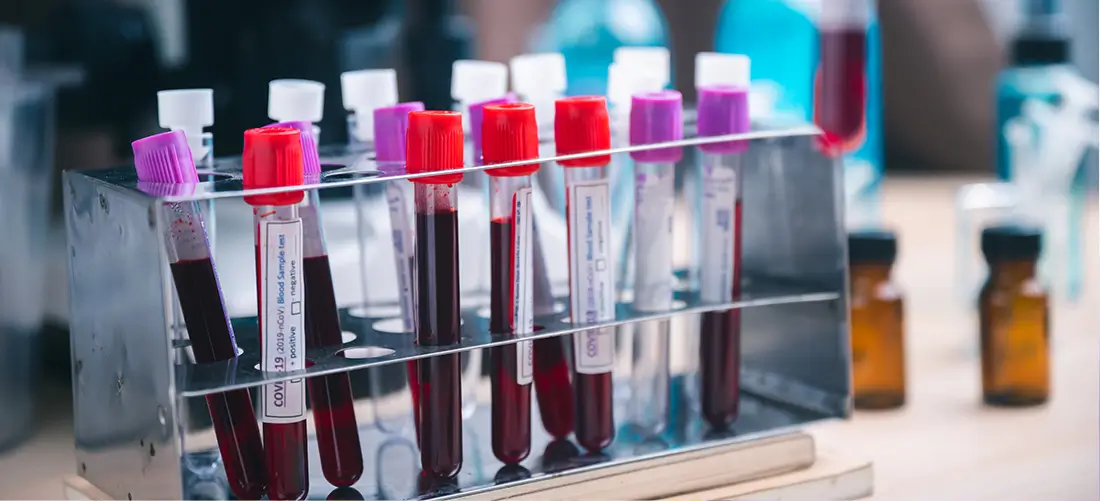
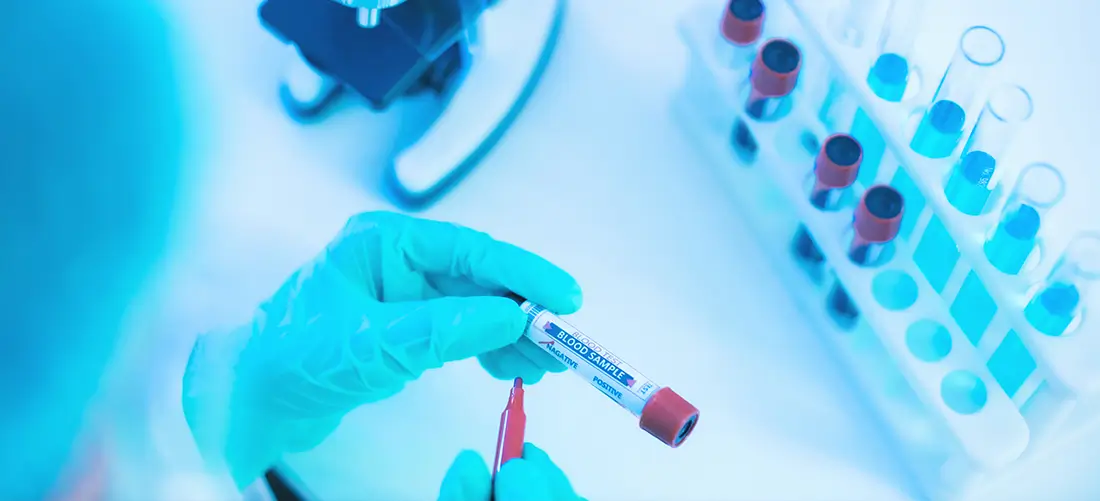
Blood work analysis is your body’s most comprehensive health report card. This powerful diagnostic tool provides an intricate snapshot of your overall health by examining various components circulating through your bloodstream.
A comprehensive blood panel investigates multiple critical health indicators by analyzing different blood components. These panels typically examine red and white blood cells, platelets, cholesterol levels, blood sugar, electrolytes, and key proteins. Learn more about the details in our complete blood work analysis guide.
Why does blood work matter? Your blood carries essential information about potential health risks, ongoing conditions, and overall wellness. By tracking these markers, healthcare providers can:
- Detect early signs of disease
- Monitor existing health conditions
- Evaluate organ function
- Assess nutritional status
- Screen for potential genetic predispositions
For most adults, a comprehensive blood work analysis provides crucial insights that go far beyond simple number tracking. These tests can reveal silent health challenges before they become serious problems. Think of blood work as a preventative maintenance check for your body much like a mechanic would inspect a car.
Patients should typically undergo comprehensive blood work annually or as recommended by their healthcare provider. The process is quick simple and provides an unparalleled view into your internal health landscape. By understanding these results you can make informed decisions about diet lifestyle and potential medical interventions.
3. Toxicology Screening for Substance Use
Toxicology screening serves as a critical diagnostic tool for identifying and managing substance use disorders. This comprehensive testing approach provides healthcare professionals and organizations with essential insights into an individual’s potential drug exposure or misuse.
According to SAMHSA, toxicology screenings are fundamental in clinical settings for detecting substance use, guiding treatment plans, and ensuring patient safety. These screenings can uncover a wide range of substances including prescription medications, illegal drugs, and potential drug interactions that might impact health outcomes.
Toxicology screenings offer multiple benefits across different contexts:
- Workplace safety monitoring
- Medical treatment planning
- Addiction recovery support
- Legal and forensic investigations
- Chronic pain management
The screening process typically involves analyzing biological samples such as urine, blood, hair, or saliva to detect the presence of specific substances. Modern toxicology tests can identify an extensive range of compounds with remarkable precision some capable of detecting drug use from days to weeks prior.
Healthcare providers and organizations use these screenings strategically. They help prevent potential risks protect individual and collective safety and provide critical information for developing targeted intervention strategies. By understanding the nuanced landscape of substance use, professionals can create more effective support systems and treatment approaches.
4. COVID-19 Testing and Rapid Results
COVID-19 testing represents a critical tool in managing public health and individual wellness in our current medical landscape. By providing quick and accurate detection of viral presence, these diagnostic tests empower individuals and healthcare systems to make informed decisions about prevention and treatment.
Rapid COVID-19 testing delivers critical health information within minutes, allowing for immediate action and reduced transmission risks. For those seeking comprehensive guidance, our step-by-step COVID-19 testing guide offers detailed insights into the testing process.
Modern COVID-19 tests typically involve two primary methods:
- Molecular PCR tests detecting viral genetic material
- Antigen tests identifying specific viral proteins
- Antibody tests revealing past infection exposure
Quick testing provides numerous advantages for patients and communities. These include early detection preventing potential spread minimizing unnecessary quarantine periods and supporting targeted medical interventions. The ability to rapidly confirm or rule out infection helps individuals make responsible health choices.
When considering COVID-19 testing, patients should understand that different test types offer varying levels of accuracy and detection windows. Consulting healthcare professionals can help determine the most appropriate testing strategy based on individual circumstances and current health guidelines.
5. Genetic Testing for Personalized Care
Genetic testing represents a revolutionary approach to understanding individual health risks and potential medical trajectories. By examining your unique genetic blueprint, healthcare professionals can develop targeted strategies for prevention and treatment.
According to the National Human Genome Research Institute, genetic testing provides critical insights into an individual’s genes and chromosomes. Personalized genetic analysis enables proactive healthcare management by uncovering potential genetic predispositions that might impact long term wellness.
Genetic testing offers multiple significant benefits:
- Early detection of inherited disease risks
- Customized treatment planning
- Understanding genetic variations
- Potential prevention strategies
- Family health history insights
Modern genetic testing goes far beyond simple diagnosis. It empowers patients with knowledge about their genetic makeup allowing for more informed medical decisions. For individuals seeking to understand how to navigate their genetic information, our step-by-step molecular testing guide provides comprehensive insights.
By analyzing genetic markers healthcare providers can develop precise intervention strategies tailored specifically to an individual’s genetic profile. This approach represents the cutting edge of personalized medicine transforming how we understand and manage potential health challenges.
6. Urine Testing for Routine Health Checks
Urine testing is a simple yet powerful diagnostic tool that offers a window into your body’s internal health landscape. This non invasive test can reveal critical information about your overall wellness and potential medical conditions.
According to MedlinePlus, urinalysis is a comprehensive test used to detect and manage a wide range of health disorders. Urine tests provide valuable insights into metabolic functions kidney health and potential underlying medical conditions like urinary tract infections diabetes and kidney disease.
Routine urine testing can help identify:
- Metabolic disorders
- Kidney function issues
- Potential infections
- Hydration levels
- Blood sugar irregularities
- Early signs of systemic health problems
For most individuals a standard urine test takes just minutes and requires minimal preparation. Healthcare providers examine multiple aspects of your urine including its color clarity protein levels and the presence of microscopic elements that might indicate health challenges.
While many people view urine testing as a simple procedure it represents a sophisticated diagnostic approach. By analyzing these small biological samples medical professionals can gain profound insights into your body comprehensive health status detecting potential issues long before they become serious medical concerns.
7. Immunology Tests for Autoimmune Disorders
Immunodiagnostic testing represents a sophisticated approach to uncovering the complex mysteries of autoimmune disorders. These specialized tests offer a critical window into understanding how your immune system might be working against your own body.
According to the National Institute of Allergy and Infectious Diseases, immunology tests are essential for diagnosing conditions where the body’s immune system mistakenly attacks its own tissues. Specialized antibody detection allows healthcare professionals to identify specific markers that indicate potential autoimmune challenges.
Immunodiagnostic tests can help detect various autoimmune conditions by examining:
- Specific antibody markers
- Inflammation indicators
- Immune system dysfunction
- Potential genetic predispositions
- Underlying systemic inflammatory responses
For patients experiencing unexplained symptoms immunology testing provides a scientific pathway to understanding their health. These tests analyze blood samples to identify complex interactions between immune system components revealing potential disorders that might otherwise remain undetected.
By offering precise insights into immune system functioning immunology tests empower patients and healthcare providers to develop targeted treatment strategies. Understanding these intricate biological mechanisms allows for more personalized medical approaches that address the root causes of autoimmune conditions rather than simply managing symptoms.
Below is a comprehensive table summarizing the diagnostic techniques and their applications discussed throughout the article.
| Diagnostic Technique | Description | Benefits |
|---|---|---|
| Molecular Testing | Analyzes genetic material from pathogens for precision. | Rapid and accurate identification, early treatment, prevents spread. |
| Comprehensive Blood Work Analysis | Examines blood components for overall health insights. | Early disease detection, organ function evaluation, and monitoring. |
| Toxicology Screening | Detects drug exposure or misuse through biological samples. | Supports addiction recovery, legal investigations, and pain management. |
| COVID-19 Testing | Detects viral presence quickly using molecular or antigen tests. | Early detection, rapid results, reduces transmission risks. |
| Genetic Testing | Examines genetic blueprint for personalized healthcare. | Early detection of risks, customized treatment, and prevention strategies. |
| Urine Testing | Non-invasive analysis of urine to assess health. | Detects infections, metabolic disorders, and assesses kidney function. |
| Immunology Tests | Identifies autoimmune disorders through antibody detection. | Diagnoses immune dysfunction, supports targeted treatments. |
Elevate Your Clinic’s Diagnostic Capabilities with Centra Diagnostics
The article highlights the vital need for clinics to implement advanced healthcare diagnostics such as molecular testing, toxicology screening, and comprehensive blood work analysis. These diagnostics address critical challenges like early disease detection, precise patient care, and managing complex conditions efficiently. Clinics striving to improve patient outcomes and streamline decision-making require reliable, fast, and cutting-edge diagnostic solutions to overcome these hurdles.
At Centra Diagnostics, we understand the urgency behind obtaining accurate results quickly to support proactive treatment plans. Our advanced testing services including molecular testing, toxicology screening, and COVID-19 testing deliver first-in-class turnaround times supported by state-of-the-art technology. Partnering with us ensures your clinic accesses precise diagnostics that empower healthcare providers to act confidently and patients to receive personalized care.
Discover how Centra Diagnostics transforms healthcare diagnostics into actionable insights.
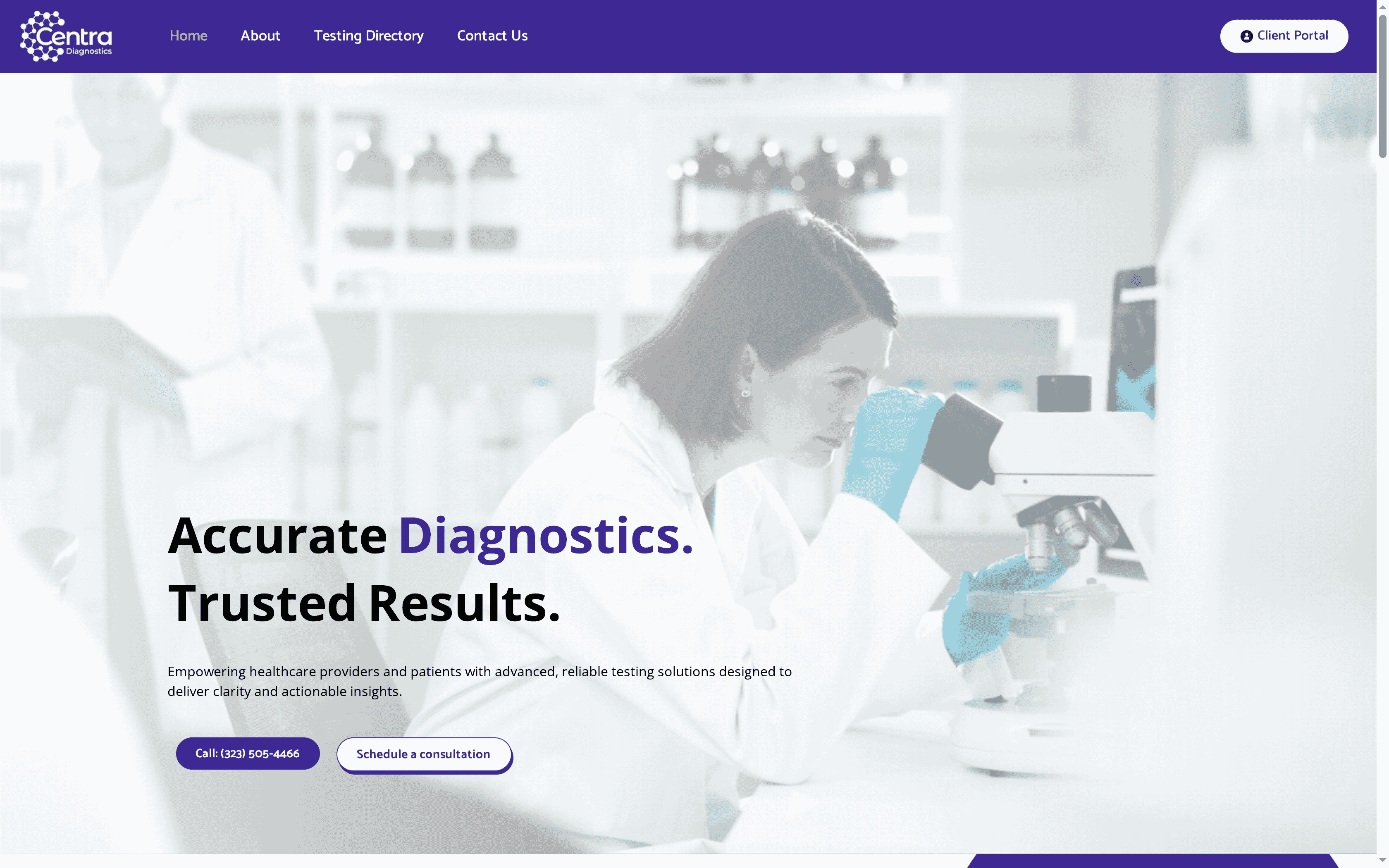
Ready to equip your clinic with the essential diagnostic tools every practice needs? Visit Centra Diagnostics today to learn more and connect with our dedicated client support team. Don’t wait to advance your clinical impact with trusted, innovative testing solutions specially designed to meet your needs.
Frequently Asked Questions
What are the key benefits of molecular testing for infectious diseases?
Molecular testing provides rapid and accurate identification of pathogens, allowing for quicker targeted treatments. Implement molecular assays in your clinic to enhance diagnostic sensitivity and potentially save lives by starting treatments within 24 hours of testing.
How often should patients undergo comprehensive blood work analysis?
Patients typically benefit from comprehensive blood work analysis annually or as recommended by their healthcare provider. Schedule these tests regularly to monitor health indicators and catch potential issues early, ideally within the first few months of each year.
What substances can toxicology screening detect in patients?
Toxicology screening can uncover a wide range of substances, including prescription medications, illegal drugs, and potential drug interactions. Implement routine screenings in your practice to ensure comprehensive patient assessments and deliver timely intervention strategies based on test results.
What is the difference between molecular and antigen COVID-19 testing?
Molecular tests detect the viral genetic material, while antigen tests identify specific viral proteins. Use both testing methods to provide a comprehensive COVID-19 assessment, catering to different patient needs based on symptom presentation and risk exposure contexts.
How can genetic testing enhance personalized care for patients?
Genetic testing allows healthcare providers to develop tailored treatment strategies based on an individual’s genetic profile. Encourage patients to consider genetic testing to identify inherited disease risks, which can lead to more proactive healthcare management and potentially improve health outcomes significantly.
Why is urine testing considered vital for routine health checks?
Urine testing reveals critical information about metabolic functions, kidney health, and potential underlying conditions, such as urinary tract infections. Conduct routine urine analyses to detect health issues early, ideally within minutes of testing, to facilitate timely medical interventions.