More than half of american adults skip at least one recommended health screening each year, risking delayed detection of serious conditions. Routine checkups can uncover issues like high blood pressure or diabetes long before symptoms appear, making them a vital tool for anyone who values their well-being. With the right information, every person can use screenings to protect their health, reduce future complications, and take control of potential risks.
Table of Contents
- What Are Routine Health Screenings?
- Types of Common Health Screenings
- How the Screening Process Works
- Benefits for Patients and Providers
- Risks, Limitations, and Alternatives
Key Takeaways
| Point | Details |
|---|---|
| Importance of Routine Screenings | Routine health screenings are essential for early detection of potential health issues, enabling timely intervention and improved health outcomes. |
| Customized Assessments | Screenings are tailored based on individual factors like age, gender, and family history to maximize effectiveness. |
| Patient Empowerment | Participation in screenings allows individuals to take an active role in their health management and make informed decisions. |
| Risks and Limitations | While valuable, screenings can yield false results and stress; understanding these risks is crucial for informed healthcare decisions. |
What Are Routine Health Screenings?
Routine health screenings are preventive medical assessments designed to detect potential health problems before symptoms emerge. These strategic evaluations provide crucial insights into an individual’s current health status, enabling early medical intervention and proactive management of potential health risks.
These screenings are carefully tailored to each person’s unique health profile, taking into account critical factors such as age, gender, family medical history, and personal risk factors. By conducting comprehensive tests for conditions like diabetes, hypertension, and various cancers, healthcare providers can identify subtle health changes that might otherwise go unnoticed. The primary goal is not just detection, but prevention and timely treatment, which can significantly improve overall health outcomes.
Key aspects of routine health screenings include:
- Age-specific assessments targeting different health risks at various life stages
- Comprehensive evaluations covering multiple body systems and potential health concerns
- Risk-based testing customized to individual genetic and lifestyle factors
- Early warning mechanisms that catch potential health issues before they become serious
By participating in routine health screenings, individuals transform from passive healthcare recipients to active partners in their own wellness journey. These strategic medical evaluations empower patients with knowledge, enabling them to make informed decisions about their health, lifestyle, and potential preventive interventions.
Types of Common Health Screenings
Health screenings encompass a wide range of diagnostic tests designed to detect potential health conditions at their earliest stages. Medical professionals recommend various screenings that target different body systems and health risks, providing comprehensive insights into an individual’s overall wellness.
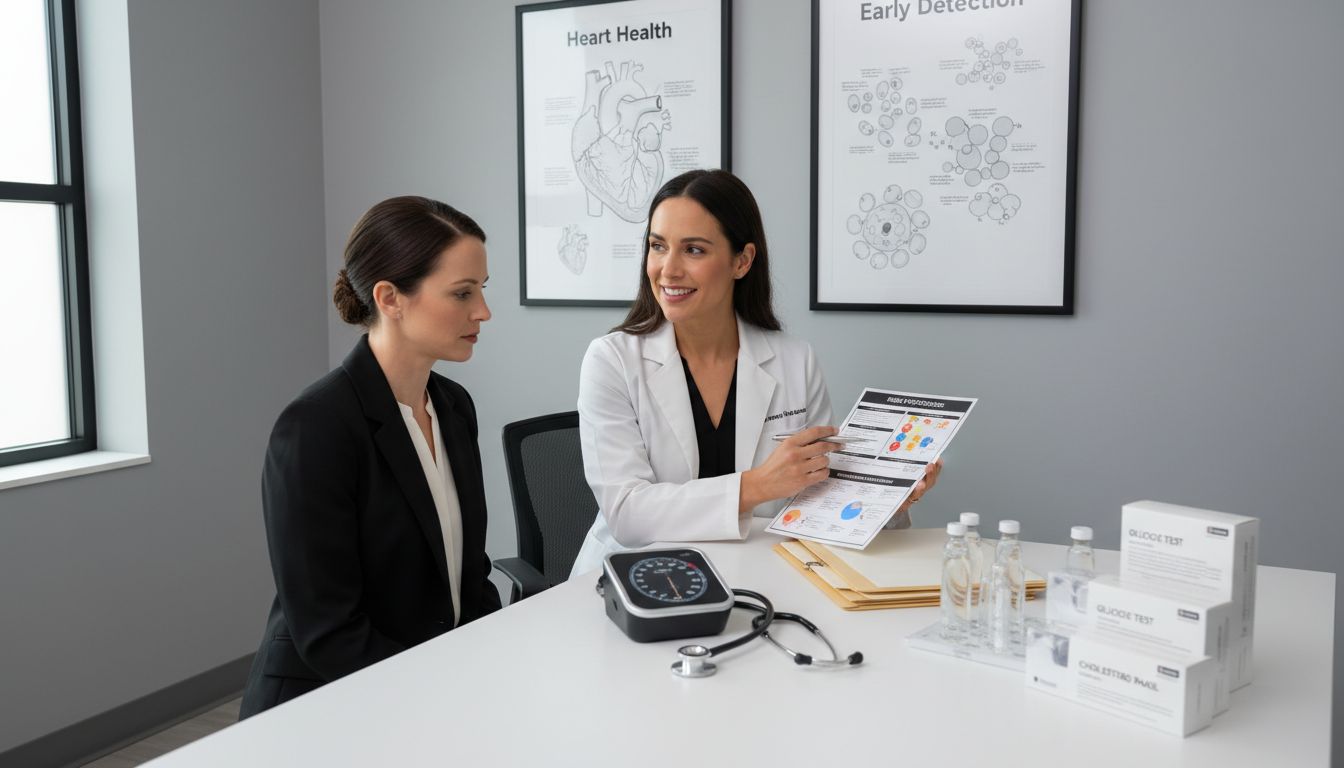
Key types of common health screenings include cardiovascular assessments, cancer screenings, metabolic evaluations, and infectious disease tests. These critical examinations help healthcare providers identify potential health issues before they become more serious. For instance, routine screenings can detect conditions like type 2 diabetes, hepatitis, and HIV through targeted blood and diagnostic tests.
Major categories of health screenings include:
-
Cardiovascular Screenings
- Blood pressure measurements
- Cholesterol level tests
- Heart disease risk assessments
-
Cancer Screenings
- Mammograms
- Colonoscopies
- Prostate examinations
- Skin cancer checks
-
Metabolic Screenings
- Diabetes tests
- Thyroid function assessments
- Kidney and liver function panels
-
Infectious Disease Screenings
- HIV testing
- Hepatitis B and C screenings
- Sexually transmitted infection (STI) tests
By understanding and participating in these comprehensive health screenings, individuals can take proactive steps toward maintaining their health, catching potential issues early, and developing personalized prevention strategies tailored to their unique medical profiles.
How the Screening Process Works
Health screenings follow a systematic and comprehensive approach designed to detect potential medical issues with precision and thoroughness. The screening process typically begins with an initial medical assessment that involves gathering detailed patient history, understanding individual risk factors, and conducting preliminary physical examinations.
The screening journey involves multiple strategic steps. Healthcare providers first evaluate an individual’s personal and family medical background, identifying specific risk factors that might necessitate more targeted testing. For specialized screenings like lung cancer detection, advanced imaging technologies such as low-dose computed tomography (CT) scans are employed to identify potential abnormalities that might not be visible through traditional diagnostic methods.
Key stages in the screening process include:
-
Pre-Screening Consultation
- Comprehensive medical history review
- Risk factor assessment
- Discussion of patient’s specific health concerns
-
Initial Physical Examination
- Vital signs measurement
- Basic health parameter checks
- Preliminary physical assessment
-
Diagnostic Testing
- Blood work and laboratory analyses
- Specialized imaging studies
- Targeted screening tests based on individual risk profile
-
Result Interpretation
- Detailed analysis of screening results
- Consultation with healthcare professional
- Recommendation of follow-up actions or additional testing
The ultimate goal of this meticulously structured screening process is to empower individuals with early insights into their health, enabling proactive medical interventions and personalized preventive strategies that can significantly improve long-term health outcomes.
Benefits for Patients and Providers
Routine health screenings represent a powerful approach to proactive healthcare, offering substantial advantages for both patients and healthcare systems. These screenings enable early detection of chronic diseases, leading to more effective interventions and potentially transformative health outcomes.
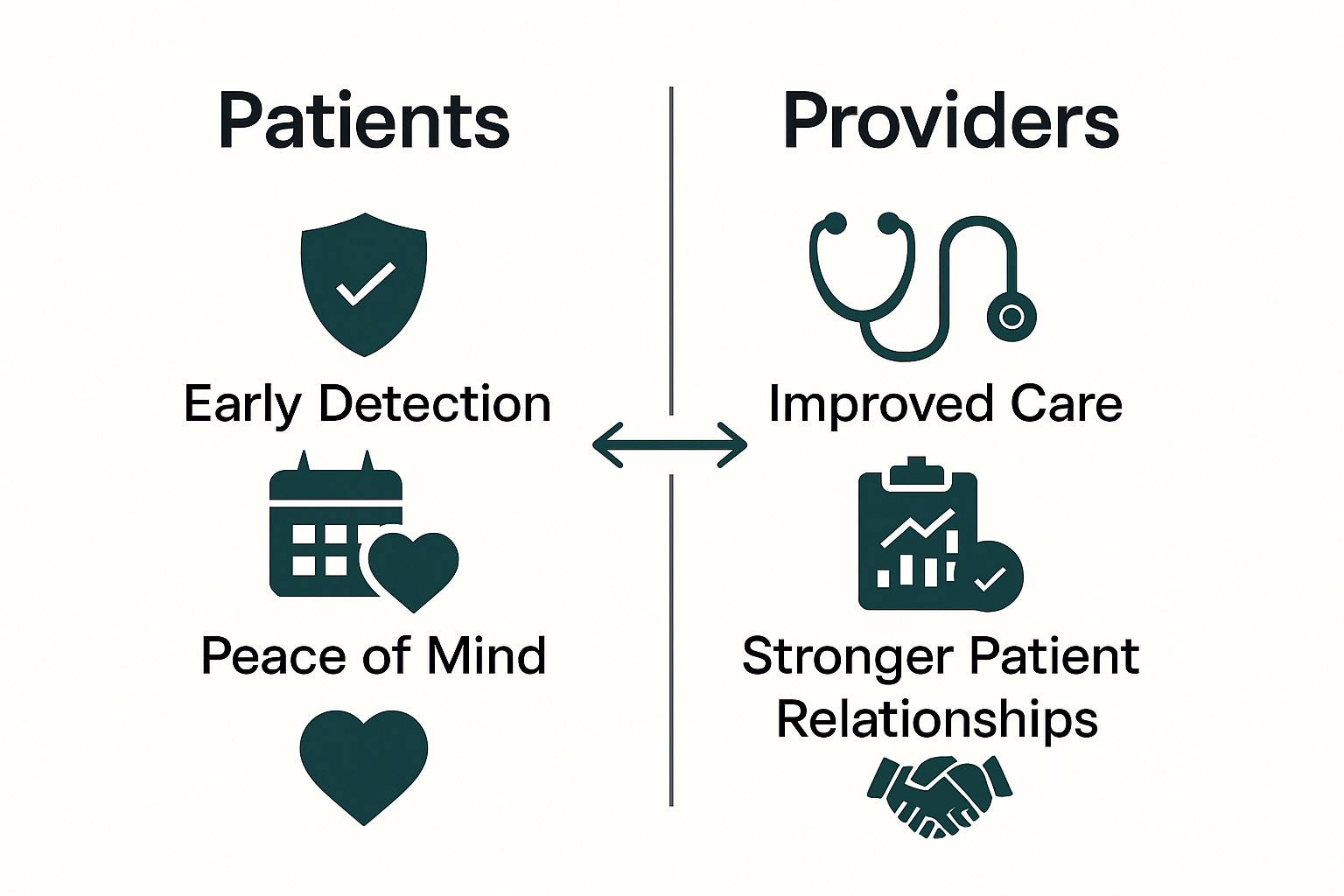
For patients, the benefits extend far beyond simple diagnostic testing. Regular screenings contribute to improved survival rates and more targeted treatment strategies, empowering individuals to take control of their health journey. By identifying potential health risks before they become critical, patients can make informed lifestyle modifications and engage in preventive care.
Key benefits for patients include:
-
Early Disease Detection
- Identifying health risks before symptoms emerge
- Preventing disease progression
- Reducing long-term health complications
-
Personalized Healthcare
- Tailored medical recommendations
- Individualized prevention strategies
- Proactive health management
Key benefits for healthcare providers include:
-
System-Wide Efficiency
- Reducing overall healthcare costs
- Minimizing advanced disease treatments
- Improving patient management protocols
-
Preventive Care Optimization
- Enhanced diagnostic capabilities
- More accurate risk assessment
- Streamlined patient care pathways
Ultimately, routine health screenings represent a collaborative approach to wellness, bridging the gap between patients and healthcare providers through data-driven, proactive medical strategies that prioritize prevention and early intervention.
Risks, Limitations, and Alternatives
Health screenings, while valuable, are not without potential drawbacks and complexities. Screening processes can introduce significant challenges, including the risks of false positive or negative results, which may lead to unnecessary medical interventions or missed diagnostic opportunities.
One of the most critical considerations in health screenings is understanding their inherent limitations. Specialized screenings, such as lung cancer diagnostics, can potentially result in overdiagnosis and unnecessary medical procedures, creating psychological stress and financial burden for patients. These nuanced challenges underscore the importance of comprehensive, thoughtful medical decision-making.
Key risks and limitations include:
-
Diagnostic Uncertainties
- False positive test results
- Potential for unnecessary medical interventions
- Psychological stress from inconclusive findings
-
Screening-Related Complications
- Radiation exposure from imaging tests
- Potential for invasive follow-up procedures
- Emotional and financial strain
Alternative approaches to consider:
-
Proactive Health Management
- Lifestyle modification programs
- Regular health monitoring
- Personalized nutrition and fitness strategies
-
Non-Invasive Monitoring
- Annual physical examinations
- Regular health consultations
- Comprehensive risk assessment protocols
Navigation of these screening challenges requires a balanced, informed approach that weighs potential benefits against possible risks, emphasizing personalized medical strategies that prioritize individual patient needs and long-term health outcomes.
Take Control of Your Health with Precise Routine Screenings
The article highlights how routine health screenings can detect diseases early and empower you to make proactive decisions about your wellness. We understand the challenges of navigating complex screening processes, managing risks like false positives, and seeking personalized, accurate results for your unique health needs. At Centra Diagnostics, we specialize in advanced testing services that provide fast, reliable, and comprehensive diagnostic solutions—helping you overcome these challenges with confidence.
Why settle for uncertainty when you can have clarity? Our cutting-edge technology and dedicated client management ensure you get precise blood work, molecular testing, and more—all designed to support your preventive health journey. Experience shorter turnaround times and trust that your health decisions are backed by trusted, expert diagnostics.
Take the next step toward proactive health management now. Discover how Centra Diagnostics can partner with you for routine screenings that matter.
Get ahead of health risks with timely, personalized testing. Visit us today at Centra Diagnostics and make informed choices for your well-being. Contact our team anytime for live support and expert guidance tailored to your needs.
Frequently Asked Questions
What are routine health screenings?
Routine health screenings are preventive medical assessments that help detect potential health problems before symptoms emerge, allowing for early intervention and proactive health management.
What types of health screenings are commonly recommended?
Common health screenings include cardiovascular assessments, cancer screenings (like mammograms and colonoscopies), metabolic evaluations (such as diabetes tests), and infectious disease tests (like HIV and hepatitis screenings).
How does the health screening process work?
The health screening process involves an initial consultation to assess medical history and risk factors, a physical examination, diagnostic testing, and result interpretation to guide follow-up actions.
What are the benefits of routine health screenings for patients?
Routine health screenings offer benefits including early disease detection, personalized healthcare recommendations, and improved health outcomes by identifying potential risks before they develop into serious conditions.