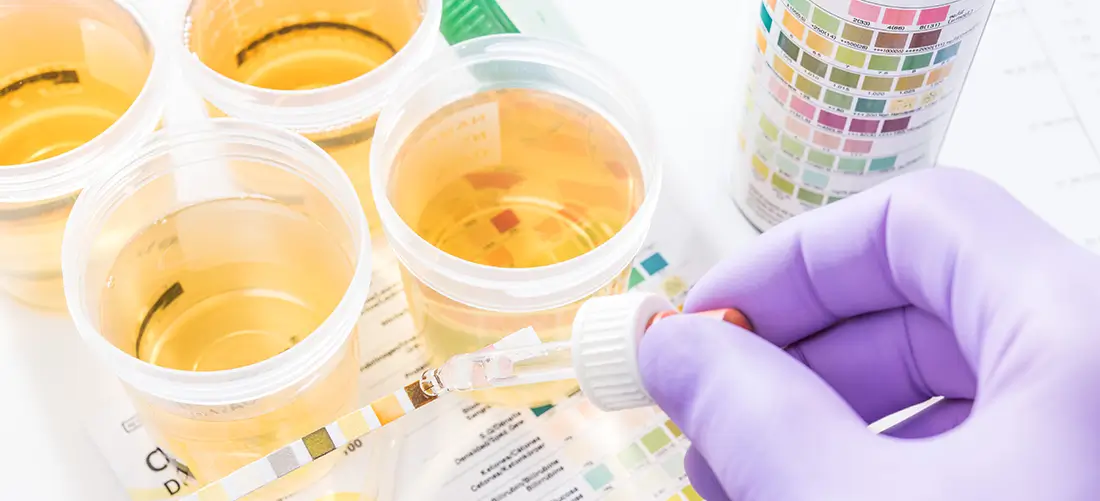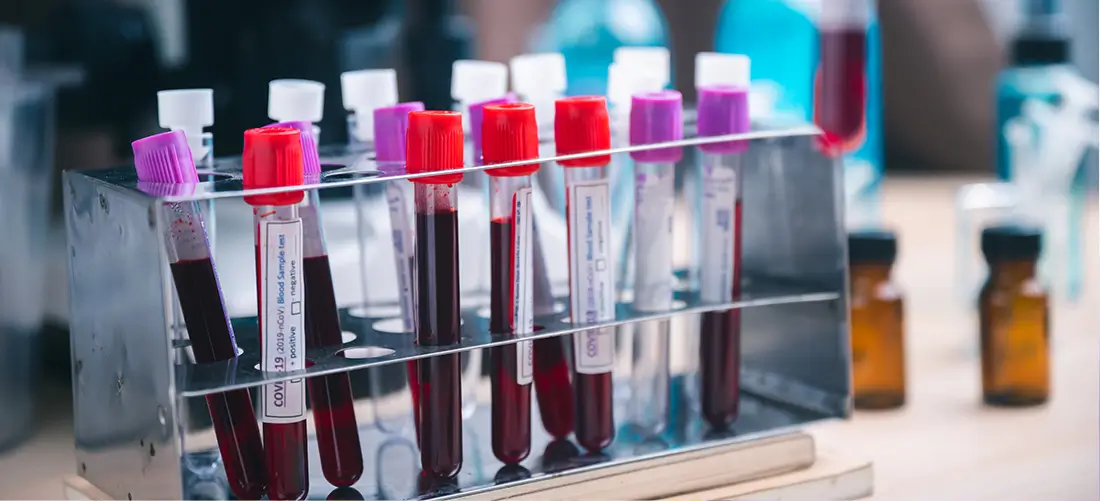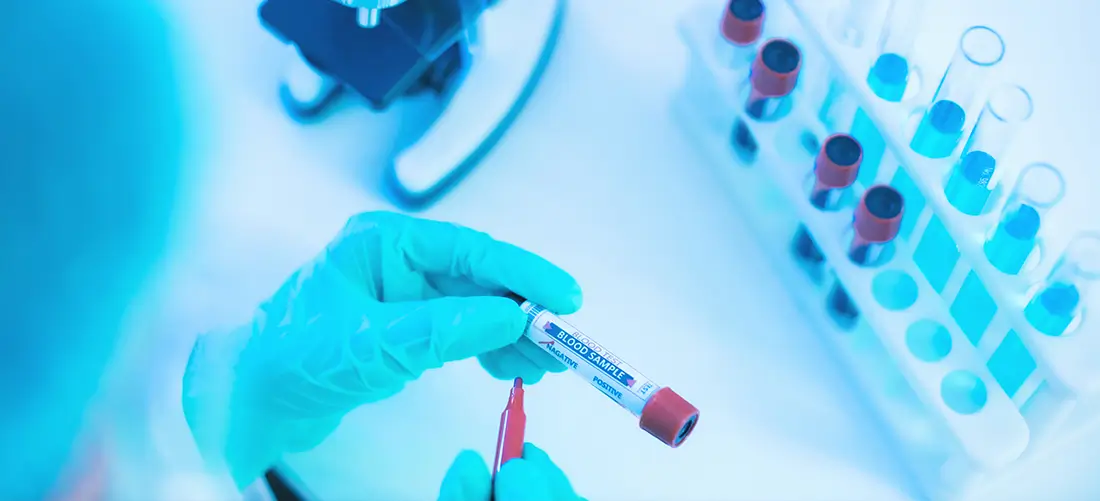
Over 900 million COVID-19 tests have been administered across the american population, helping families and healthcare workers make informed decisions every day. Testing is not just about a simple result; it shapes how communities respond to outbreaks, protect vulnerable people, and plan for safer schools or workplaces. Understanding how these tests work and what they really show can help anyone take control of their health and reduce anxiety in uncertain times.
Table of Contents
- Understanding COVID-19 Testing And Purpose
- Key Types Of COVID-19 Tests Explained
- How COVID-19 Testing Works In Practice
- Benefits Of Early And Accurate Diagnosis
- Risks, Limitations, And Critical Considerations
Key Takeaways
| Point | Details |
|---|---|
| Importance of Testing | COVID-19 testing is essential for public health management, enabling diagnosis, prevention of transmission, and informed decision-making. |
| Testing Methods | Different tests (PCR, Antigen, Antibody) serve distinct purposes, offering insights into current infections or past exposure. |
| Early Detection Benefits | Timely diagnosis allows for immediate isolation, targeted contact tracing, and effective public health interventions to reduce community transmission. |
| Limitations of Testing | Potential inaccuracies exist, including false negatives and positives, emphasizing the need for careful interpretation and possible repeat testing. |
Understanding COVID-19 Testing And Purpose
COVID-19 testing has become a critical tool in managing public health, diagnosing infections, and preventing viral transmission. According to FDA, these diagnostic tests serve multiple essential purposes in detecting and tracking the SARS-CoV-2 virus across various populations and settings.
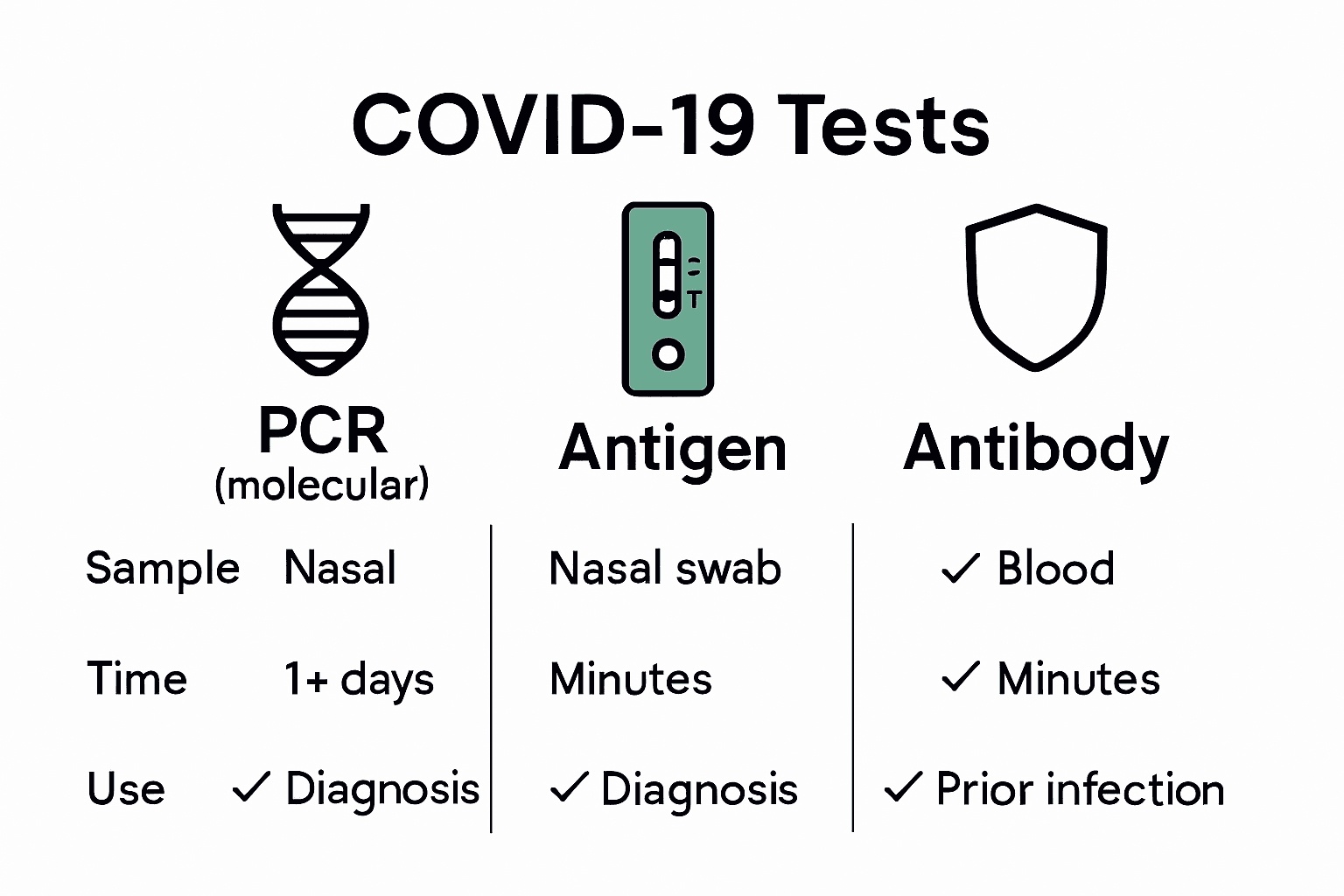
Diagnostic Testing provides direct insights into whether an individual is currently infected with COVID-19. Mayo Clinic explains that these tests identify active viral infections by detecting genetic material or specific viral proteins. The primary testing methods include:
- Molecular (PCR) Tests: Detect viral genetic material
- Antigen Tests: Identify specific viral proteins
- Antibody Tests: Determine past infection or immune response
Each testing method offers unique advantages and serves different clinical objectives. Molecular tests remain the gold standard for precise viral detection, providing healthcare professionals with accurate information about current infections. Antigen tests offer rapid results, making them valuable for quick screening in high-risk environments like healthcare facilities, schools, and workplaces. Antibody tests help understand population-level immunity and track an individual’s previous exposure to the virus.
The fundamental purpose of COVID-19 testing extends beyond individual diagnosis. These tests play a crucial role in public health strategies, enabling medical professionals to track viral spread, implement targeted interventions, and make informed decisions about isolation, treatment, and community health management. By understanding the nuanced purposes of different testing approaches, individuals and healthcare providers can more effectively navigate pandemic response and mitigation strategies.
Key Types Of COVID-19 Tests Explained
COVID-19 testing encompasses several distinct methods, each designed to provide critical insights into viral infection and transmission. Mayo Clinic Health System highlights three primary test categories that help healthcare professionals and individuals understand viral status and potential exposure.
Molecular (PCR) Tests represent the most precise diagnostic approach. These tests detect the virus’s genetic material directly, offering the highest accuracy in identifying active infections. Key characteristics include:
- Detect viral RNA with extremely high sensitivity
- Typically require laboratory processing
- Can identify infection even in early stages
- Considered the “gold standard” for COVID-19 diagnosis
Antigen Tests provide rapid screening capabilities, delivering results within minutes. According to British Society for Immunology, these tests identify specific viral proteins and are particularly useful for quick population-level screening. They work best during peak viral load and offer a faster alternative to molecular testing, though with slightly lower accuracy.
Antibody Tests serve a different purpose, focusing on identifying past viral exposure by detecting immune system responses. These tests reveal whether an individual has previously contracted COVID-19 and developed an immune response, providing valuable epidemiological data about population-level infection history. While not designed to diagnose current infections, antibody tests play a crucial role in understanding viral transmission and individual immune status.
How COVID-19 Testing Works In Practice
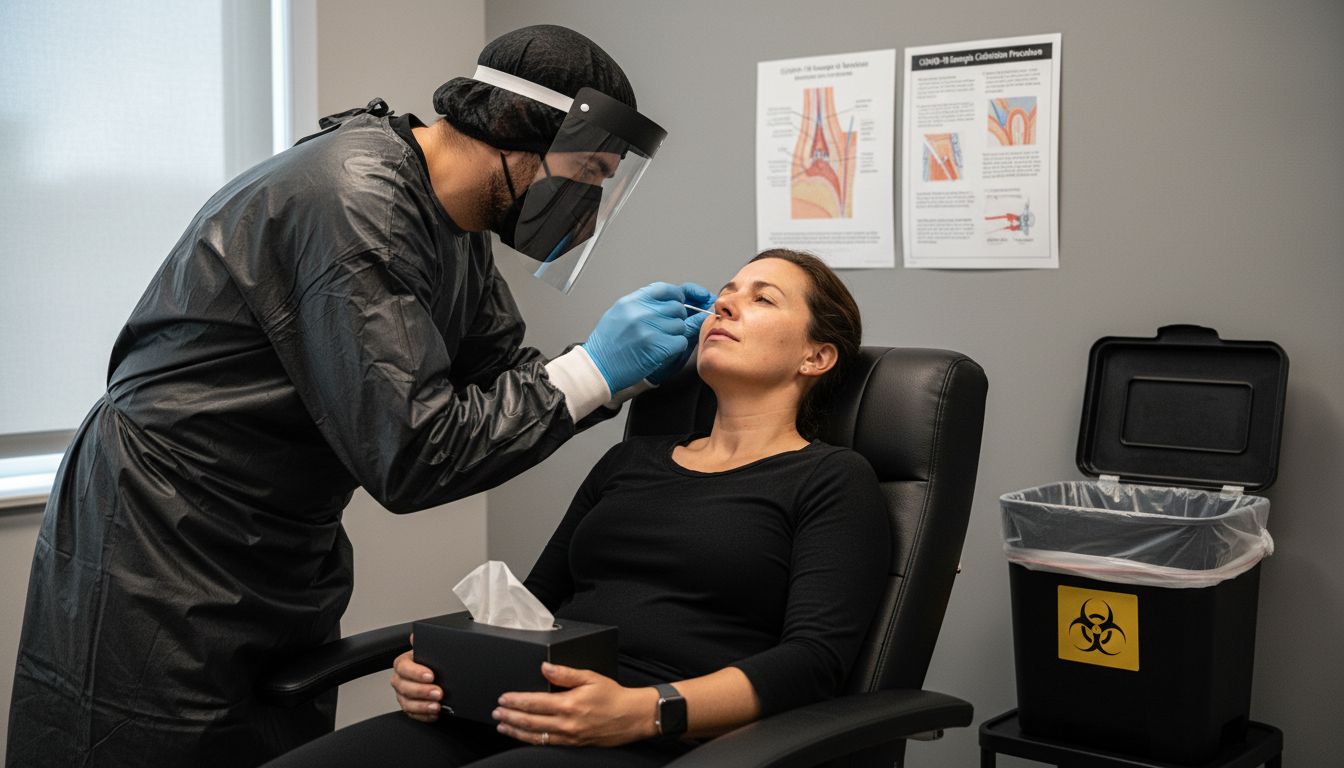
Sample Collection forms the critical first step in COVID-19 testing, determining the accuracy and reliability of diagnostic results. Partners In Health emphasizes the importance of proper specimen gathering techniques across different testing methods.
The testing process typically involves several key stages:
- Specimen Collection
- Nasal swabs (nasopharyngeal or mid-turbinate)
- Throat swabs
- Saliva samples
- Blood draws (for antibody tests)
- Laboratory Processing
- Molecular tests analyze genetic material
- Antigen tests detect specific viral proteins
- Samples processed using specialized laboratory equipment
Mayo Clinic highlights that the complexity of test processing requires specialized training and precise scientific protocols. Trained laboratory technicians use advanced molecular techniques to extract and analyze viral genetic material, ensuring accurate diagnostic results.
The final stage involves result interpretation and reporting. Healthcare professionals carefully review test outcomes, considering factors like viral load, testing timing, and individual patient context. Positive results trigger immediate contact tracing and isolation protocols, while negative results are evaluated with potential follow-up testing recommendations. This systematic approach ensures comprehensive monitoring and management of potential viral transmission within communities.
Benefits Of Early And Accurate Diagnosis
Partners In Health emphasizes that early COVID-19 detection is a critical strategy for comprehensive public health management. Timely identification of viral infections enables swift intervention, preventing widespread transmission and protecting vulnerable populations from potential health complications.
The primary benefits of early and accurate diagnosis include:
- Immediate Isolation Protocols
- Targeted Contact Tracing
- Personalized Medical Intervention
- Reduced Community Transmission
- Data-Driven Public Health Decisions
Mayo Clinic highlights that prompt testing allows healthcare professionals to implement strategic medical responses. By identifying infections quickly, medical teams can:
- Initiate appropriate treatment protocols
- Monitor patient progression
- Prevent potential hospital overcrowding
- Minimize risk of severe health complications
Accurate diagnosis goes beyond individual patient care. It provides critical epidemiological data that helps public health authorities track viral spread, understand transmission patterns, and develop targeted intervention strategies. These insights are invaluable for managing potential outbreak scenarios, allocating medical resources efficiently, and protecting community health at a systemic level. The comprehensive approach to early detection represents a proactive defense mechanism against potential viral transmission and health risks.
Risks, Limitations, And Critical Considerations
FDA warns that COVID-19 testing is not infallible, with several critical limitations that individuals and healthcare professionals must carefully consider. Understanding these potential risks is essential for accurate interpretation and appropriate medical decision-making.
Key limitations of COVID-19 testing include:
- False Negative Results
- False Positive Results
- Timing Sensitivity
- Sample Collection Variability
- Test Type Accuracy Differences
Mayo Clinic emphasizes that test accuracy depends on multiple factors. Timing of testing plays a crucial role in result reliability. For instance:
- Testing too early can miss viral detection
- Testing too late might not capture active infection
- Different test types have varying sensitivity windows
- Individual viral load impacts test accuracy
The complexity of COVID-19 testing requires a nuanced approach. No single test provides absolute certainty, making repeated testing and comprehensive clinical assessment critical. Healthcare professionals must consider individual patient factors, exposure history, and specific testing methodologies to develop accurate diagnostic strategies. This multifaceted approach helps mitigate potential risks and ensures more reliable health management protocols.
Take Control of Your Health with Accurate COVID-19 Testing at Centra Diagnostics
Understanding the critical role of COVID-19 testing in early detection and reliable diagnosis is the first step toward protecting yourself and your community. The article highlights how timely molecular and antigen testing can prevent virus spread and support targeted medical care. If you are seeking precise results delivered with speed and professionalism, Centra Diagnostics stands ready to meet your needs with advanced COVID-19 testing solutions that prioritize accuracy and quick turnaround times.
Do not wait until symptoms worsen or exposure risk increases. Get the confidence of clear, dependable testing backed by cutting-edge technology and expert support at Centra Diagnostics. Visit Centra Diagnostics now to learn more about our diagnostic services including COVID-19 molecular testing and personalized client care. Your health decision matters today—take action and schedule your test with us for prompt results and peace of mind.
Frequently Asked Questions
Why is COVID-19 testing important?
COVID-19 testing is essential for diagnosing infections, managing public health, and preventing the virus’s spread. It helps track viral transmission and informs decisions about isolation and treatment.
What are the different types of COVID-19 tests?
The main COVID-19 tests include Molecular (PCR) Tests that detect viral genetic material, Antigen Tests that identify specific viral proteins, and Antibody Tests that reveal past infections and immune responses.
How does COVID-19 testing work?
COVID-19 testing involves specimen collection (like nasal swabs or blood draws), laboratory processing to analyze samples, and result interpretation by healthcare professionals to determine infection status and necessary actions.
What are the risks and limitations of COVID-19 testing?
Risks include false negative and positive results, timing sensitivity, and differences in accuracy among test types. Understanding these limitations is crucial for appropriate healthcare decision-making.
Recommended
- Step by Step COVID-19 Testing: Complete Guide for 2025 | Centra Diagnostics
- What Is COVID-19 Testing? Complete Guide for 2025 | Centra Diagnostics
- How to Get COVID-19 Testing in Los Angeles: Step-by-Step Guide | Centra Diagnostics
- COVID-19 Testing Explained: Methods, Uses, and Accuracy | Centra Diagnostics