Over 900 million COVID-19 tests have been conducted in the United States, highlighting just how vital accurate detection is for public health. Knowing if you or someone close to you has the virus means faster treatment and fewer chances of spreading infection. With many types of tests and evolving procedures, understanding how COVID-19 testing works helps you choose the right tools to protect yourself and your community.
Table of Contents
- Defining COVID-19 Testing And Its Purpose
- Types Of COVID-19 Tests Explained
- How COVID-19 Tests Are Performed
- Requirements And Access In Los Angeles
- Key Risks, Limitations, And Best Practices
Key Takeaways
| Point | Details |
|---|---|
| Purpose of COVID-19 Testing | COVID-19 testing is essential for diagnosing infections, managing pandemic dynamics, and protecting public health. It helps identify active cases, informs treatment, and tracks viral transmission. |
| Types of COVID-19 Tests | The main types of tests are molecular (PCR) tests for high accuracy, antigen tests for rapid results, and antibody tests for past infections. Each serves specific clinical needs. |
| Testing Access in Los Angeles | COVID-19 testing is widely accessible in Los Angeles with no-cost services available regardless of insurance or immigration status. Various collection methods and locations cater to community needs. |
| Testing Limitations and Best Practices | COVID-19 tests can yield false negatives or positives, emphasizing the need for repeat testing and understanding test characteristics. Following recommended guidelines enhances testing effectiveness. |
Defining COVID-19 Testing and Its Purpose
COVID-19 testing represents a critical diagnostic tool designed to detect the presence of SARS-CoV-2, the virus responsible for the COVID-19 pandemic. Diagnostic testing helps healthcare professionals and individuals understand current infection status, enabling timely interventions and preventing potential virus transmission. According to the CDC, these tests help identify if an individual is infected, allowing for immediate treatment and measures to control virus spread.
Primary purposes of COVID-19 testing include:
- Confirming active infections
- Identifying potential transmission risks
- Guiding medical treatment decisions
- Supporting public health monitoring efforts
- Protecting vulnerable populations
As the FDA explains, these tests are essential tools in managing pandemic dynamics, providing crucial information for individuals and healthcare systems. By detecting current or past infections, COVID-19 tests inform critical public health decisions and help track viral transmission patterns.
Modern COVID-19 testing involves multiple methodologies, including molecular (PCR) tests, antigen tests, and antibody screenings. Each testing approach offers unique advantages in detecting viral presence, offering healthcare providers flexible diagnostic options to suit specific clinical needs and patient circumstances. The ongoing evolution of testing technologies continues to improve accuracy, speed, and accessibility of viral detection methods.
Types of COVID-19 Tests Explained
COVID-19 testing encompasses several distinct methodologies designed to detect viral presence and infection status. Mayo Clinic explains that diagnostic tests primarily fall into two critical categories: molecular tests and antigen tests, each serving unique purposes in identifying current infections.
Molecular (PCR) Tests
Molecular tests, also known as PCR tests, represent the gold standard for COVID-19 detection. These tests identify viral RNA directly, providing the most accurate representation of active infections. Key characteristics include:
- Highest level of diagnostic accuracy
- Detect minute quantities of viral genetic material
- Typically processed in laboratory settings
- Can identify infections even before symptoms appear
Antigen Tests
Antigen tests offer a faster alternative, detecting specific viral proteins instead of genetic material. These tests provide rapid results, making them valuable for quick screening in various settings like clinics, workplaces, and schools.
According to American Lung Association, there are two primary test classifications: viral tests for current infections and antibody tests for past exposure. Viral tests (molecular and antigen) help individuals understand their current infection status, while antibody tests reveal whether someone has previously been infected and developed an immune response.
Each testing method offers unique advantages, allowing healthcare providers to select the most appropriate diagnostic approach based on specific clinical needs, timeframe, and available resources.
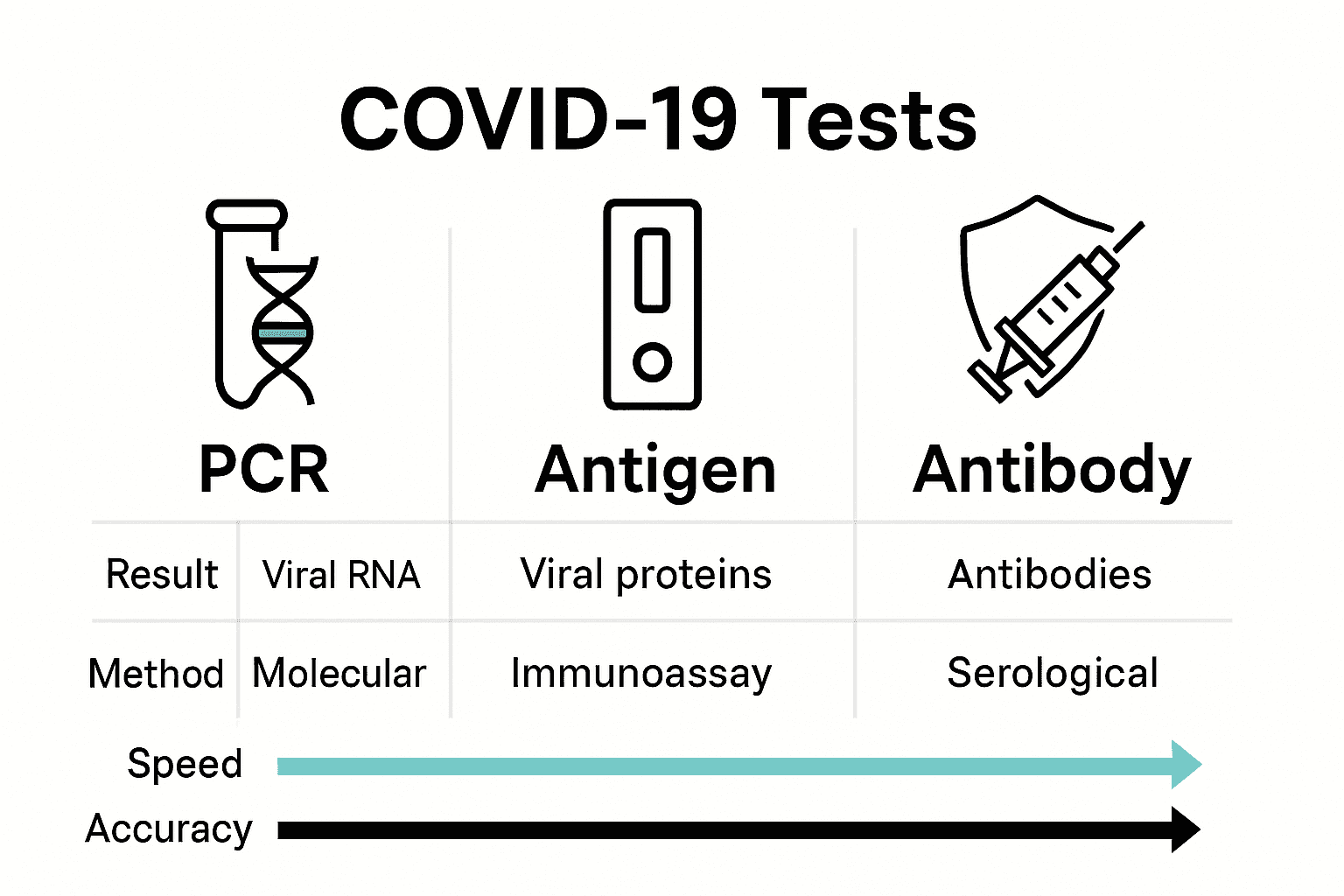
Here’s a comparison of the main COVID-19 test types:
| Test Type | What It Detects | Speed of Results | Typical Use |
|---|---|---|---|
| Molecular (PCR) | Viral genetic RNA | Hours to days | Accurate diagnosis Lab settings |
| Antigen | Viral proteins | 15-30 minutes | Rapid screening On-site testing |
| Antibody (Serology) | Antibodies in blood | Hours to days | Past infection detection Immunity studies |
How COVID-19 Tests Are Performed
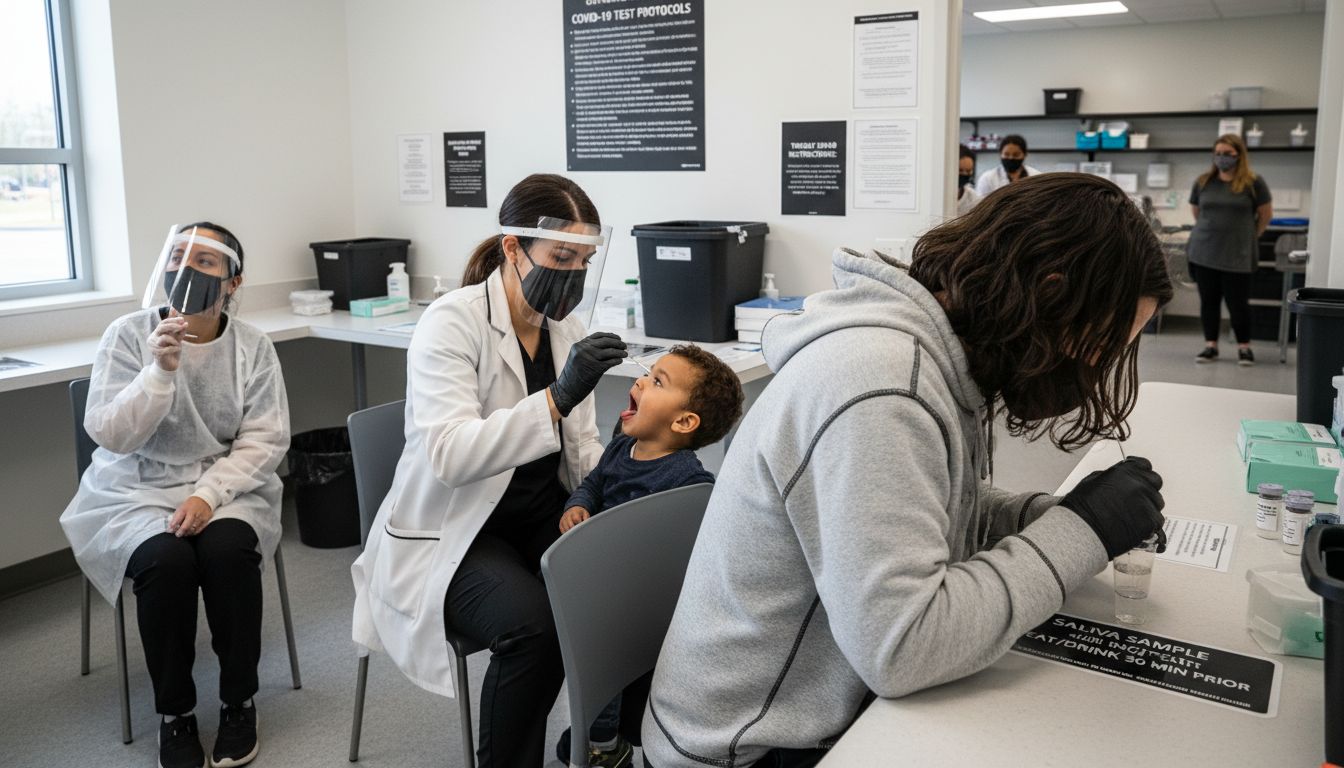
Mayo Clinic Health System explains that COVID-19 testing involves collecting specific biological samples to detect viral presence. Sample collection is a critical first step in the diagnostic process, with healthcare professionals typically using three primary methods: nasal swabs, throat swabs, and saliva collection.
Sample Collection Methods
The testing process varies depending on the specific type of test being administered:
- Nasal Swab Tests
- Involves inserting a long, thin swab deep into the nasal cavity
- Provides highly accurate viral detection
- Two primary variations: nasopharyngeal (deep nasal) and anterior nasal swabs
- Throat Swab Tests
- Collects sample from the back of the throat
- Less invasive compared to deep nasal swabs
- Typically used for certain molecular and antigen testing
- Saliva Tests
- Involves collecting saliva sample in a sterile container
- Non-invasive and more comfortable for patients
- Increasingly popular for routine screening
According to Johns Hopkins Coronavirus Resource Center, viral tests primarily focus on detecting active infections through these sample collection methods. The collected samples are then processed using different testing technologies:
- Molecular (PCR) Tests: Samples are analyzed in laboratory settings
- Antigen Tests: Can provide rapid on-site results within minutes
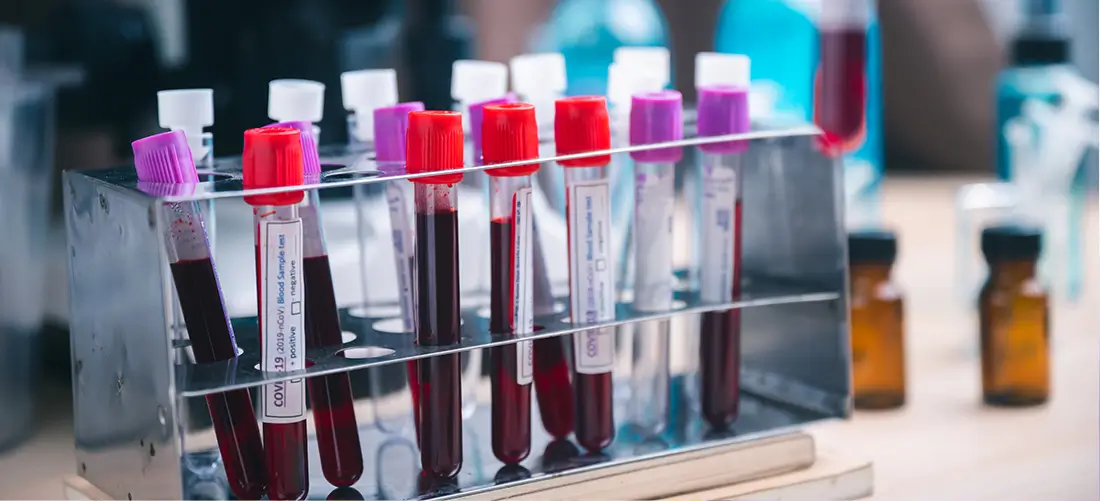
- Serology Tests: Blood samples used to identify past infections and antibody presence
The testing methodology continues to evolve, with ongoing improvements in sample collection techniques, testing accuracy, and result turnaround times. Healthcare providers select the most appropriate testing approach based on individual patient needs, clinical settings, and specific diagnostic requirements.
Requirements and Access in Los Angeles
Los Angeles County COVID-19 provides comprehensive testing resources that make COVID-19 diagnostic services accessible to all residents. Testing availability in Los Angeles has been strategically designed to ensure widespread access, regardless of individual circumstances or healthcare coverage.
Testing Access Points
Multiple testing options are available throughout Los Angeles, including:
- Public health clinics
- Community testing centers
- Mobile testing units
- Select pharmacies and urgent care facilities
- Healthcare provider offices
Eligibility and Requirements
According to the county’s guidelines, COVID-19 testing is available to all residents without discrimination. Key accessibility features include:
- No-cost testing for all individuals
- No requirements related to insurance status
- No documentation or immigration status restrictions
- Walk-in and appointment-based testing options
Most testing sites require minimal preparation. Individuals should:
- Bring a valid photo ID (when possible)
- Wear a mask
- Follow current health guidelines
- Arrive at designated testing location
The Los Angeles testing infrastructure continues to prioritize convenience, offering multiple collection methods and locations to accommodate diverse community needs. From drive-through testing centers to neighborhood clinics, residents have numerous options for obtaining accurate and timely COVID-19 diagnostic services.
For the most current testing locations and requirements, individuals are encouraged to check official Los Angeles County health department resources or contact local healthcare providers directly. Testing strategies remain adaptive, responding to evolving public health recommendations and community needs.
Key Risks, Limitations, and Best Practices
National Center for Biotechnology Information highlights critical considerations surrounding COVID-19 diagnostic testing. Test accuracy remains a complex challenge, with various factors potentially influencing test results and potentially leading to misinterpretation of an individual’s infection status.
Common Testing Risks
COVID-19 tests present several potential limitations:
- False Negative Results: Possibility of undetected infection
- False Positive Results: Potential unnecessary quarantine
- Timing of Test: Viral load affects detection accuracy
- Sample Collection Quality: Impacts test reliability
Mitigation Strategies
According to the FDA, understanding test limitations is crucial for effective management. Best practices include:
- Repeat testing for confirmation
- Combine test results with clinical symptoms
- Understand specific test type characteristics
- Follow recommended testing timelines
Professional healthcare providers recommend a comprehensive approach to testing that considers:
- Individual risk factors
- Exposure history
- Current health status
- Specific testing methodology
The most effective COVID-19 testing strategy involves multiple layers of assessment, recognizing that no single test provides absolute certainty. Individuals should remain informed, consult healthcare professionals, and follow recommended guidelines for testing and potential follow-up procedures.
Take Control of Your COVID-19 Testing Needs with Centra Diagnostics
The detailed guide on COVID-19 testing highlights the challenge of accessing accurate and timely diagnostic services in a rapidly changing health landscape. Understanding molecular (PCR) and antigen testing methods is crucial, but you also need a trusted partner who delivers fast results, reliable support, and advanced technology. Whether you are a patient or a healthcare provider in Los Angeles seeking clarity and confidence in your COVID-19 testing, Centra Diagnostics is here to help.
Discover how Centra Diagnostics offers cutting-edge COVID-19 testing services that align perfectly with the concepts explored in the article. With our first-in-class turnaround times and focused patient care, you can make informed decisions faster and reduce uncertainty. Visit Centra Diagnostics to explore our comprehensive testing options, and learn why many trust Centra for accuracy and personalized service. Ready to get tested or provide trusted diagnostics to your community? Act now to experience the peace of mind that comes with expert COVID-19 testing from Centra.
Learn more about our advanced offerings at Centra Diagnostics and take the next step toward better health today.
Frequently Asked Questions
What is the primary purpose of COVID-19 testing?
COVID-19 testing is primarily used to detect the presence of SARS-CoV-2, the virus responsible for COVID-19. It helps confirm active infections, assess transmission risks, guide treatment decisions, and support public health efforts.
What types of COVID-19 tests are available?
The main types of COVID-19 tests are molecular (PCR) tests, which detect viral RNA for accurate diagnosis, and antigen tests, which identify viral proteins for quicker results. Additionally, antibody tests can determine if someone has had a past infection.
How are COVID-19 tests performed?
COVID-19 tests are typically performed through sample collection methods such as nasal swabs, throat swabs, or saliva collection. The choice of method can depend on the type of test being used and the specific circumstances of the patient.
What are the limitations of COVID-19 testing?
COVID-19 testing has limitations, including the possibility of false negatives and false positives. Factors such as timing of the test and the quality of sample collection can influence accuracy. Therefore, understanding these limitations is crucial for effective management of COVID-19.