More than 70 percent of American adults will experience a diagnostic test in their lifetime, yet many are unaware of how vital these tools are in disease prevention. Accurate diagnostics help doctors identify health risks before problems worsen, offering a pathway to targeted care and better health. By understanding how diagnostics shape early detection, patient outcomes, and long-term well-being, you gain insight into why these advancements remain at the heart of modern American healthcare.
Table of Contents
- Defining Diagnostics In Disease Prevention
- Types Of Diagnostic Testing Methods
- Early Detection And Reducing Disease Spread
- Impact On Patient Care And Outcomes
- Challenges And Considerations For Providers
Key Takeaways
| Point | Details |
|---|---|
| Importance of Diagnostics | Diagnostics are vital in modern healthcare for early disease detection, enabling proactive interventions that improve patient outcomes. |
| Variety of Testing Methods | There are several diagnostic methods including blood tests, imaging techniques, and molecular diagnostics, each offering unique insights into health conditions. |
| Role in Disease Prevention | Early detection through advanced diagnostic technologies helps manage health threats and reduce disease spread, transforming public health response efforts. |
| Challenges for Providers | Rising demand for diagnostics imposes challenges such as staff shortages and outdated equipment, necessitating strategies that enhance efficiency and integration. |
Defining Diagnostics in Disease Prevention
Diagnostics represent the critical foundation of modern healthcare, serving as powerful tools that empower medical professionals to detect, prevent, and manage various health conditions. Diagnostics are essential instruments that allow healthcare providers to identify potential diseases before they escalate, enabling proactive and targeted interventions.
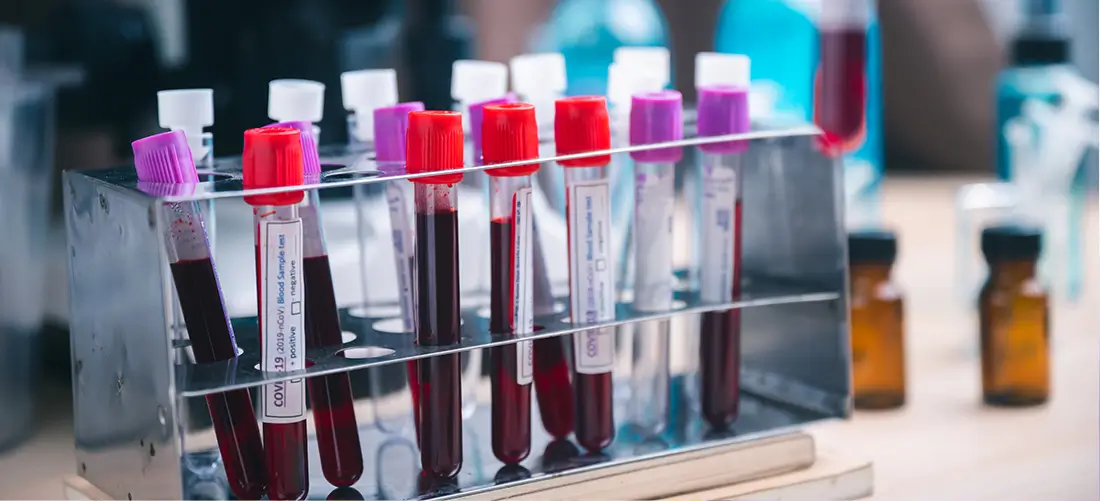
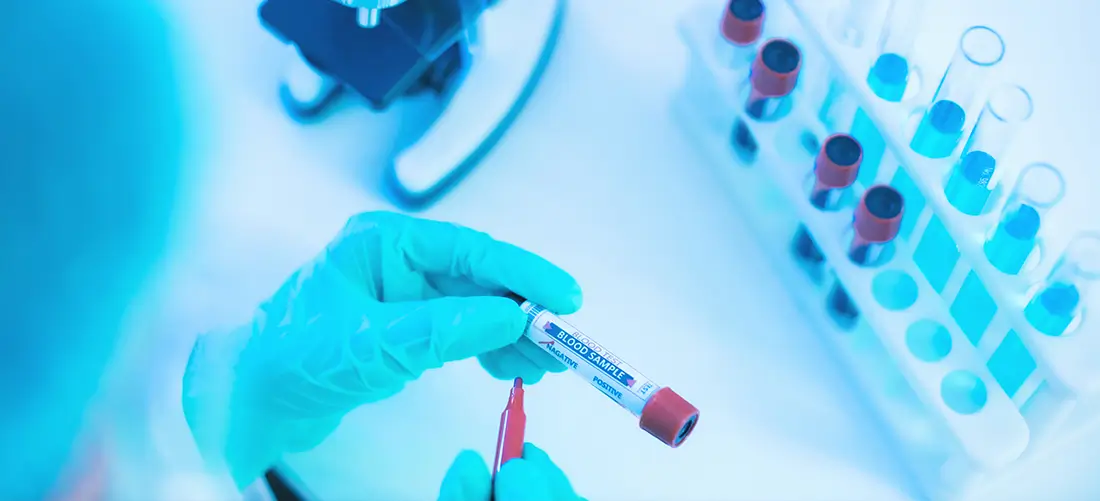
At its core, diagnostic testing encompasses a wide range of medical examinations designed to assess an individual’s health status. These tests provide comprehensive insights into physiological functioning, detecting abnormalities, screening for potential risks, and establishing baseline health measurements. From blood work and molecular testing to advanced imaging techniques, diagnostics offer a nuanced understanding of an individual’s medical profile, allowing healthcare professionals to make informed decisions about treatment and prevention strategies.
The strategic implementation of diagnostic services plays a transformative role in healthcare delivery. Timely and effective diagnostic services are critical for reducing treatment waiting times, improving health outcomes, and ultimately minimizing long-term healthcare costs. By identifying potential health risks early, diagnostic testing enables medical professionals to develop personalized prevention plans, monitor chronic conditions, and intervene before complications arise.
Key benefits of comprehensive diagnostic approaches include:
- Early detection of potential health risks
- Personalized medical interventions
- Precise tracking of health progression
- Reduction of unnecessary medical procedures
- Enhanced patient outcomes through proactive healthcare management
Types of Diagnostic Testing Methods
Diagnostic testing encompasses a diverse array of medical examination techniques designed to provide comprehensive insights into an individual’s health status. Diagnostic methods range from in vitro to in vivo tests, each offering unique capabilities for detecting and monitoring various health conditions with remarkable precision and effectiveness.
Biochemical detection methods represent a sophisticated category of diagnostic approaches that leverage advanced scientific techniques to analyze biological samples. These techniques include enzymatic, immunological, and molecular diagnostic strategies, utilizing specialized technologies like enzyme-linked immunosorbent assays (ELISA), polymerase chain reaction (PCR), and spectrophotometry. Such methods enable healthcare professionals to identify microscopic changes, detect genetic markers, and assess physiological processes with unprecedented accuracy.
The spectrum of diagnostic testing methods can be broadly categorized into several key classifications:
- Blood-based Tests: Comprehensive analyses of blood composition, including complete blood counts, metabolic panels, and specialized screenings
- Imaging Techniques: Advanced visualization methods such as X-rays, CT scans, MRI, and ultrasound
- Molecular Diagnostics: Genetic and genomic testing to identify specific disease markers
- Immunological Tests: Assessment of immune system functioning and potential pathological conditions
Additionally, modern diagnostic approaches incorporate cutting-edge technologies like electrochemical sensing and lateral flow assays, which provide rapid, precise, and minimally invasive methods of health assessment. These innovative techniques empower healthcare providers to detect potential health risks early, enabling proactive and personalized medical interventions that can significantly improve patient outcomes.
Early Detection and Reducing Disease Spread
Disease prevention begins with understanding the critical role of early detection in managing potential health threats. Rapid point-of-care tests for infectious diseases have revolutionized our ability to quickly identify and respond to emerging health risks, providing healthcare professionals with powerful tools to intercept and mitigate potential outbreaks before they escalate.

The strategic implementation of advanced diagnostic technologies plays a pivotal role in public health management. Accessible and accurate diagnostics are crucial for epidemiological surveillance, enabling healthcare systems to track, monitor, and control the spread of infectious diseases. Specialized testing methods like nucleic acid amplification tests (NAATs) and lateral flow serologic tests offer unprecedented speed and precision in identifying potential health threats, allowing for immediate intervention and comprehensive disease management.
Key strategies for effective early detection and disease spread reduction include:
- Implementing widespread screening programs
- Utilizing advanced molecular diagnostic techniques
- Developing real-time data transmission systems
- Establishing rapid response protocols
- Creating comprehensive public health communication networks
By integrating cutting-edge diagnostic technologies with proactive healthcare approaches, medical professionals can create a robust defense mechanism against potential disease outbreaks. These innovative strategies not only help identify health risks at their earliest stages but also empower communities to take swift, targeted actions that can prevent widespread transmission and protect public health.
Impact on Patient Care and Outcomes
Diagnostic testing fundamentally transforms the landscape of patient care by providing healthcare professionals with precise, actionable insights into an individual’s health status. Timely and effective diagnostic services are critical for delivering high-quality medical care, enabling healthcare providers to make informed decisions that directly impact patient outcomes and treatment strategies.
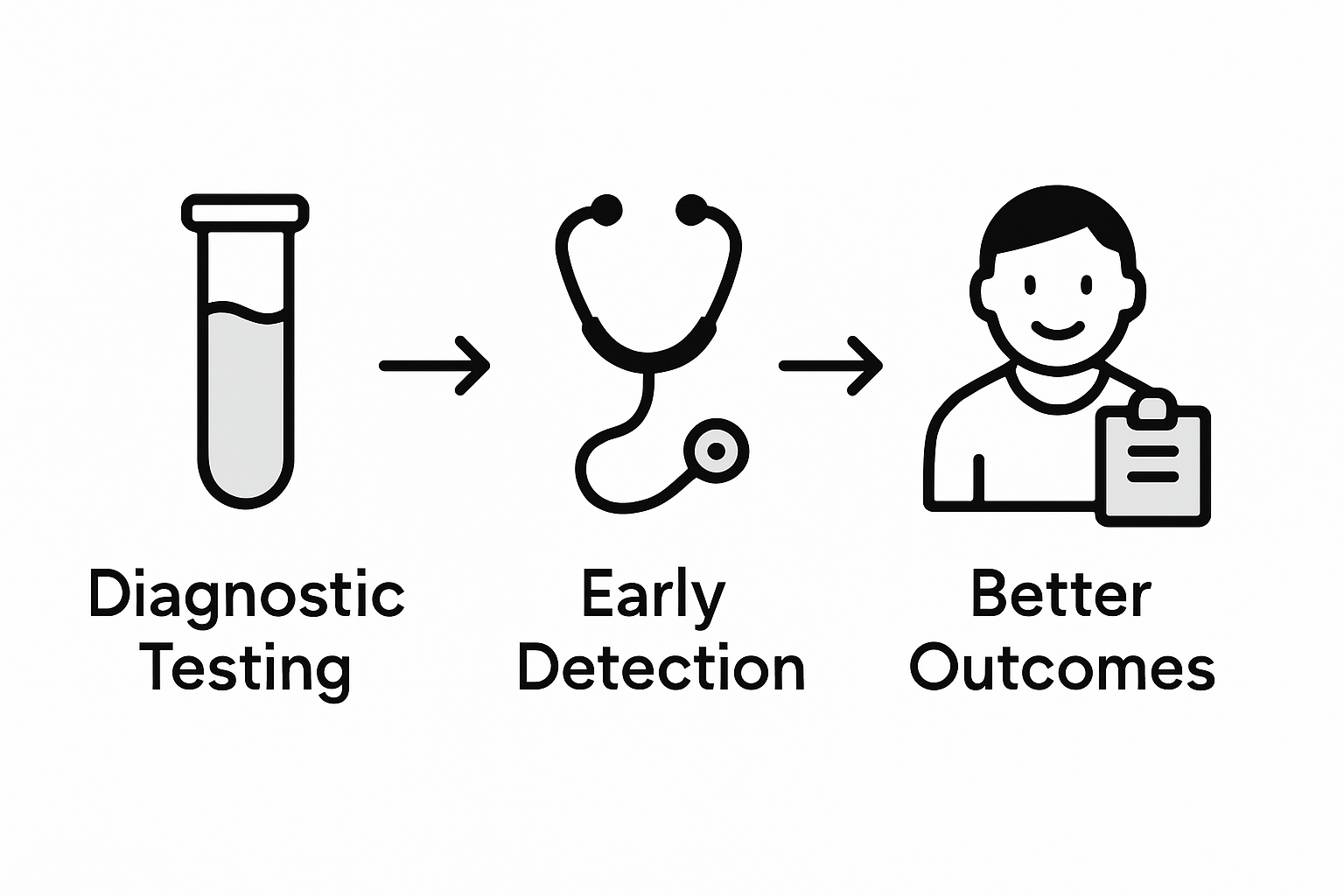
Personalized medical interventions emerge as a direct result of advanced diagnostic capabilities, allowing healthcare professionals to develop targeted treatment plans that address each patient’s unique physiological characteristics. By identifying potential health risks early, diagnostic testing enables proactive healthcare management, reducing the likelihood of complex medical complications and minimizing invasive treatment procedures. This approach shifts healthcare from a reactive model to a preventative strategy, empowering patients with comprehensive understanding of their health trajectory.
Key impacts of advanced diagnostic testing on patient care include:
- Early identification of potential health risks
- Development of personalized treatment protocols
- Reduction of unnecessary medical interventions
- Enhanced precision in medical decision-making
- Improved long-term patient health management
Moreover, diagnostic testing serves as a critical bridge between patient experience and medical expertise, transforming raw medical data into meaningful insights that guide comprehensive healthcare strategies. By providing detailed, nuanced information about an individual’s health, diagnostics enable a more collaborative, transparent approach to medical care, where patients become active participants in their own health management journey.
Challenges and Considerations for Providers
Rising demand for diagnostic services presents significant challenges for healthcare providers, particularly in managing complex operational and technological requirements. The diagnostic landscape is increasingly complex, with providers facing unprecedented pressures to deliver accurate, timely testing while navigating resource constraints and evolving technological capabilities.
Diagnostic stewardship emerges as a critical framework for addressing systemic challenges in healthcare delivery. Implementing effective diagnostic protocols requires addressing multiple interconnected challenges, including ensuring appropriate test ordering, integrating diagnostic data into clinical workflows, and providing comprehensive training for healthcare professionals. These considerations demand a strategic approach that balances technological innovation with practical clinical implementation.
Key challenges confronting diagnostic service providers include:
- Persistent staff shortages across specialized diagnostic disciplines
- Inadequate and outdated diagnostic equipment
- Complex data integration requirements
- Increasing technological complexity
- Financial constraints limiting technological upgrades
Successful navigation of these challenges requires a multifaceted approach that combines technological innovation, continuous professional development, and strategic resource allocation. Healthcare providers must develop adaptive strategies that embrace emerging diagnostic technologies while maintaining a patient-centered focus, ultimately transforming potential obstacles into opportunities for enhanced medical care.
Enhance Your Disease Prevention Strategies with Advanced Diagnostic Solutions
The article highlights the critical challenges of early disease detection and the urgent need for precise, rapid diagnostic testing to improve healthcare decisions. Pain points such as the demand for accurate molecular diagnostics, timely results, and personalized patient care are at the forefront. At Centra Diagnostics, we specialize in delivering cutting-edge testing services including molecular testing, blood work, and COVID-19 screening designed to meet these exact needs. Our commitment to first-in-class turnaround times and innovative technology empowers healthcare professionals to intervene early, personalize treatment plans, and reduce disease spread.
Experience healthcare diagnostics that transform complex data into actionable insights. Our dedicated client management ensures seamless integration of test results into clinical workflows, helping to overcome challenges like diagnostic stewardship and limited resources. Centra Diagnostics supports both companies and individual patients striving to make informed, proactive health decisions.
Discover how our advanced diagnostic services can strengthen your approach to disease prevention and patient care. Visit Centra Diagnostics to learn more and connect with our live support team today.
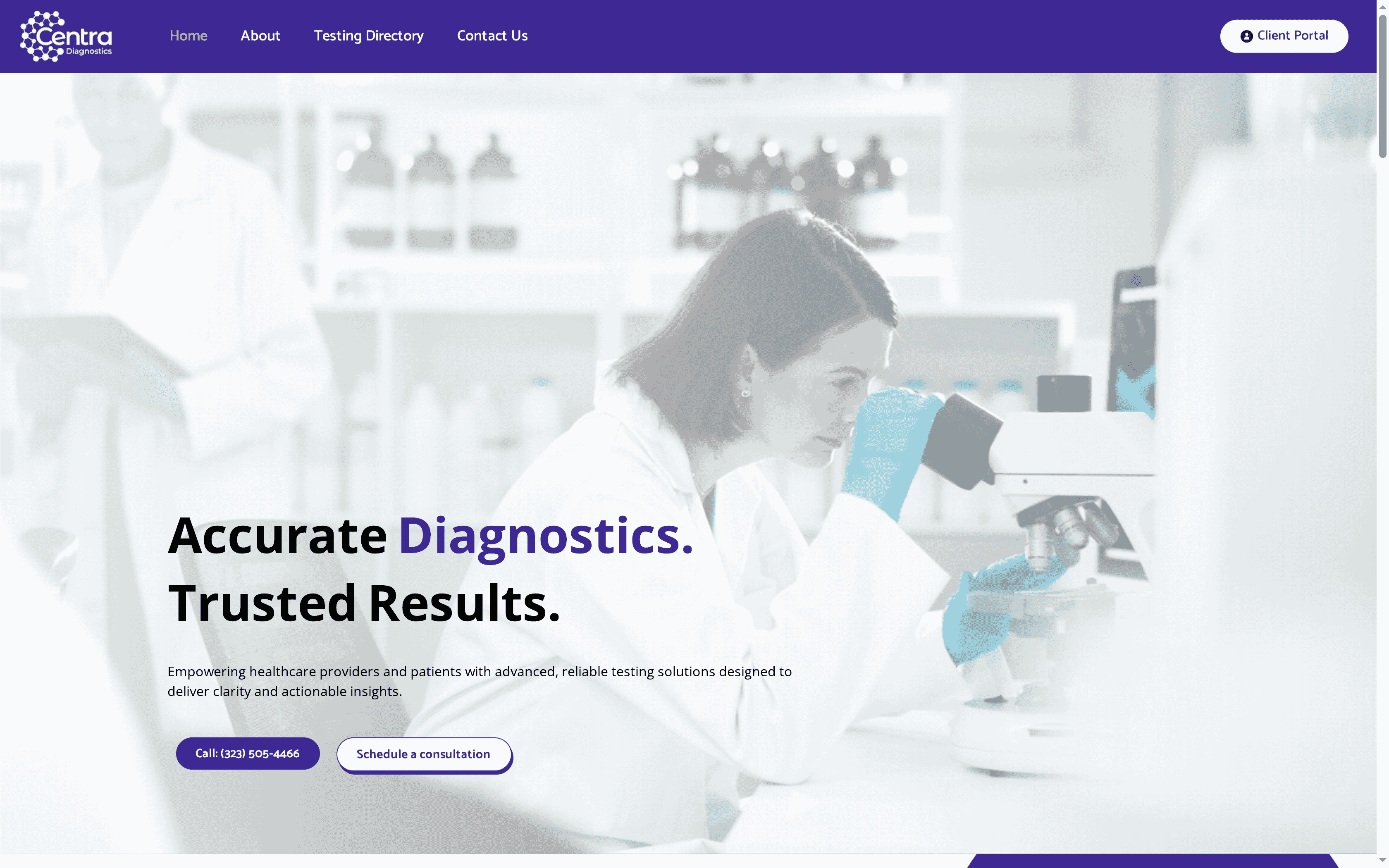
Take the next step toward better healthcare decision-making by partnering with a diagnostics lab that understands the critical role of early detection. Explore our comprehensive offerings at Centra Diagnostics and see the difference precision testing can make in your prevention efforts.
Frequently Asked Questions
What are diagnostics in the context of disease prevention?
Diagnostics are tools and tests used in healthcare to identify potential diseases early, allowing for proactive management and targeted interventions to improve health outcomes.
How do diagnostic tests contribute to personalized medical interventions?
Diagnostic tests provide detailed insights into an individual’s health status, enabling healthcare providers to create tailored treatment plans that address unique physiological characteristics and risks.
What are some common types of diagnostic testing methods?
Common diagnostic testing methods include blood-based tests, imaging techniques (such as X-rays and MRIs), molecular diagnostics (like genetic testing), and immunological tests that assess immune system function.
Why is early detection important in disease prevention?
Early detection is crucial in disease prevention as it allows healthcare professionals to identify potential health risks before they escalate, enabling timely interventions that can reduce complications and enhance patient outcomes.