Nearly one third of laboratory errors in american hospitals are linked to mistakes during blood specimen collection and handling. Each step, from verifying patient identity to securing accurate labels, can make the difference between a clear diagnosis and a costly delay. This straightforward guide breaks down the process so healthcare professionals can improve patient safety and ensure reliable results at every stage.
Table of Contents
- Step 1: Confirm Patient Identification And Test Orders
- Step 2: Prepare Collection Site And Required Materials
- Step 3: Collect Blood Sample Using Proper Technique
- Step 4: Label And Secure Blood Specimen Accurately
- Step 5: Transport And Verify Specimen For Lab Analysis
Quick Summary
| Important Insight | Explanation |
|---|---|
| 1. Confirm patient details meticulously | Verify full name, date of birth, and identification numbers to prevent diagnostic errors during blood work. |
| 2. Prepare a clean collection area | Ensure the collection site is organized, well-lit, and has all necessary materials within reach for an efficient blood draw. |
| 3. Use proper venipuncture techniques | Follow established procedures for blood collection, including the correct needle size and filling sequence to obtain reliable specimens. |
| 4. Label specimens immediately and accurately | Clearly label blood specimen tubes with patient data to ensure correct identification and tracking during laboratory analysis. |
| 5. Transport samples under optimal conditions | Use the appropriate transport methods to maintain sample integrity, and verify details upon arrival at the lab for accurate testing. |
Step 1: Confirm patient identification and test orders
Confirming patient identification and test orders represents a critical first stage in the blood work procedure that ensures accurate diagnostic testing. This step prevents potential errors and guarantees that each patient receives the correct diagnostic evaluation.
Begin by carefully verifying the patient’s full legal name, date of birth, and unique medical record or identification number. Healthcare professionals should cross reference these details against the original test order form and the patient’s government issued photo identification. The guide to ordering blood work recommends comparing multiple identification sources to minimize potential mistakes.
Pay special attention to demographic details and verify the specific blood tests ordered by the requesting healthcare provider. Confirm that the test requisition includes complete patient information, accurate billing codes, and precise diagnostic testing requirements. A careful double check at this stage can prevent downstream errors that might compromise test results or patient care.
Always maintain a systematic approach when validating patient information. Use a standardized checklist to ensure no critical details are overlooked during the identification verification process. This methodical strategy helps healthcare professionals maintain the highest standards of diagnostic accuracy and patient safety.
Step 2: Prepare collection site and required materials
Preparing the collection site and gathering required materials sets the foundation for successful blood work specimen collection. This critical step ensures a smooth and efficient testing process that maintains high standards of patient care and diagnostic accuracy.
Accurate laboratory results depend on meticulous preparation. Begin by selecting a clean, well-lit area with comfortable seating for the patient. Arrange a stable surface to organize your collection materials including sterile blood collection tubes, needles, tourniquet, alcohol swabs, gauze, medical tape, and disposal containers. Verify that all equipment is unopened and within its expiration date.
Ensure all necessary specimen collection containers are properly labeled with patient identification information before beginning the procedure. Have a completed requisition form readily available and confirm the specific testing requirements. Double check that you have the correct tube types for each ordered test, as different diagnostic panels require specific collection tubes with specialized additives.
Maintain a clean and organized workspace to minimize contamination risks. Wear appropriate personal protective equipment including gloves and consider having additional backup supplies nearby. This systematic approach helps healthcare professionals execute blood draws efficiently and professionally while prioritizing patient comfort and specimen integrity.
Step 3: Collect blood sample using proper technique
Collecting a blood sample requires precision, skill, and adherence to professional medical protocols. This critical step involves obtaining a high quality specimen that ensures accurate diagnostic testing and patient safety.
When obtaining multiple tubes of blood, healthcare professionals should use an evacuated tube system with a specialized needle and tube holder. Begin by applying a tourniquet approximately 3 to 4 inches above the selected venipuncture site. Carefully palpate the patient’s arm to identify an appropriate vein, typically in the antecubital area, looking for a vein that appears straight and has good blood flow.
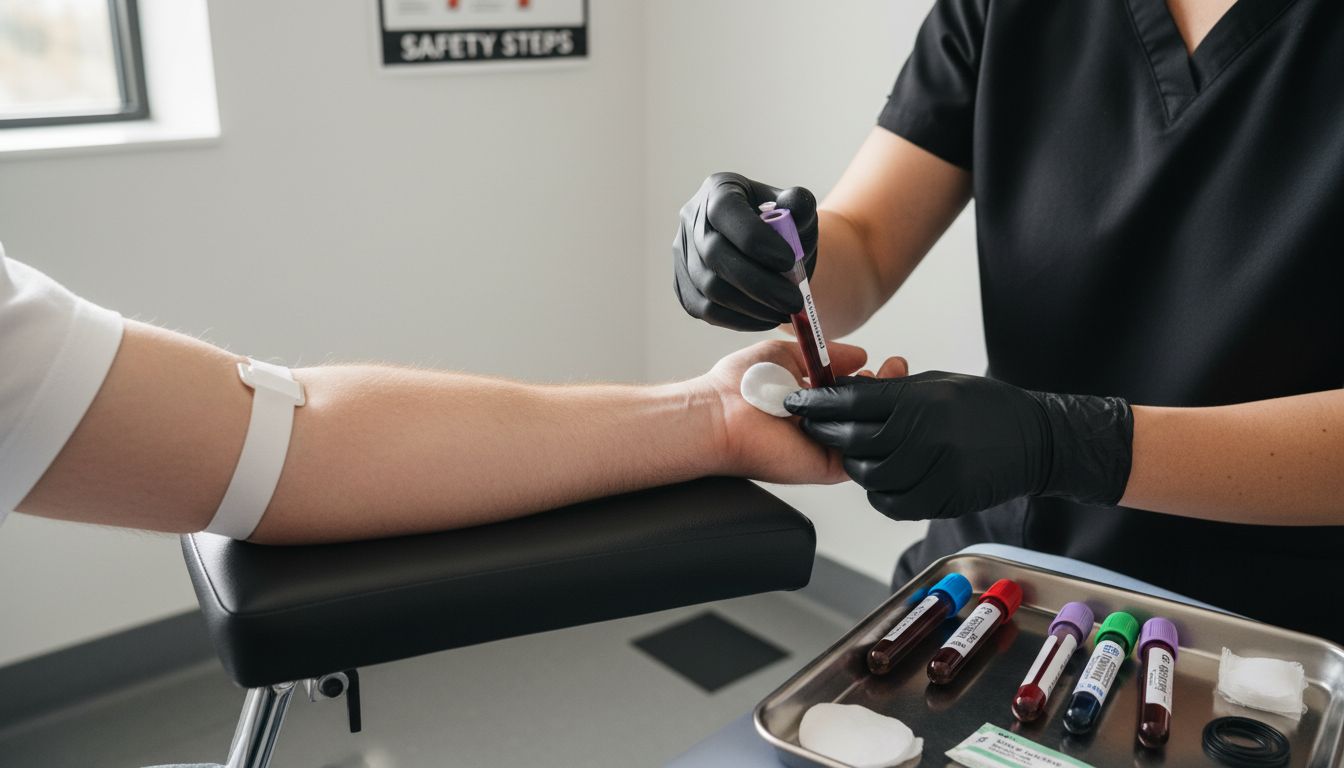
Clean the selected venipuncture site thoroughly with an alcohol swab using a circular motion from the center outward. Allow the site to air dry completely to prevent contamination and ensure proper antiseptic effectiveness. Select the appropriate needle size based on the patient’s vein characteristics and the specific blood collection requirements. Perform the venipuncture with a smooth, confident motion, ensuring the bevel of the needle is facing upward during insertion.
As you collect the blood sample, maintain a steady hand and carefully fill each tube in the correct sequence. Different tubes may require specific filling volumes or contain specialized additives for various diagnostic tests. After completing the blood draw, remove the tourniquet immediately and apply gentle pressure to the puncture site with sterile gauze to prevent bruising and promote quick healing. This methodical approach helps healthcare professionals obtain reliable specimens while minimizing patient discomfort.
Step 4: Label and secure blood specimen accurately
Proper labeling and securing of blood specimens are fundamental to maintaining diagnostic integrity and preventing potential errors in laboratory processing. This critical step ensures that each sample can be accurately tracked and analyzed.
After collecting the blood sample, label the laboratory sample tubes immediately. Use a permanent marker or pre printed labels to record essential patient information including full name, date of birth, medical record number, collection date and time, and the specific healthcare provider requesting the test. Ensure that all writing is clear, legible, and positioned in a consistent location on each tube.
Secure the labeled specimens in an appropriate biohazard transport container, maintaining proper temperature and orientation to preserve sample quality. Organize the tubes systematically to prevent potential mixing or cross contamination. Attach the corresponding requisition form in a separate sealed compartment of the transport container, keeping it protected from potential specimen leakage while remaining easily accessible for laboratory staff.
Take extra precautions when handling and transporting blood specimens. Wear personal protective equipment, use leak proof containers, and follow established medical protocols for specimen management. This meticulous approach helps healthcare professionals maintain the highest standards of patient safety and diagnostic accuracy throughout the laboratory testing process.
Step 5: Transport and verify specimen for lab analysis
Transporting and verifying blood specimens represents a critical phase in maintaining the accuracy and reliability of diagnostic testing. This step ensures that collected samples reach the laboratory in optimal condition for precise analysis.
Ensure that the sample is transported to the laboratory under appropriate conditions to maintain its integrity. Begin by checking the specimen container for any signs of damage or leakage before transportation. Use specialized medical transport containers that maintain the required temperature and protect the samples from external contaminants. Different types of blood tests may require specific transportation conditions such as refrigeration or immediate processing.
Upon arrival at the laboratory, perform a comprehensive verification process. Confirm that each specimen matches its corresponding requisition form and patient identification details. Check the sample for adequate volume, proper tube type, and any visible signs of compromised quality such as hemolysis or improper mixing. Validate that all collection protocols have been followed correctly and that the specimen meets the laboratory’s acceptance criteria.
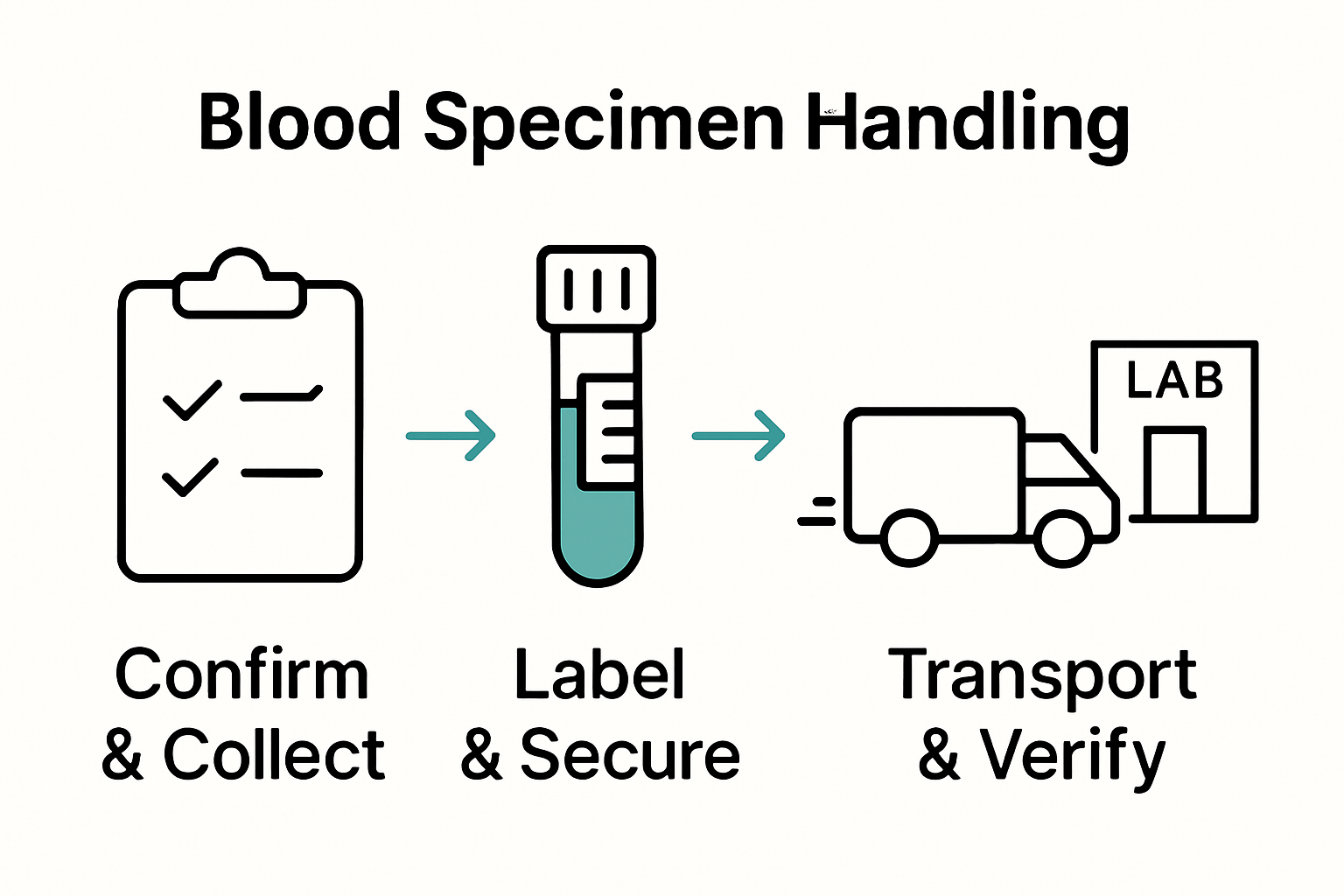
Document the transportation and receipt process meticulously, recording the time of collection, transportation, and laboratory receipt. Any discrepancies or potential issues should be immediately reported to the supervising medical professional. This careful approach ensures the highest standards of diagnostic accuracy and patient care throughout the specimen handling process.
Ensure Accuracy and Confidence in Every Blood Work Procedure
Managing the detailed steps required for accurate blood work can be challenging. From patient identification and specimen collection to proper labeling and transportation, each phase demands precision to prevent errors that affect diagnoses and treatment. If you value reliability and fast turnaround times alongside strict adherence to best practices, Centra Diagnostics is ready to support your healthcare decisions.
Experience the difference with our advanced blood work services that prioritize:
- Rigorous verification processes to avoid specimen mix-ups
- State-of-the-art collection and handling protocols
- Dedicated client management ensuring smooth communication

Take control of your diagnostic outcomes today by partnering with Centra Diagnostics. Visit Centra Diagnostics now to explore our comprehensive testing solutions that align with industry-leading procedures detailed in “Blood Work Procedure Steps for Accurate Lab Results.” For expert guidance and reliable laboratory results, start with our blood work services designed to empower healthcare professionals and patients alike.
Frequently Asked Questions
What are the first steps to ensure accurate blood work results?
The first steps to ensure accurate blood work results involve confirming patient identification and test orders. Verify the patient’s full legal name, date of birth, and identification number against the test order and their government-issued ID.
How can I prepare the collection site for blood work?
To prepare the collection site, select a clean and well-lit area, organizing all necessary materials like sterile tubes and needles. Ensure everything is unopened and within the expiration date to uphold standards for patient care.
What technique should be used to collect blood samples properly?
When collecting blood samples, use a proper venipuncture technique with an evacuated tube system and a sterile needle. Apply a tourniquet, identify a suitable vein, and collect the sample while maintaining a steady hand to minimize discomfort.
How should blood specimens be labeled and secured?
Blood specimens should be labeled immediately after collection with essential patient information, ensuring legibility. Secure the labeled tubes in a biohazard transport container to maintain sample quality during transport.
What procedures should I follow for transporting blood samples to the lab?
For transporting blood samples, ensure they are in a specialized medical transport container that maintains the required conditions. Verify the specimens against the requisition form upon arrival to ensure they meet lab acceptance criteria.
How can transportation and verification impact lab results?
Transportation and verification of blood specimens are critical as they ensure the samples are intact and meet laboratory standards. Document all aspects of the transport process and report any discrepancies immediately to maintain diagnostic accuracy.