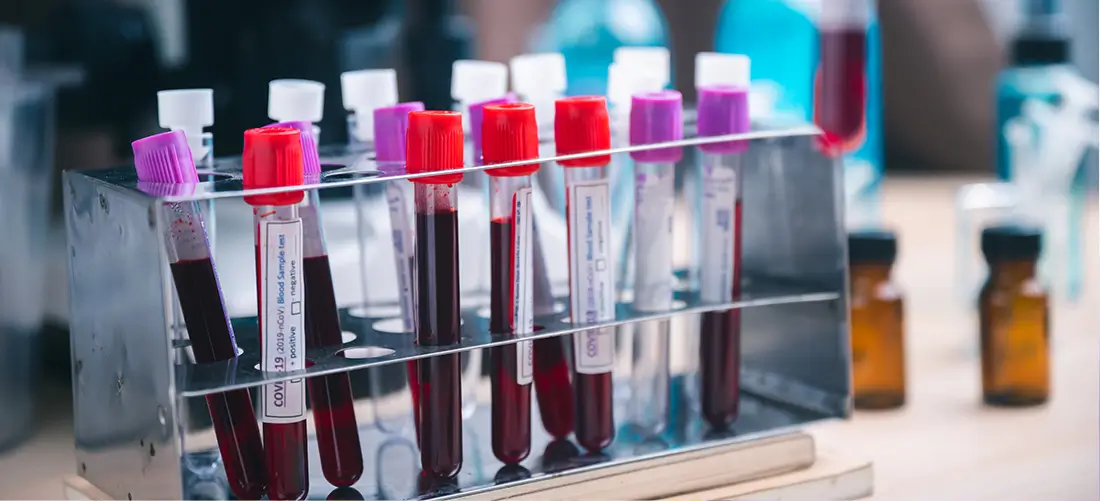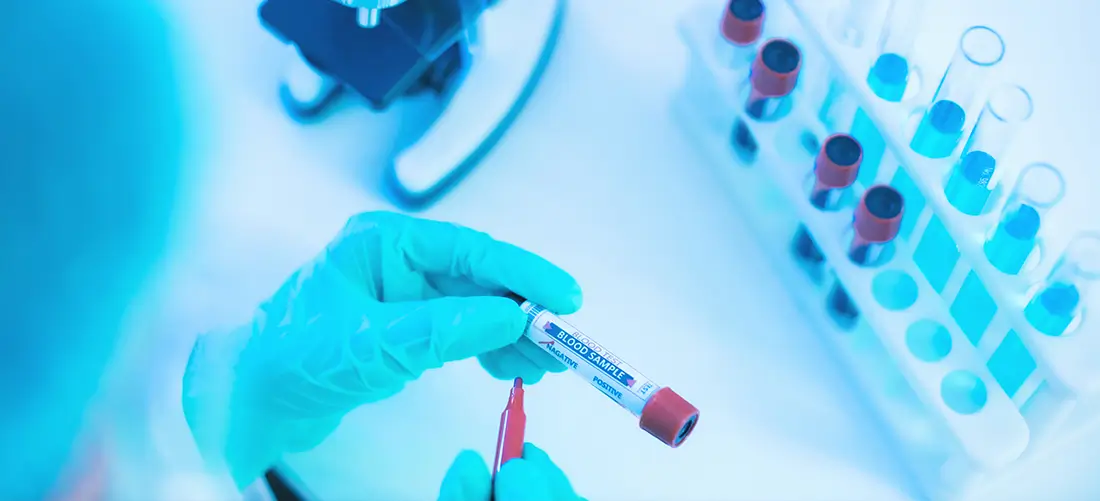
Over one third of American adults report confusion or anxiety after receiving medical information from healthcare providers. Clear communication is not just a courtesy, it is a cornerstone of effective healthcare diagnostics across the United States. When patients understand their options, risks, and results, trust grows and outcomes improve. This guide uncovers practical, research-backed strategies that help American healthcare providers deliver diagnostic excellence at every step.
Table of Contents
- 1. Prioritize Clear Patient Communication and Consent
- 2. Use Cutting-Edge Diagnostic Technologies
- 3. Ensure Rigorous Sample Collection Procedures
- 4. Maintain Strict Quality Control Standards
- 5. Interpret Test Results With Clinical Context
- 6. Deliver Fast Turnaround Times for Results
- 7. Support Ongoing Education for Healthcare Teams
Quick Summary
| Key Insight | Explanation |
|---|---|
| 1. Clear Communication is Essential | Establishing trust through clear explanations helps patients make informed decisions about their health. |
| 2. Invest in Advanced Technologies | Utilizing cutting-edge diagnostic tools enhances accuracy and improves patient outcomes in diagnostics. |
| 3. Prioritize Quality Control Procedures | Strict quality control ensures reliable diagnostic results, vital for effective patient care. |
| 4. Fast Turnaround Times Enhance Care | Quicker results allow for timely medical interventions, potentially saving lives. |
| 5. Ongoing Education for Healthcare Professionals | Continuous learning keeps healthcare teams up to date with the latest diagnostic technologies and methods. |
1. Prioritize Clear Patient Communication and Consent
Effective patient communication is the foundation of ethical and successful healthcare diagnostics. Establishing a transparent dialogue helps patients understand complex medical procedures and empowers them to make informed decisions about their health.
Healthcare providers must recognize that communication is more than simply delivering information it requires creating an environment of trust and comprehension. Research shows that patients who receive clear explanations are more likely to comply with diagnostic recommendations and feel more comfortable during medical testing. In fact, a systematic review from the National Library of Medicine demonstrates that interventions like extended discussions and audiovisual programs can significantly improve patient understanding.
Key Communication Strategies:
- Use simple, straightforward language
- Avoid medical jargon
- Explain procedures step by step
- Check for patient comprehension
- Encourage questions and active participation
Practical implementation means breaking down complex medical information into digestible segments. For example, when explaining a blood test, describe the process using everyday language patients can easily grasp. Show them what will happen, why it matters, and what results might reveal about their health.
Consent is not just a legal requirement it is a critical ethical obligation. The American Academy of Pediatric Dentistry emphasizes the importance of comprehensive patient centered communication, which means ensuring patients fully understand risks, benefits, and potential alternatives before any procedure.
Ultimately, clear communication transforms medical interactions from transactional encounters to collaborative health partnerships. By prioritizing transparency, respect, and patient understanding, healthcare providers can build trust and support better diagnostic outcomes.
2. Use Cutting-Edge Diagnostic Technologies
Cutting-edge diagnostic technologies are revolutionizing healthcare by providing faster, more accurate, and more comprehensive testing capabilities. These advanced tools enable medical professionals to detect, diagnose, and treat conditions with unprecedented precision.
One remarkable example of technological innovation is telepathology, which allows pathologists to remotely control microscopes and view slides in real-time. This breakthrough dramatically enhances diagnostic accuracy and speed, particularly in remote or underserved areas where specialized medical expertise might be limited.
Key Technological Advancements:
- Remote diagnostic capabilities
- Advanced imaging technologies
- Rapid pathogen identification systems
- Molecular diagnostic techniques
- Artificial intelligence integration
Advanced technologies like Matrix-Assisted Laser Desorption Ionization Time of Flight Mass Spectrometry (MALDI-TOF MS) are transforming clinical microbiology. These sophisticated systems enable rapid and accurate identification of pathogens, reducing the time required for appropriate treatment and potentially saving lives.
Healthcare providers should continuously invest in and train their teams on emerging diagnostic technologies. This approach not only improves patient outcomes but also demonstrates a commitment to delivering state-of-the-art medical services.
Implementing cutting-edge technologies requires a strategic approach. Start by assessing current diagnostic capabilities, identifying technological gaps, and gradually introducing advanced tools that align with your specific healthcare environment. Prioritize technologies that offer measurable improvements in accuracy, speed, and patient care.
3. Ensure Rigorous Sample Collection Procedures
Accurate diagnostic results depend entirely on the quality of sample collection. A single misstep during collection can compromise entire test results, potentially leading to incorrect medical decisions.
Standardized sample collection procedures are critical for maintaining diagnostic accuracy, requiring meticulous attention to detail and consistent protocols. Healthcare professionals must recognize that sample integrity is the foundation of reliable medical testing.
Key Sample Collection Principles:
- Use sterile collection equipment
- Follow strict contamination prevention protocols
- Document every step of collection process
- Train personnel thoroughly
- Implement quality control measures
In microbiology laboratories, precise sample collection techniques are fundamental for accurate pathogen identification. This involves not just technical skill but a comprehensive understanding of potential sources of error.
Practical implementation means developing systematic training programs that emphasize proper technique. Staff should understand that each sample represents a critical piece of medical information that could influence patient treatment.
Effective sample collection requires continuous education. Medical teams must stay updated on the latest protocols, invest in high quality collection materials, and create a culture of precision and accountability.
Ultimately, rigorous sample collection is about patient safety. By maintaining the highest standards, healthcare providers ensure that diagnostic results are trustworthy and patients receive the most accurate medical insights possible.
4. Maintain Strict Quality Control Standards
Quality control is the backbone of reliable diagnostic testing, serving as a critical safeguard against errors that could compromise patient care. Without rigorous standards, even the most advanced medical technologies can produce unreliable results.
Diagnostic laboratories must implement stringent quality control protocols that ensure every test meets the highest possible accuracy and reliability standards. This involves a comprehensive approach that goes beyond simple equipment maintenance.
Key Quality Control Components:
- Regular equipment calibration
- Systematic proficiency testing
- Standardized procedural protocols
- Comprehensive staff training
- Continuous performance monitoring
Clinical microbiology laboratories require meticulous quality control measures to support accurate pathogen identification, which directly impacts patient treatment strategies. These measures are not optional but essential for maintaining medical integrity.
Practical implementation means creating a culture of precision. Medical teams should develop detailed quality control checklists, conduct regular internal audits, and establish clear accountability mechanisms. Training programs must emphasize the critical nature of each step in the diagnostic process.
Successful quality control requires ongoing commitment. Healthcare providers must invest in continuous education, state of the art equipment, and systematic review processes. By prioritizing quality, laboratories can ensure that every test result provides the most accurate and reliable information possible.
5. Interpret Test Results With Clinical Context
Diagnostic test results are not standalone numbers but complex pieces of a larger medical puzzle. Understanding how to interpret these results requires more than technical analysis it demands a holistic view of patient health.
Healthcare professionals must correlate laboratory findings with comprehensive patient information including medical history, current symptoms, physical examination results, and potential risk factors. This approach transforms raw data into meaningful medical insights.
Critical Contextual Interpretation Elements:
- Patient medical history
- Current clinical symptoms
- Previous diagnostic results
- Demographic and lifestyle factors
- Potential environmental influences
Microbiological test results especially require nuanced interpretation within the broader clinical landscape. A single abnormal reading might signify different conditions depending on the patient’s overall health profile.
Practical interpretation means developing a comprehensive assessment strategy. Medical professionals should create systematic frameworks that encourage looking beyond individual test values. This involves asking critical questions such as how the result relates to the patient’s overall health narrative.
Successful diagnostic interpretation is an art as much as a science. It requires combining technical knowledge with deep understanding of human physiology, individual variations, and the complex interactions within biological systems. By maintaining a holistic perspective, healthcare providers can transform laboratory data into actionable medical insights that truly support patient care.
6. Deliver Fast Turnaround Times for Results
In modern healthcare, speed can be just as critical as accuracy. Rapid diagnostic results can mean the difference between early intervention and delayed treatment, potentially saving lives.
Advanced technologies and strategic process optimization are transforming laboratory efficiency, enabling healthcare providers to dramatically reduce the time between sample collection and result reporting. The goal is not just speed but maintaining high quality standards throughout the process.
Strategies for Accelerating Diagnostic Workflows:
- Implement digital monitoring tools
- Utilize automated testing platforms
- Streamline internal communication protocols
- Invest in cutting edge diagnostic technologies
- Create efficient sample processing systems
Lean Six Sigma methodologies have proven particularly effective in reducing intra laboratory turnaround times, allowing medical teams to identify and eliminate inefficiencies systematically.
Practical implementation requires a multifaceted approach. Healthcare facilities must continuously evaluate their current processes, invest in staff training, and embrace technological innovations that can expedite diagnostic workflows.
Ultimately, fast turnaround times are about more than operational efficiency. They represent a commitment to patient care, reducing anxiety, enabling quicker medical interventions, and supporting more responsive healthcare decision making. By prioritizing speed without compromising accuracy, diagnostic laboratories can significantly improve overall patient outcomes.
7. Support Ongoing Education for Healthcare Teams
Healthcare diagnostics is a dynamic field where knowledge becomes obsolete almost as quickly as it is acquired. Continuous learning is not just recommended it is essential for maintaining high quality patient care.
Ongoing education for healthcare professionals is critical in staying current with emerging diagnostic technologies and methodologies. Medical knowledge expands exponentially, making regular training and skill updates fundamental to professional competence.
Key Components of Effective Medical Education:
- Structured professional development programs
- Attendance at industry conferences
- Regular skills assessment workshops
- Online learning platforms
- Peer knowledge exchange networks
Clinical microbiology teams require consistent training to maintain accurate and timely diagnostic services. This means creating a culture that values continuous learning and professional growth.
Practical implementation involves developing comprehensive education strategies. Healthcare organizations should allocate dedicated resources for training, encourage research participation, and create mentorship programs that facilitate knowledge transfer between experienced professionals and emerging talent.
Successful ongoing education transforms healthcare teams from passive recipients of information to active knowledge creators. By investing in professional development, medical organizations can ensure their diagnostic capabilities remain cutting edge, ultimately improving patient outcomes and advancing medical science.
Below is a comprehensive table summarizing the strategies for improving healthcare diagnostics discussed in the article.
| Strategy | Implementation | Expected Results |
|---|---|---|
| Clear Patient Communication | Use simple language, explain procedures, verify understanding, encourage questions | Builds trust and comfort, improves compliance with recommendations |
| Cutting-Edge Technologies | Implement telepathology, advanced imaging, AI, rapid pathogen ID | Enhances diagnostic accuracy, reduces diagnosis time |
| Rigorous Sample Collection | Use sterile equipment, follow strict protocols, thorough training | Ensures accurate test results, maintains sample integrity |
| Quality Control Standards | Regular equipment calibration, proficiency testing, staff training | Produces reliable results, maintains testing integrity |
| Interpretation with Context | Correlate results with history, symptoms, demographics | Provides meaningful insights, informed decision making |
| Fast Turnaround of Results | Use digital tools, automate testing, streamline processes | Enables quick interventions, reduces patient anxiety |
| Support Ongoing Education | Conduct workshops, use online platforms, peer exchanges | Keeps teams updated, improves diagnostic proficiency |
Elevate Your Diagnostic Outcomes with Centra Diagnostics
Achieving accurate and timely healthcare diagnostics requires clear communication, cutting-edge technology, and rigorous quality control as outlined in the “7 Best Practices in Healthcare Diagnostics for Better Results.” If you are striving to overcome challenges like slow turnaround times, complex test interpretations, or inconsistent sample quality, Centra Diagnostics in Los Angeles delivers solutions tailored to those exact needs. Our advanced molecular testing, toxicology, and blood work services combine precision and speed to empower better healthcare decisions.
Experience the difference of a diagnostics lab that values transparency, rapid results, and continuous innovation. Visit Centra Diagnostics now to discover how we support healthcare providers and patients with first-in-class technology and dedicated client management. Don’t delay critical medical decisions. Partner with Centra Diagnostics today for reliable test results that truly make a difference.
Frequently Asked Questions
What are the key strategies for clear patient communication in healthcare diagnostics?
Effective patient communication involves using simple language, avoiding medical jargon, and explaining procedures step by step. To implement this, encourage questions from patients and verify their understanding before moving forward.
How can healthcare providers ensure accuracy in sample collection procedures?
To maintain the quality of sample collection, follow strict contamination prevention protocols and use sterile equipment. Train all personnel thoroughly and document each step of the collection process to minimize errors.
What steps can be taken to improve the turnaround time for diagnostic test results?
Healthcare facilities can speed up diagnostic workflows by utilizing automated testing platforms and implementing digital monitoring tools. Strive to reduce turnaround times by evaluating current processes and introducing efficient sample processing systems.
How can ongoing education enhance the skills of healthcare teams in diagnostics?
Continuous education is essential for keeping healthcare professionals updated on emerging technologies and methodologies. Establish structured professional development programs and encourage participation in industry conferences to foster a culture of learning.
What role does quality control play in healthcare diagnostics?
Quality control ensures that diagnostic tests meet the highest standards for accuracy and reliability. Implement regular equipment calibration and systematic proficiency testing to maintain consistent quality across all diagnostic processes.