Every American rehabilitation clinic faces the challenge of pinpointing exactly what each patient needs for effective recovery. Diagnostics are the key foundation, offering healthcare professionals measurable data that shapes the future of treatment. With over 60 percent of American rehab facilities investing in advanced diagnostic tools, the landscape of patient care is changing fast. This article breaks down how innovative assessments are making rehabilitation safer, more targeted, and far more effective for every individual.
Table of Contents
- Defining Diagnostics In Rehabilitation Settings
- Types Of Diagnostic Testing Used In Rehab
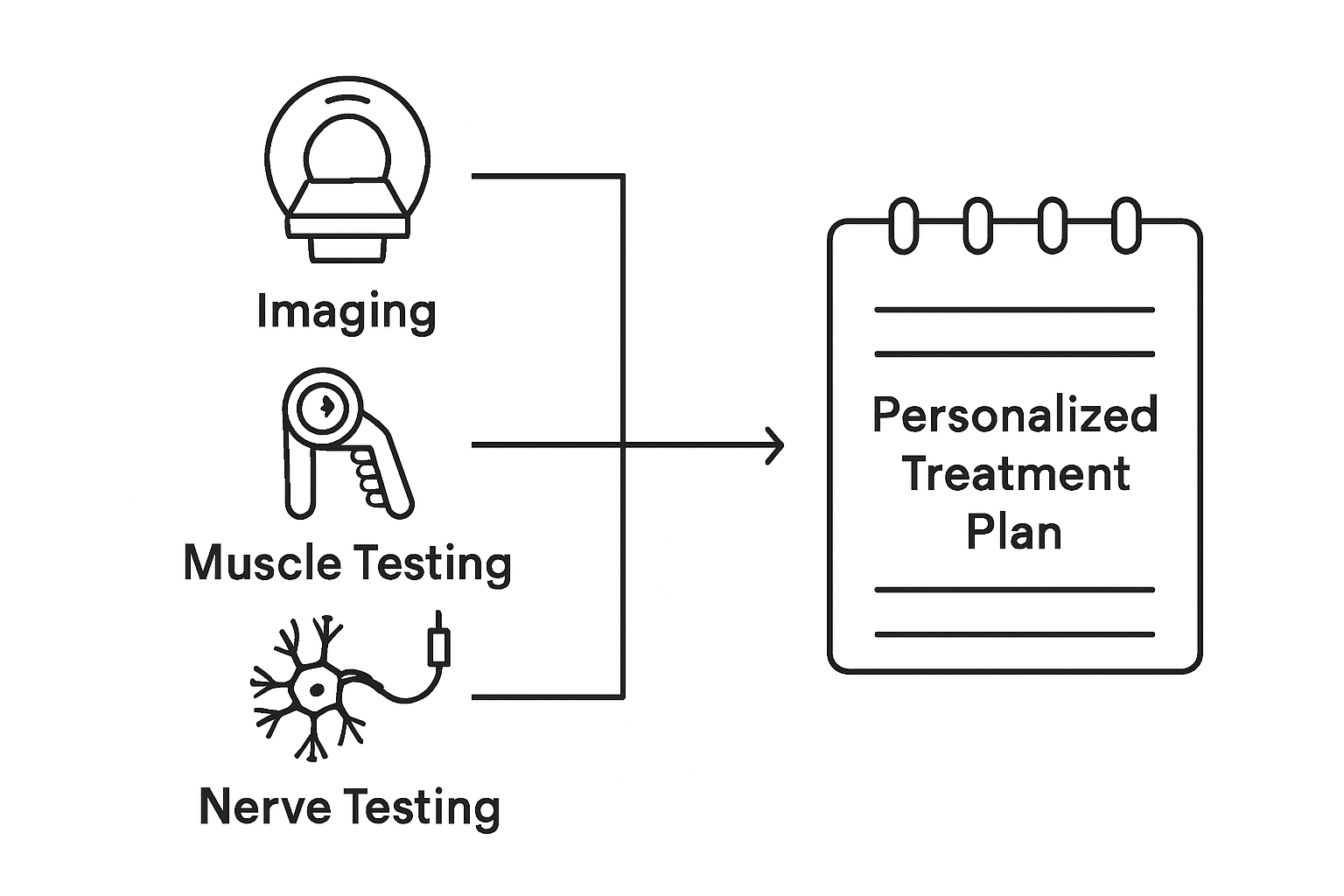
- How Diagnostics Shape Treatment Plans
- Ensuring Safety And Progress Through Testing
- Challenges, Limitations, And Best Practices
Key Takeaways
| Point | Details |
|---|---|
| Importance of Diagnostics | Diagnostics are essential for effective rehabilitation, offering detailed insights into patients’ physical and neurological conditions. |
| Integration of Advanced Tools | Advanced diagnostic tools like Electroneuromyography and Cardiopulmonary Exercise Testing enhance the precision of rehabilitation strategies. |
| Safety and Monitoring | Innovative techniques ensure patient safety by monitoring exercise execution and tracking rehabilitation progress. |
| Challenges in Implementation | Clinicians must navigate practical challenges and variability in assessments to develop robust, patient-centered diagnostic strategies. |
Defining Diagnostics in Rehabilitation Settings
Diagnostics represent the critical first step in creating effective rehabilitation strategies, providing healthcare professionals with precise insights into a patient’s physical and neurological conditions. These sophisticated assessment techniques go far beyond simple medical observations, enabling targeted interventions that can dramatically improve patient outcomes.
In rehabilitation settings, diagnostic tools serve multiple essential functions. Electroneuromyography (ENMG) emerges as a powerful neurophysiological method for studying neuromuscular disorders, offering clinicians granular details about nerve and muscle performance. This advanced technique allows medical professionals to map intricate neurological pathways and identify specific areas of dysfunction with unprecedented precision.
Patient assessment frameworks like the Functional Independence Measure (FIM) provide standardized approaches to tracking rehabilitation progress. These comprehensive evaluation systems help clinicians:
- Establish baseline functional status
- Monitor incremental improvements
- Create personalized treatment plans
- Quantify patient recovery trajectories
By integrating multiple diagnostic modalities, rehabilitation professionals can develop nuanced, data-driven strategies that address each patient’s unique physiological challenges. The convergence of technological innovation and clinical expertise transforms diagnostic practices from mere information gathering to strategic roadmaps for healing and recovery.
Types of Diagnostic Testing Used in Rehab
Rehabilitation professionals rely on a comprehensive array of diagnostic testing methodologies to develop precise, personalized treatment strategies. These sophisticated assessment techniques provide critical insights into a patient’s physiological functioning, enabling targeted interventions that support optimal recovery and performance.
One advanced diagnostic approach is cardiopulmonary exercise testing (CPET), which evaluates the integrated performance of cardiovascular, respiratory, and musculoskeletal systems during physical activity. This comprehensive test allows clinicians to assess exercise tolerance, identify potential limitations, and design rehabilitation protocols that address specific physiological challenges.
Neurological assessments play an equally crucial role in rehabilitation diagnostics. Nerve conduction studies (NCS) represent a powerful diagnostic tool for evaluating motor and sensory nerve function. These studies help medical professionals understand:
- Nerve signal transmission efficiency
- Potential neurological impairments
- Detailed mapping of nerve damage or dysfunction
- Precise localization of neuromuscular issues
By integrating multiple diagnostic modalities, rehabilitation professionals can develop nuanced, data-driven treatment plans. These comprehensive testing approaches transform diagnostic practices from simple information gathering into strategic roadmaps for patient recovery, ensuring that each intervention is precisely tailored to individual physiological needs and recovery goals.
How Diagnostics Shape Treatment Plans
Diagnostic testing transforms rehabilitation from a generalized approach to a precision-driven strategy, allowing healthcare professionals to craft highly personalized treatment plans tailored to each patient’s unique physiological profile. By providing granular insights into a patient’s functional capabilities, diagnostic tools enable clinicians to develop targeted interventions that address specific limitations and optimize recovery potential.
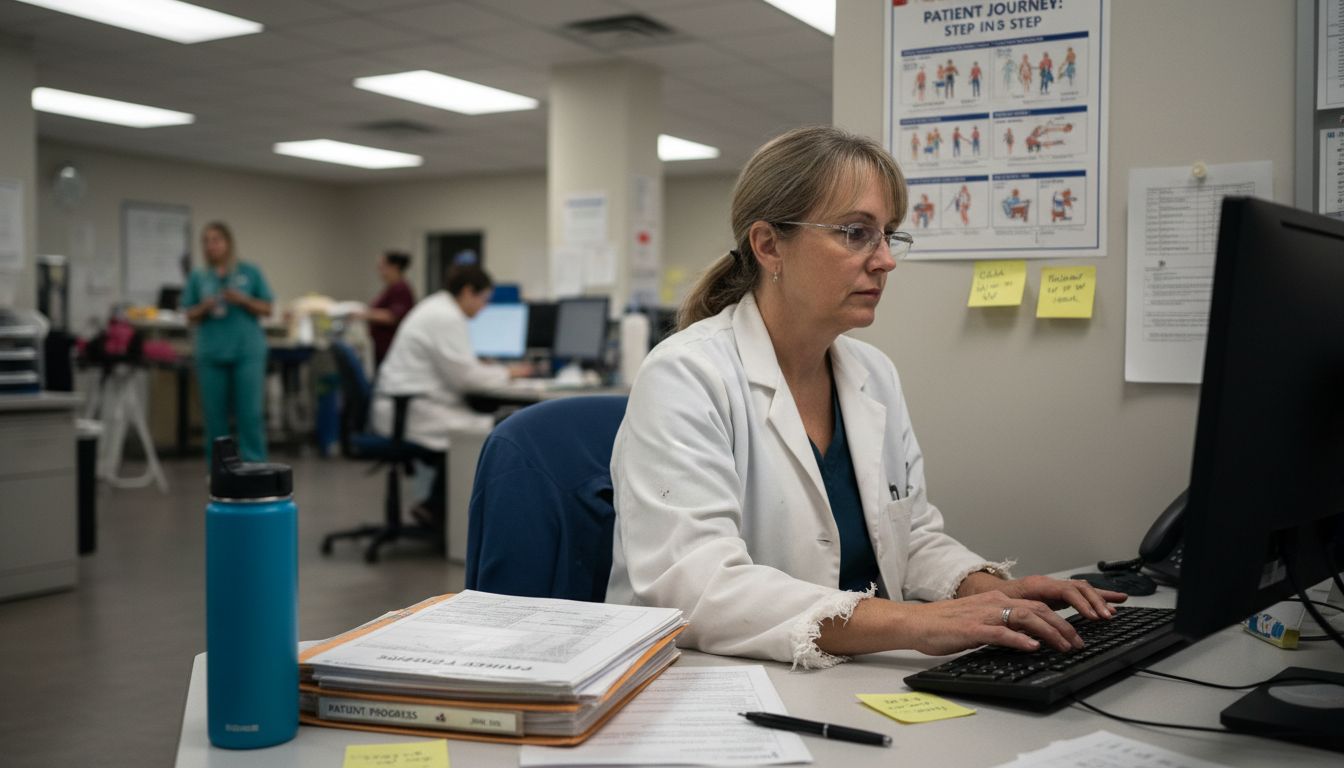
Technological advancements are revolutionizing diagnostic approaches in rehabilitation. Automated fidelity assessment using natural language processing represents a cutting-edge method for enhancing strategy training in inpatient rehabilitation settings. This innovative approach ensures treatment protocols adhere to established principles while providing real-time insights into patient progress and potential areas of improvement.
Advanced diagnostic techniques now incorporate sophisticated technologies that quantify patient performance with unprecedented precision. Classification of movement primitives using wearable sensors and machine learning algorithms exemplifies this approach, particularly in neurological rehabilitation. These advanced diagnostic methods allow clinicians to:
- Capture detailed movement patterns
- Identify subtle functional limitations
- Track incremental improvements
- Design highly personalized rehabilitation protocols
By integrating comprehensive diagnostic data, rehabilitation professionals can move beyond traditional one-size-fits-all treatment models. This data-driven approach transforms rehabilitation from a reactive process to a proactive, strategically designed journey of recovery, ensuring that each patient receives a precisely tailored intervention strategy aligned with their specific physiological needs and recovery goals.
Ensuring Safety and Progress Through Testing
Rehabilitation safety represents a critical cornerstone of effective patient care, requiring sophisticated diagnostic approaches that simultaneously monitor patient performance and prevent potential injuries. Advanced testing methodologies have transformed traditional rehabilitation practices, enabling healthcare professionals to create safer, more precise intervention strategies that protect patients while maximizing their recovery potential.
Automatic classification of knee rehabilitation exercises using inertial sensors and machine learning techniques exemplifies the cutting-edge technological innovations revolutionizing patient safety. These advanced diagnostic tools provide real-time monitoring of exercise execution, allowing clinicians to identify potential risks, correct improper movement patterns, and ensure patients maintain proper form throughout their rehabilitation journey.
Posturography offers another critical diagnostic approach for assessing patient safety and tracking rehabilitation progress. This sophisticated assessment technique helps medical professionals:
- Quantify postural control and balance
- Detect subtle changes in movement mechanics
- Identify potential fall risks
- Monitor neurological and musculoskeletal recovery
- Develop targeted interventions for balance disorders
By integrating these advanced diagnostic technologies, rehabilitation professionals can create a comprehensive safety framework that protects patients while providing the most effective, personalized treatment strategies. The convergence of precise measurement, real-time monitoring, and data-driven insights transforms rehabilitation from a potentially risky process into a carefully controlled, scientifically validated path to recovery.
Challenges, Limitations, and Best Practices
Diagnostic testing in rehabilitation presents a complex landscape of technological innovation and practical challenges that require sophisticated navigation by healthcare professionals. Understanding these nuanced limitations is crucial for developing robust, patient-centered diagnostic strategies that maximize therapeutic effectiveness while maintaining scientific integrity.
Non-immersive virtual reality rehabilitation systems illustrate the delicate balance between technological potential and practical implementation. These innovative approaches introduce significant challenges in patient engagement and outcome measurement, requiring careful assessment to ensure their clinical utility. Clinicians must critically evaluate technological tools, recognizing that cutting-edge solutions do not automatically translate to superior patient outcomes.
Audiometry testing provides another compelling example of diagnostic complexity, highlighting the intricate challenges in rehabilitation assessment. Healthcare professionals must navigate multiple diagnostic considerations:
- Balancing subjective and objective testing methodologies
- Ensuring consistent and reliable measurement techniques
- Mitigating potential measurement errors
- Accounting for individual patient variability
- Developing comprehensive assessment protocols
Best practices in rehabilitation diagnostics demand a multifaceted approach that combines technological sophistication with nuanced clinical judgment. By maintaining a critical perspective, integrating diverse assessment techniques, and continuously refining diagnostic methodologies, healthcare professionals can develop more precise, patient-responsive rehabilitation strategies that address the inherent complexities of human physiological recovery.
Enhance Rehabilitation Outcomes with Precise Diagnostic Insights
Effective rehabilitation relies on accurate and comprehensive diagnostics to tailor treatment plans and monitor patient progress. This article highlights challenges like ensuring safety through real-time monitoring, integrating advanced technologies such as machine learning and neurophysiological assessments, and overcoming limitations in traditional testing. If you aim to achieve clear, data-driven decisions in rehabilitation that maximize recovery potential, you need diagnostic partners who deliver reliability, innovation, and fast results.
At Centra Diagnostics, we support healthcare professionals and patients with advanced testing services including molecular testing, toxicology, and blood work designed to complement rehabilitation strategies. Our cutting-edge technology and first-in-class turnaround times allow clinicians to respond swiftly to critical diagnostic information. Explore how our precision diagnostics can help you create personalized, effective rehabilitation plans by visiting Centra Diagnostics. Start improving patient outcomes today with trusted diagnostics that empower confident healthcare decisions.
Frequently Asked Questions
What are the key roles of diagnostics in rehabilitation?
Diagnostics play a critical role by providing healthcare professionals with precise insights into a patient’s physical and neurological conditions, enabling the development of targeted intervention strategies that improve patient outcomes.
How do diagnostic tests like ENMG and NCS aid in rehabilitation?
Electroneuromyography (ENMG) and Nerve conduction studies (NCS) help clinicians assess neuromuscular function, identifying specific areas of dysfunction and allowing for tailored treatment plans that address individual patient needs.
How can automated diagnostic technologies enhance rehabilitation outcomes?
Automated technologies, such as natural language processing for fidelity assessments and wearable sensors for movement classification, ensure adherence to treatment protocols and enable real-time monitoring of patient progress, leading to more personalized rehabilitation strategies.
What are some challenges faced in rehabilitation diagnostics?
Challenges include balancing subjective and objective measures, ensuring consistent measurement techniques, and accounting for individual patient variability. Addressing these issues requires a multifaceted approach to develop robust assessment protocols.
Recommended
- The Essential Guide to Diagnostics in Patient Care | Centra Diagnostics
- Role of Diagnostics in Disease Prevention: Impact on Healthcare Decisions
- Complete Guide to the Role of Diagnostics in Early Detection | Centra Diagnostics
- Diagnostics Terminology Explained: Essential Guide for 2024 | Centra Diagnostics