More than 60 percent of american adults experience at least one chronic health condition in their lifetime, making early detection a top priority in modern medicine. Catching issues before they become serious gives both patients and providers the chance to act fast and improve outcomes. This overview explains how diagnostics empower medical professionals to spot risks early, highlights the technology behind these tests, and helps clarify why proactive screening can make such a big difference for american families.
Table of Contents
- Defining Diagnostics in Early Detection
- Types of Diagnostic Testing Methods
- How Diagnostics Enable Early Disease Identification
- Benefits of Early Detection for Patients
- Key Challenges and Limitations in Practice
Key Takeaways
| Point | Details |
|---|---|
| Importance of Early Detection | Early detection diagnostics allow for the proactive identification of health risks, enabling timely intervention and improved patient outcomes. |
| Diagnostic Testing Methods | A variety of diagnostic methods, including laboratory tests and imaging, provide comprehensive tools for accurate disease detection and analysis. |
| Benefits for Patients | Early detection can increase treatment success rates, reduce healthcare costs, and enhance the overall quality of life by managing conditions before they escalate. |
| Challenges in Diagnostics | Despite advancements, challenges such as variability in test results and high costs must be addressed to maximize the effectiveness of diagnostic technologies. |
Defining Diagnostics in Early Detection
Diagnostics play a critical role in identifying potential health risks before they escalate into serious medical conditions. At its core, early detection diagnostics represent a proactive approach to healthcare that allows medical professionals to recognize and address potential issues at their most treatable stages. According to research from NCBI, diagnostic tests serve as powerful tools for identifying diseases through sophisticated detection methods such as antibody detection, antigen capture, and advanced nucleic acid amplification techniques.
The fundamental purpose of diagnostic testing extends beyond mere identification of a condition. Early detection diagnostics enable healthcare providers to develop targeted treatment strategies, potentially preventing disease progression and improving patient outcomes. Training.seer.cancer.gov highlights that specific diagnostic procedures can provide crucial insights into a patient’s health status, allowing medical professionals to make informed decisions about intervention and care planning.
Key components of effective early detection diagnostics include:
- Precision testing techniques
- Comprehensive screening protocols
- Advanced molecular analysis methods
- Rapid result turnaround capabilities
Successful diagnostic approaches integrate multiple testing modalities to create a holistic understanding of an individual’s health profile. These methods range from traditional blood work and imaging studies to cutting-edge molecular testing that can identify genetic markers or microscopic changes before traditional symptoms emerge. By leveraging advanced technological capabilities, diagnostic professionals can transform potential health risks into manageable, treatable conditions, ultimately saving lives through strategic, proactive healthcare interventions.
Types of Diagnostic Testing Methods
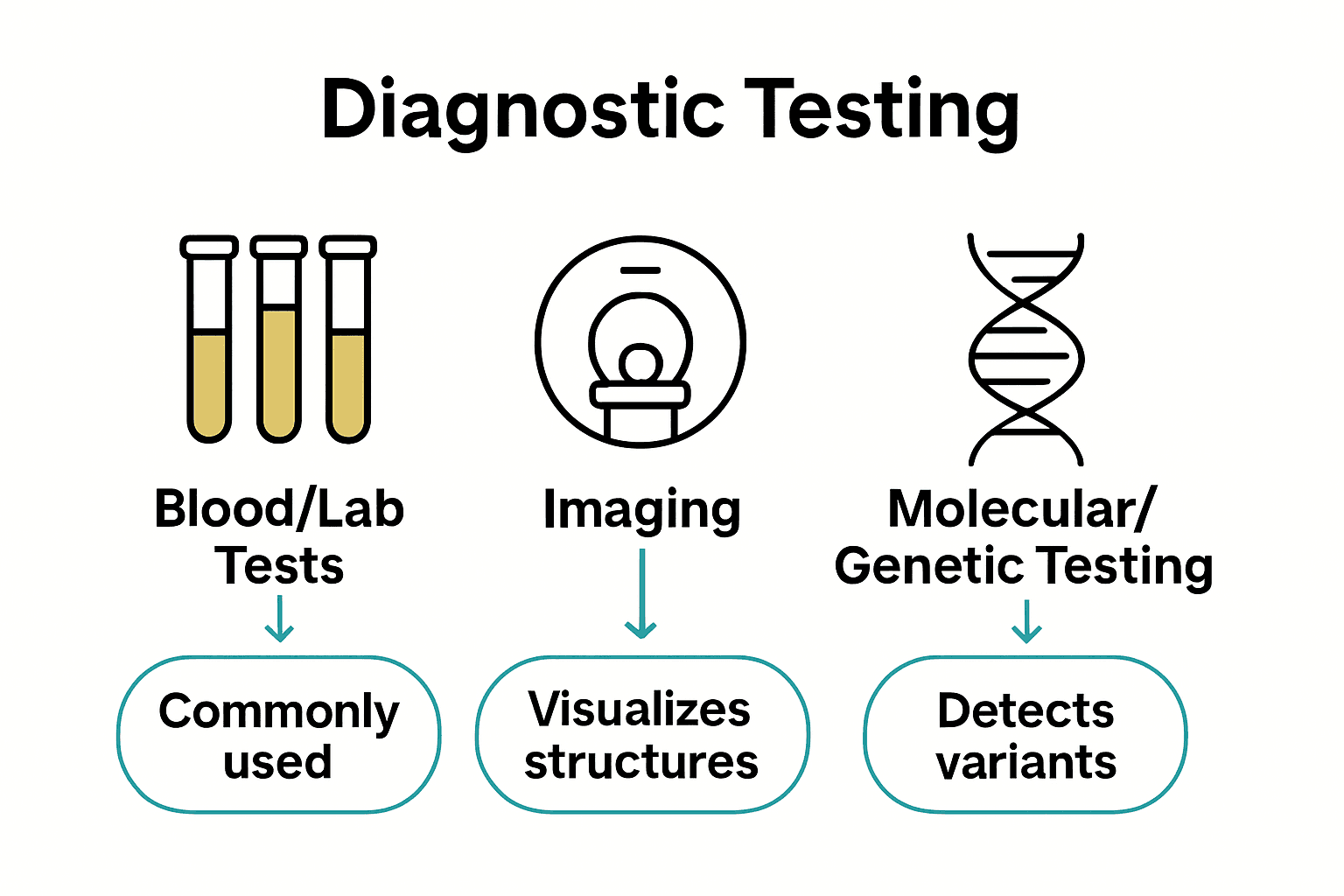
Diagnostic testing represents a multifaceted approach to understanding human health, encompassing various sophisticated methods designed to uncover critical medical insights. NCBI categorizes these methods into four primary domains: physiological measurements, laboratory tests, imaging tests, and endoscopic procedures. Each category offers unique capabilities for detecting and analyzing potential health conditions, providing medical professionals with comprehensive tools for accurate diagnosis.
Laboratory tests stand out as a fundamental diagnostic approach, involving detailed analysis of bodily fluids and tissues. According to NIDDK, these tests can reveal crucial information about conditions like diabetes and kidney diseases. The primary types of laboratory diagnostics include:
- Blood tests
- Urine analysis
- Genetic screenings
- Microbiological cultures
- Hormone and enzyme panels
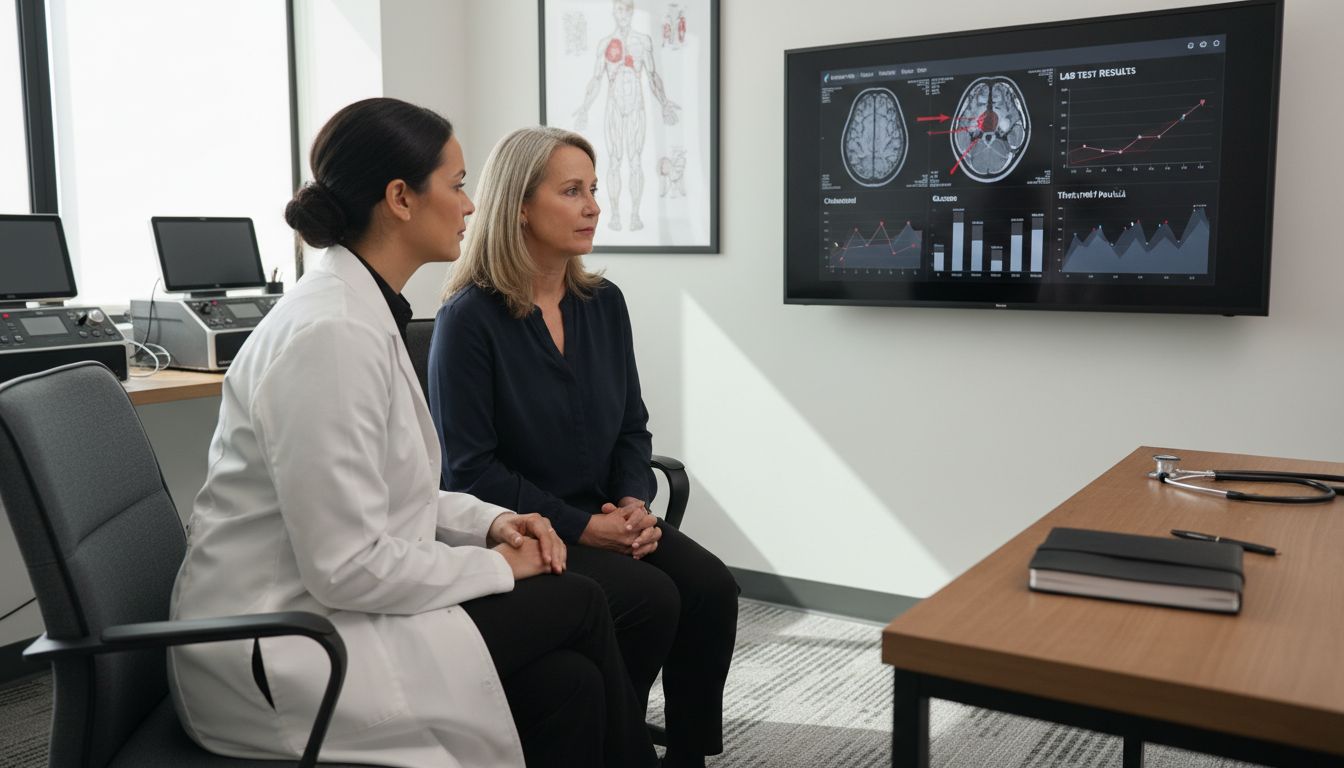
Imaging tests provide another critical dimension of diagnostic capabilities, allowing healthcare providers to visualize internal body structures with remarkable precision. These methods range from traditional X-rays to advanced technologies like magnetic resonance imaging (MRI) and computed tomography (CT) scans. Endoscopic procedures represent an invasive yet highly informative diagnostic technique, enabling direct visual examination of internal organs through specialized instruments. By integrating multiple diagnostic methods, medical professionals can develop comprehensive understanding of a patient’s health, transforming potential risks into manageable healthcare strategies.
How Diagnostics Enable Early Disease Identification
Early disease identification represents a critical frontier in modern healthcare, where advanced diagnostic techniques transform potential health threats into manageable conditions. NCBI research demonstrates how sophisticated testing methods like polymerase chain reaction (PCR) and serological assays can detect diseases at their nascent stages, providing healthcare professionals with unprecedented insights into emerging health risks.
The mechanism of early disease identification relies on several key strategic approaches:
- Detecting microscopic biological markers
- Identifying genetic predispositions
- Monitoring subtle physiological changes
- Analyzing complex molecular interactions
The power of early diagnostics extends far beyond simple detection. By identifying potential health issues before they manifest significant symptoms, medical professionals can implement proactive intervention strategies. Predictive diagnostics enable physicians to understand an individual’s unique health landscape, potentially preventing disease progression through targeted treatments, lifestyle modifications, and personalized medical protocols. Comprehensive guide to diagnostic labs highlight how advanced molecular testing techniques can reveal intricate details about an individual’s health trajectory, transforming reactive healthcare into a strategic, forward-looking approach. These innovative diagnostic methodologies represent a paradigm shift in medical science, where understanding potential health risks becomes as important as treating existing conditions.
Benefits of Early Detection for Patients
Early detection represents a transformative approach to healthcare, offering patients significant advantages in managing their long-term health outcomes. IOPN research highlights how timely screening and diagnostic tests can dramatically reduce morbidity and mortality associated with various medical conditions, providing patients with critical opportunities for intervention before diseases become more complex and challenging to treat.
The primary benefits of early detection encompass several crucial dimensions:
- Increased treatment success rates
- Reduced medical intervention complexity
- Lower overall healthcare costs
- Minimized potential for long-term health complications
- Enhanced quality of life
According to NCBI, early diagnosis provides patients with a significant strategic advantage in managing potential health risks. Proactive healthcare enables individuals to address medical conditions at their most treatable stages, transforming what could become serious health challenges into manageable medical scenarios. Benefits of molecular diagnostics for healthcare providers further illustrate how advanced diagnostic techniques empower patients by providing unprecedented insights into their personal health landscape. By identifying potential health risks early, patients can work collaboratively with healthcare professionals to develop targeted intervention strategies, lifestyle modifications, and personalized treatment plans that optimize their overall health trajectory.
Key Challenges and Limitations in Practice
Diagnostic technologies, while revolutionary, are not without significant practical challenges that can impact their effectiveness and reliability. NCBI research specifically highlights the complex limitations inherent in diagnostic processes, particularly in specialized areas like disease detection where current methodologies may present nuanced constraints.
Key challenges in diagnostic practice include:
- Variability in test sensitivity and specificity
- Potential for false positive/negative results
- High costs of advanced testing technologies
- Complex interpretation of molecular and genetic markers
- Technological limitations in detecting early-stage conditions
Technological constraints demand continuous innovation and strategic approaches to overcome diagnostic barriers. Precision diagnostics require sophisticated understanding of biological markers, complex molecular interactions, and emerging testing methodologies. Role of Diagnostic Labs Guide emphasizes that while diagnostic technologies continue advancing, practitioners must remain cognizant of their current limitations. The future of diagnostics lies not just in developing more advanced tests, but in creating comprehensive frameworks that can accurately interpret increasingly complex biological data, bridging the gap between technological capability and clinical interpretation.
Enhance Early Detection with Advanced Diagnostic Solutions
The challenge of identifying diseases early requires precision, speed, and comprehensive testing methods as discussed in the article “Complete Guide to the Role of Diagnostics in Early Detection.” Key issues like variability in test sensitivity and the need for rapid turnaround are crucial pain points for patients and healthcare providers aiming to catch conditions before they progress into serious stages. Concepts such as molecular testing and predictive diagnostics highlight the importance of using sophisticated tools to transform healthcare from reactive to proactive.
At Centra Diagnostics, we specialize in delivering these exact solutions through our advanced molecular testing, blood work, and comprehensive diagnostic services. With cutting-edge technology and a commitment to reliability, we help patients and medical professionals overcome challenges like false positives or complex genetic marker interpretation. Our expert team ensures fast, accurate results so you can act decisively on your health with confidence.
Discover how our trusted services can support your journey toward early disease identification and improved treatment outcomes.
Start improving healthcare decisions one test at a time.
Explore how Centra Diagnostics leads in early detection by visiting our website today. Take control of your health risks now with fast and precise diagnostic testing from experts who care. Learn more about our full range of advanced diagnostic services.
Frequently Asked Questions
What are early detection diagnostics?
Early detection diagnostics are proactive healthcare approaches that enable medical professionals to identify potential health risks at their most treatable stages, allowing for timely intervention and improved patient outcomes.
What types of diagnostic testing methods are available?
Diagnostic testing methods include physiological measurements, laboratory tests (such as blood tests and genetic screenings), imaging tests (like MRIs and CT scans), and endoscopic procedures that provide direct visual examination of internal organs.
How do diagnostics facilitate early disease identification?
Diagnostics facilitate early disease identification by utilizing advanced techniques to detect microscopic biological markers, genetic predispositions, subtle physiological changes, and complex molecular interactions, allowing for proactive intervention before significant symptoms occur.
What are the benefits of early detection for patients?
The benefits of early detection for patients include increased treatment success rates, reduced complexity of medical interventions, lower healthcare costs, minimized long-term health complications, and enhanced quality of life.
Recommended
- The Essential Guide to Diagnostics in Patient Care | Centra Diagnostics
- Diagnostics Terminology Explained: Essential Guide for 2024 | Centra Diagnostics
- Complete Guide to the Role of Diagnostic Labs | Centra Diagnostics
- 7 Key Examples of Healthcare Diagnostics Every Clinic Needs | Centra Diagnostics