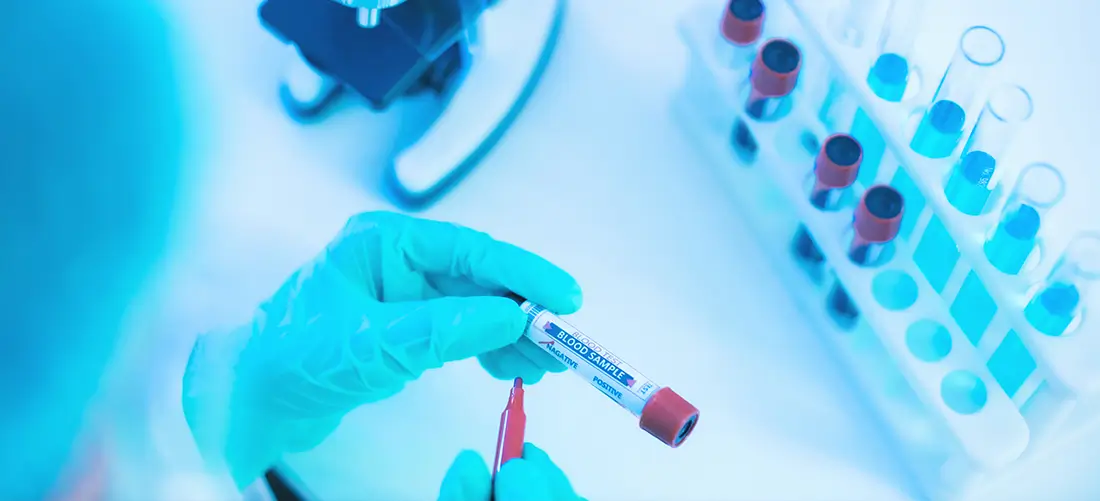
COVID-19 testing became a lifeline for communities worldwide as the fight against the pandemic unfolded. With over 900 million tests performed globally, the need for accurate and timely results has never been more clear. Knowing how these tests work and what each type reveals can help individuals make informed choices about their health. This article breaks down what COVID-19 testing means, the main test types, and crucial concepts every reader should understand.
Table of Contents
- COVID-19 Testing: Definition And Key Concepts
- Types Of COVID-19 Tests And Technology
- How COVID-19 Testing Works In Practice
- Accuracy, Sensitivity, And Turnaround Times
- Requirements, Risks, And Common Pitfalls
Key Takeaways
| Point | Details |
|---|---|
| Types of Tests | COVID-19 testing includes diagnostic tests (molecular and antigen) and antibody tests for determining current or past infections. |
| Gold Standard | Molecular tests, particularly RT-PCR, remain the most reliable method for detecting active COVID-19 infections due to their high sensitivity and accuracy. |
| Testing Process | The testing workflow involves sample collection, laboratory processing, and result interpretation, all of which are critical for accurate diagnosis. |
| Test Trade-offs | Different testing methods balance speed, accuracy, and sensitivity, emphasizing the importance of understanding their strengths and weaknesses for informed decision-making. |
COVID-19 Testing: Definition And Key Concepts
COVID-19 testing represents a critical diagnostic approach for detecting and understanding viral infections caused by the SARS-CoV-2 virus. According to FDA, these tests are designed to determine whether an individual is currently infected or has previously been exposed to the coronavirus.
There are two primary categories of COVID-19 tests: diagnostic tests and antibody tests. Diagnostic tests focus on identifying active infections, while antibody tests reveal past exposure. Mayo Clinic explains that diagnostic tests can be further classified into two main types:
- Molecular Tests (PCR Tests): Detect viral genetic material directly
- Antigen Tests: Identify specific viral proteins
Molecular tests, particularly polymerase chain reaction (PCR) tests, remain the gold standard for COVID-19 detection.
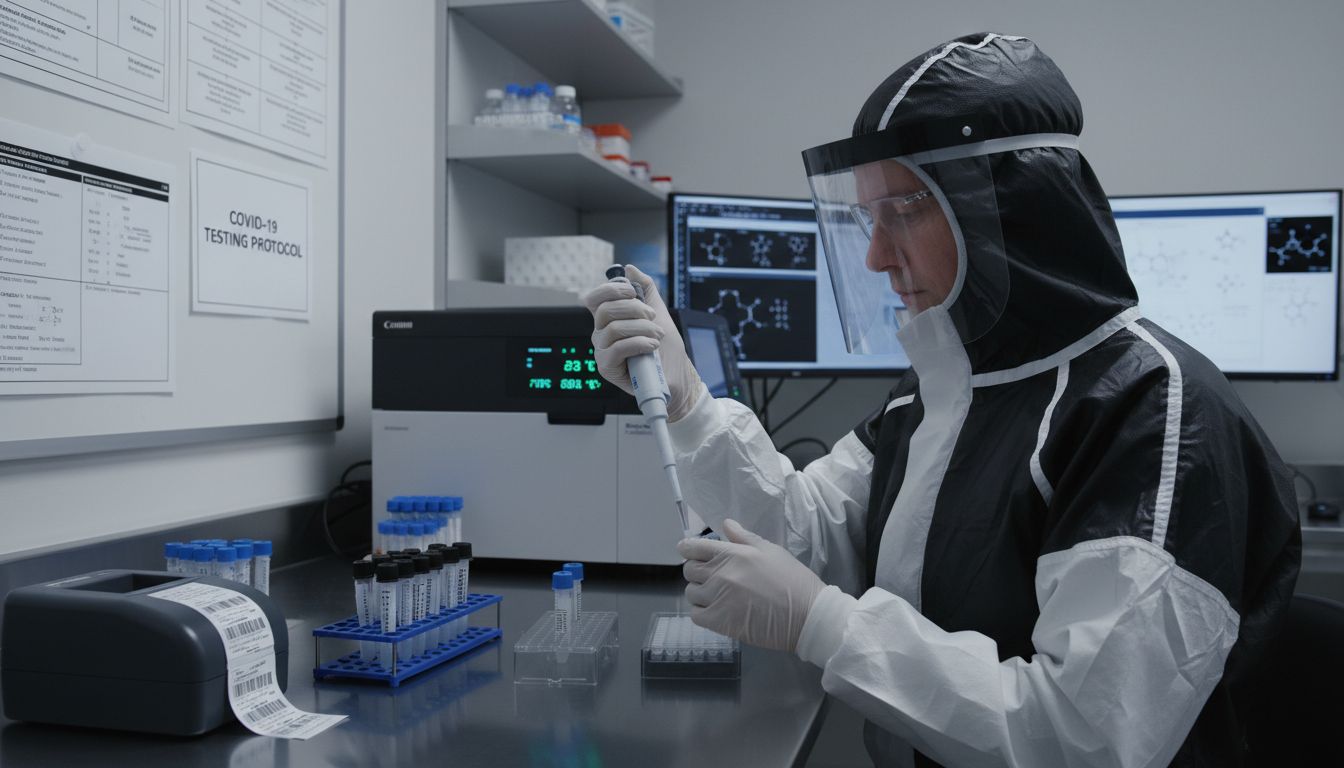 These tests analyze genetic material from respiratory samples, providing high accuracy in identifying active viral infections. Antigen tests, while faster, offer a more rapid screening method but may have slightly lower sensitivity compared to molecular testing.
Understanding the nuances of COVID-19 testing is crucial for effective disease management and public health strategies. Learn more about our step-by-step COVID-19 testing guide to gain deeper insights into the testing process and what to expect during screening.
Types Of COVID-19 Tests And Technology
COVID-19 testing encompasses a diverse array of sophisticated technological approaches designed to detect and analyze the SARS-CoV-2 virus. PMC Research highlights several critical diagnostic methods that have emerged during the pandemic, each with unique technological foundations and specific applications.
The primary types of COVID-19 tests can be categorized into three main technological approaches:
-
Molecular Tests
- RT-PCR (Reverse Transcription Polymerase Chain Reaction)
- RNA Sequencing
- Droplet Digital RT-PCR
- RT-LAMP (Reverse Transcription Loop-Mediated Isothermal Amplification)
-
Antigen Tests
- Rapid protein detection
- Quick screening methods
-
CRISPR-Based Assays
- Advanced genetic detection techniques
- Precision molecular identification
Molecular testing technologies represent the most sophisticated approach to COVID-19 detection. RT-PCR remains the gold standard, offering high sensitivity by directly detecting viral genetic material. More advanced techniques like droplet digital RT-PCR provide enhanced precision in quantifying viral load, making them invaluable for detailed clinical analysis.
CRISPR-based assays represent a cutting-edge frontier in diagnostic technology. These innovative methods leverage genetic editing techniques to provide rapid, highly specific viral detection.
Explore our comprehensive guide on COVID-19 testing methods to understand the nuanced landscape of these advanced diagnostic technologies.
How COVID-19 Testing Works In Practice
MIT News provides insight into the intricate process of COVID-19 testing, revealing the complex journey from sample collection to laboratory analysis. The testing workflow involves multiple critical stages that ensure accurate viral detection and public health monitoring.
The practical testing process typically follows these key steps:
-
Sample Collection
- Nasal or throat swab collection
- Saliva sample gathering
- Proper protective equipment usage
-
Laboratory Processing
- Sample preparation
- Viral genetic material extraction
- Amplification and detection techniques
-
Result Interpretation
- Analysis of genetic markers
- Quantification of viral load
- Determination of infection status
According to PMC Research, the laboratory techniques for COVID-19 testing demand meticulous attention to sample handling and processing. Nucleic acid amplification tests like RT-PCR require precise laboratory conditions to ensure accurate results, with technicians carefully managing each stage of viral detection.
The complexity of COVID-19 testing extends beyond technical procedures. Resource limitations and supply chain challenges can significantly impact testing capabilities. Learn more about getting COVID-19 testing in Los Angeles with our comprehensive guide, which breaks down the entire process for local residents seeking reliable viral screening.
Accuracy, Sensitivity, And Turnaround Times
Government Accountability Office research reveals the critical nuances of COVID-19 test performance, highlighting the delicate balance between accuracy, sensitivity, and speed of diagnostic testing. Different testing methodologies offer unique trade-offs that impact their effectiveness in detecting viral infections.
Test performance can be evaluated across three primary dimensions:
Accuracy Metrics
-
Molecular Tests (RT-PCR)
- Highest sensitivity
- Most precise detection
- Longer turnaround times (24-48 hours)
-
Antigen Tests
- Faster results (15-30 minutes)
- Lower sensitivity
- More prone to false negatives
-
Reliability Factors
- Sample collection quality
- Laboratory processing techniques
- Timing of test during infection cycle
PMC Research emphasizes that while RT-PCR tests represent the gold standard for COVID-19 detection, multiple factors can compromise test accuracy. Sample handling, patient viral load, and the specific stage of infection can significantly influence diagnostic precision.
Understanding these testing nuances is crucial for making informed healthcare decisions.
INFOGRAPHIC:infographic_content] [Learn more about COVID-19 testing methods in our comprehensive guide, which provides in-depth insights into navigating the complex landscape of viral diagnostic technologies.
Requirements, Risks, And Common Pitfalls
Journal of Medical Virology research highlights the intricate requirements and potential challenges associated with COVID-19 testing. Successful viral detection demands a complex ecosystem of specialized equipment, highly trained personnel, and rigorous laboratory protocols.
Key requirements and potential risks include:
Testing Infrastructure Requirements
-
Specialized Laboratory Equipment
- High-precision molecular testing instruments
- Sterile sample processing facilities
- Advanced genetic sequencing technologies
-
Personnel Qualifications
- Certified laboratory technicians
- Advanced microbiological training
- Strict adherence to safety protocols
-
Potential Testing Risks
- False negative results
- Contamination of samples
- Equipment calibration errors
According to Journal of Clinical Virology, COVID-19 testing faces significant challenges from viral mutations and inherent test variability. The dynamic nature of the SARS-CoV-2 virus means that testing protocols must continuously evolve to maintain diagnostic accuracy and reliability.
Learn more about our comprehensive COVID-19 testing approach in Los Angeles with our step-by-step guide, which addresses these critical considerations for accurate viral detection.
Discover Reliable COVID-19 Testing with Centra Diagnostics
Navigating the complexities of COVID-19 testing can be overwhelming, especially when accuracy, speed, and technology matter most. This article highlights key challenges like varying test sensitivities, turnaround times, and the need for precise sample handling. At Centra Diagnostics, we understand these concerns and offer advanced molecular and antigen testing options backed by cutting-edge technology and expert laboratory care to ensure you get trustworthy results when you need them.
Experience peace of mind with our comprehensive COVID-19 testing services in Los Angeles. Whether you need rapid screening or detailed viral analysis, Centra Diagnostics is committed to supporting your health decisions with first-in-class turnaround times and dedicated client support. Explore our step-by-step COVID-19 testing guide to understand the process clearly, or contact us directly through our main website to schedule your test today. Don’t wait for uncertainty when reliable answers are just a click away.
Frequently Asked Questions
What are the main types of COVID-19 tests?
COVID-19 tests can be categorized into two primary types: diagnostic tests and antibody tests. Diagnostic tests identify active infections and include molecular tests like PCR and antigen tests. Antibody tests reveal past exposure to the virus.
How do molecular tests for COVID-19 work?
Molecular tests, especially RT-PCR tests, detect viral genetic material from respiratory samples, providing high sensitivity for identifying active infections. Other molecular methods include RNA sequencing and droplet digital RT-PCR.
What are the differences between molecular tests and antigen tests?
Molecular tests, particularly RT-PCR, are the gold standard for COVID-19 detection, offering high sensitivity but typically have longer turnaround times. Antigen tests provide quicker results in 15-30 minutes but are usually less sensitive and more prone to false negatives.
What factors can affect the accuracy of COVID-19 tests?
The accuracy of COVID-19 tests can be influenced by several factors, including the quality of sample collection, laboratory processing methods, patient viral load, and the timing of the test during the infection cycle.
Recommended
- What Is COVID-19 Testing? Complete Guide for 2025 | Centra Diagnostics
- Step by Step COVID-19 Testing: Complete Guide for 2025 | Centra Diagnostics
- How to Get COVID-19 Testing in Los Angeles: Step-by-Step Guide | Centra Diagnostics
- 7 Key Examples of Healthcare Diagnostics Every Clinic Needs | Centra Diagnostics