Accurate toxicology screening hinges on hundreds of tiny details that often go unnoticed. Studies show that even small mistakes during sample collection or handling can lead to false results nearly 15 percent of the time. For healthcare providers, understanding the right steps can make the difference between correct diagnosis and missed problems. This guide explains proven best practices so you can collect, handle, and interpret toxicology samples with confidence every time.
Table of Contents
- 1. Understand Sample Collection Best Practices
- 2. Choose the Right Toxicology Test for Each Case
- 3. Follow Chain of Custody Procedures Precisely
- 4. Minimize Contamination and Handling Errors
- 5. Educate Patients on Pre-Test Preparation
- 6. Interpret Screening Results Correctly
- 7. Consult Experts for Complex or Unexpected Findings
Quick Summary
| Takeaway | Explanation |
|---|---|
| 1. Use sterile collection containers | Prevents contamination and ensures accurate diagnostic results. |
| 2. Select appropriate toxicology tests | Matching tests to clinical scenarios enhances diagnostic accuracy and patient outcomes. |
| 3. Maintain precise chain of custody | Protects the integrity of samples, ensuring test results are legally defendable. |
| 4. Educate patients on preparation | Clear pre-test guidelines improve accuracy and reduce invalidation risks. |
| 5. Consult experts for complex findings | Specialized knowledge is essential for interpreting puzzling toxicology results. |
1. Understand Sample Collection Best Practices
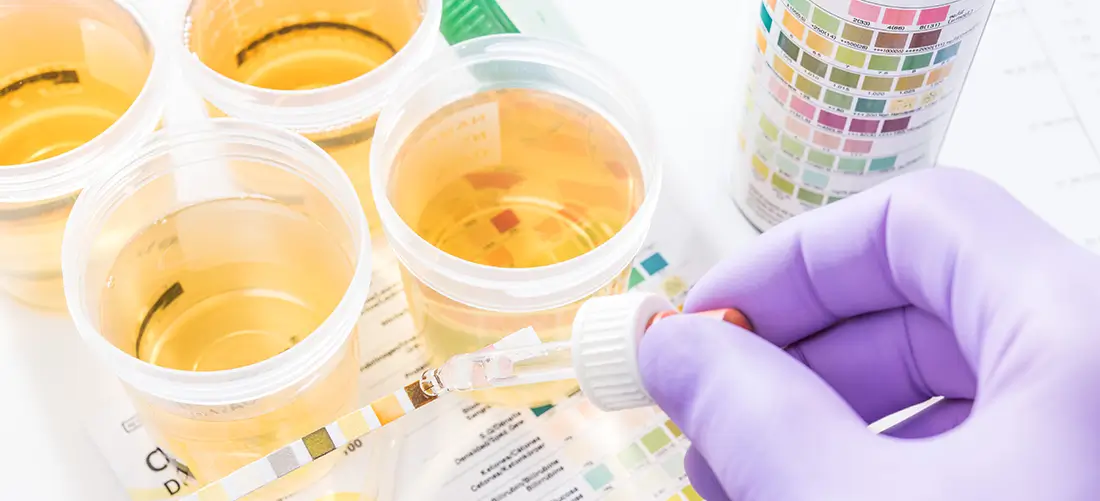
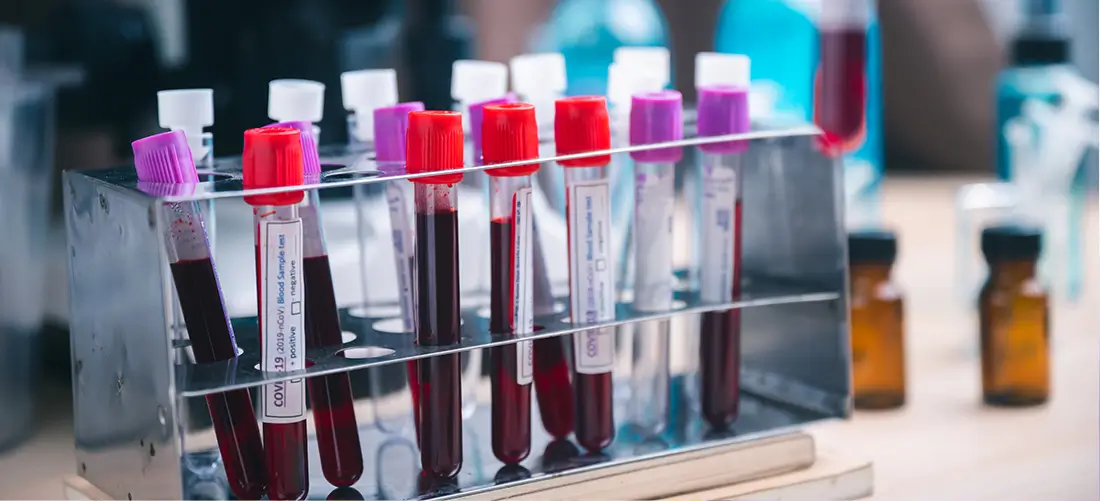
Toxicology screening demands precision from the moment a sample is collected. Proper specimen handling can make the difference between accurate diagnostic results and potentially misleading information.
According to the American Academy of Forensic Sciences, maintaining sample integrity requires meticulous attention to collection protocols. This means understanding the critical steps that preserve the chemical composition and prevent contamination.
When collecting toxicology samples, you need to focus on several key elements:
- Use sterile collection containers that prevent external contamination
- Wear clean protective gloves to avoid introducing foreign substances
- Label samples immediately with patient identifiers and collection timestamp
- Store samples at appropriate temperatures based on specific testing requirements
Cornell University’s College of Veterinary Medicine recommends specific handling procedures that minimize potential errors. This includes selecting the right type of container for your specific test and understanding how environmental factors can impact sample quality.
Practical implementation means training medical staff in precise collection techniques and creating standardized protocols that everyone follows consistently. Small details like using the correct type of tube or avoiding cross contamination can significantly impact test accuracy.
Remember that toxicology screening is not just about collecting a sample it is about ensuring that the sample represents the most accurate snapshot of a patient’s biochemical status. Attention to collection best practices protects both diagnostic integrity and patient care.
2. Choose the Right Toxicology Test for Each Case
Not all toxicology screens are created equal. Selecting the precise test for your specific clinical scenario can dramatically improve diagnostic accuracy and patient outcomes.
According to the OECD Guidelines for the Testing of Chemicals, different substances require specialized testing methodologies to effectively identify and characterize potential hazards. This means understanding the nuanced requirements of each screening situation.
When choosing a toxicology test, you need to consider several critical factors:
- Patient medical history and specific clinical concerns
- Suspected substance or drug class being investigated
- Timeframe of potential exposure
- Required detection sensitivity
- Specimen type available (urine blood hair)
The FDA’s Redbook 2000 provides comprehensive guidance on selecting appropriate clinical chemistry tests. Some screening panels are broad spectrum while others target specific metabolic pathways or substance classes.
Practical implementation means consulting with toxicology specialists who can help you design a targeted screening approach. This might involve multi panel tests for comprehensive analysis or specialized single substance screenings for precise diagnostic needs.
Remember that selecting the right toxicology test is not just about collecting data it is about generating meaningful insights that support accurate medical decision making. Precision in test selection can make all the difference in patient care.
For more detailed guidance, check out our Complete Guide to Toxicology Screens in Healthcare.
3. Follow Chain of Custody Procedures Precisely
In toxicology screening professional settings accuracy is not just a goal it is a legal and ethical requirement. Chain of custody procedures protect the integrity of scientific evidence and ensure your test results remain legally defensible.
According to the National Institute of Standards and Technology, maintaining clear communication and coordination is paramount when handling sensitive biological samples.
Chain of custody involves tracking a sample through every single stage of collection processing and analysis. This means creating an unbroken documented trail that shows exactly who handled the sample when and under what conditions.
Key elements of robust chain of custody include:
- Detailed documentation of sample transfer
- Unique identifying labels for each specimen
- Secure storage protocols
- Signed transfer receipts
- Tamper evident packaging
Practical implementation requires training all personnel in precise documentation techniques. Every team member must understand that their individual actions contribute to the overall scientific reliability of the screening process.
When executed correctly chain of custody procedures protect against potential contamination compromise or legal challenges. They transform a simple sample into a legally admissible piece of scientific evidence.
Remember that chain of custody is more than paperwork. It is a commitment to scientific integrity transparency and professional excellence. One overlooked detail can invalidate an entire screening process.
4. Minimize Contamination and Handling Errors
Toxicology screening demands surgical precision in sample management. Contamination can destroy the reliability of your entire diagnostic process, turning potentially critical medical insights into worthless data.
According to the U.S. Environmental Protection Agency, preserving sample integrity requires meticulous attention to handling protocols. Every interaction with a specimen represents a potential risk point that could compromise test accuracy.
The University of Georgia’s Veterinary Diagnostic Laboratory emphasizes that contamination prevention is a systematic approach requiring consistent professional discipline.
Key strategies to minimize handling errors include:
- Use sterile single use collection equipment
- Wear clean protective gloves
- Avoid touching sample collection areas
- Store samples immediately at recommended temperatures
- Limit sample exposure to external environments
Practical implementation means creating a controlled environment where every team member understands their role in maintaining sample purity. This involves comprehensive training extensive documentation and creating repeatable processes that minimize human error.
Contamination is not just about physical contact. Environmental factors temperature variations improper storage and inadequate labeling can all introduce variables that compromise diagnostic accuracy.
Remember that in toxicology screening your goal is not just collecting a sample. Your goal is capturing a pristine biochemical snapshot that provides reliable scientific evidence. Precision matters.
5. Educate Patients on Pre-Test Preparation
Toxicology screening accuracy begins long before the actual test with patient preparation. Understanding pre test requirements can dramatically improve diagnostic precision and reduce potential result invalidation.
Patient education is a critical step that many medical professionals overlook. When patients understand how their actions can impact test results they become active participants in their own diagnostic process.
Effective patient preparation involves clear communication about several key aspects:
- Medication disclosure including prescription over the counter and supplements
- Dietary restrictions before the screening
- Hydration guidelines
- Recent substance intake history
- Potential interactions that might affect test results
Practical implementation means creating patient information sheets that explain exactly what to do and what to avoid before their toxicology screening. This might include specific instructions about:
- Stopping certain medications temporarily
- Avoiding specific foods or drinks
- Maintaining normal hydration levels
- Documenting recent substance exposures
By proactively educating patients you accomplish multiple goals. You increase test accuracy reduce patient anxiety and demonstrate professional care. Patients who understand the why behind preparation protocols are more likely to follow instructions precisely.
Remember that patient preparation is not about creating obstacles. It is about creating a collaborative environment where accurate diagnostic information can be obtained efficiently and effectively. Clear communication is your most powerful diagnostic tool.
6. Interpret Screening Results Correctly
Toxicology screening results are not simple pass or fail outcomes. Accurate interpretation requires nuanced understanding of context biological markers and potential variables that can impact diagnostic accuracy.
Medical professionals must approach result interpretation as a complex analytical process that goes far beyond surface level reading. Each screening result represents a sophisticated biochemical snapshot that demands careful professional evaluation.
Key considerations for correct result interpretation include:
- Understanding baseline metabolic variations
- Recognizing potential false positive indicators
- Evaluating result thresholds scientifically
- Considering individual patient medical history
- Accounting for potential interference factors
Practical implementation means developing a systematic approach to result analysis. This involves looking beyond raw numbers and understanding the broader clinical context. For instance a positive screening result does not automatically indicate current substance use it might reflect past exposure medication interactions or metabolic differences.
Some critical strategies for comprehensive result interpretation include:
- Cross referencing multiple testing methodologies
- Consulting additional diagnostic tools
- Considering patient specific physiological factors
- Reviewing recent medical interventions or medications
- Conducting follow up confirmatory tests
Remember that toxicology screening is a diagnostic tool not a definitive judgment. Responsible interpretation requires professional judgment scientific knowledge and a holistic understanding of human biochemistry. Your goal is not just to read results but to understand their deeper clinical implications.
7. Consult Experts for Complex or Unexpected Findings
Toxicology screening occasionally presents puzzling results that demand specialized expertise. Knowing when and how to seek advanced professional consultation can transform potentially confusing data into meaningful clinical insights.
Complex screening findings are not roadblocks they are opportunities for deeper diagnostic investigation. Professional toxicology experts bring specialized knowledge that can unravel intricate biochemical puzzles and provide nuanced interpretations beyond standard screening protocols.
Recognizing scenarios that require expert consultation is crucial:
- Statistically anomalous test results
- Unexpected metabolic markers
- Potentially conflicting screening outcomes
- Results suggesting rare metabolic conditions
- Screenings with multiple substance interactions
Practical implementation means establishing professional networks and consultation pathways before complex scenarios emerge. This proactive approach allows rapid expert intervention when unusual findings appear.
Effective expert consultation involves:
- Providing comprehensive patient background information
- Sharing precise screening methodology details
- Documenting specific result characteristics
- Requesting detailed analytical interpretation
- Maintaining confidentiality protocols
Remember that consulting experts is not an admission of professional limitation. It is a commitment to patient care that prioritizes accurate diagnostic understanding. Your willingness to seek specialized insight demonstrates scientific integrity and patient focused medical practice.
Below is a comprehensive table summarizing the best practices and considerations for toxicology screening as discussed throughout the article.
| Topic | Description | Key Considerations |
|---|---|---|
| Sample Collection | Use sterile containers and protective gloves; label immediately; store at appropriate temperatures. | Prevents contamination and maintains chemical integrity. |
| Test Selection | Choose based on patient history, suspected substances, and available specimen type. | Ensures accurate diagnostics and patient outcomes. |
| Chain of Custody | Involves documentation, secure storage, and unique labeling. | Ensures legal defensibility and scientific reliability. |
| Minimize Contamination | Use sterile equipment, proper gloves; avoid exposure. | Maintains diagnostic accuracy and sample purity. |
| Patient Education | Explain medication disclosure, dietary restrictions, and hydration needs. | Reduces invalid results and enhances diagnostic precision. |
| Result Interpretation | Analyze results considering baseline variations and potential interference factors. | Provides meaningful clinical insights and accurate decision-making. |
| Expert Consultation | Seek expert input for complex or unexpected results. | Enhances diagnostic understanding and patient care. |
Achieve Precise Toxicology Results with Expert Partner Support
Navigating the challenges of accurate toxicology screening means mastering meticulous sample collection, proper test selection, contamination prevention, and expert result interpretation. With so many critical details from maintaining chain of custody to educating patients on pre-test preparation your diagnostic outcomes depend on more than just the test itself. You need a trusted partner who understands these complexities and delivers reliable, innovative solutions designed to protect sample integrity and provide clear, actionable insights.
Take the next step in elevating your toxicology testing accuracy by partnering with Centra Diagnostics. Our advanced diagnostic services combine cutting-edge technology with dedicated client management to ensure your screening process follows best practices every step of the way. Whether you need guidance on selecting the right test or confidence in your sample handling and results interpretation visit our website today. Explore how our expertise in toxicology and molecular testing can turn critical data into meaningful healthcare decisions.
Start improving test outcomes now by connecting with Centra Diagnostics and experience precision you can trust.
Frequently Asked Questions
What are the best practices for toxicology sample collection?
Proper toxicology sample collection involves using sterile containers, wearing gloves, labeling samples immediately, and storing them at correct temperatures. Ensure your team is trained in these practices to maintain sample integrity and reduce contamination risk.
How do I choose the right toxicology test for my patient?
Selecting the right toxicology test requires considering factors like the patient’s medical history, suspected substances, and the specimen type available. Review these elements carefully to choose the most suitable test that fits the specific clinical scenario.
What should I include in the chain of custody documentation for toxicology samples?
Your chain of custody documentation should include detailed records of sample transfer, unique identifying labels, secure storage protocols, and signed transfer receipts. Implement these practices to ensure the integrity and legal defensibility of your test results.
How can I minimize contamination during toxicology screening?
To minimize contamination, use single-use sterile equipment, wear clean gloves, and avoid unnecessary exposure to the environment. Establish strict protocols to maintain sample purity and educate your team on the importance of contamination prevention.
What steps should I take to prepare patients for toxicology screening?
Educate patients on medication disclosure, dietary restrictions, hydration guidelines, and substance intake history prior to the test. Provide clear instructions well in advance to help them follow pre-test requirements, thus improving the accuracy of the results.
How do I accurately interpret toxicology screening results?
Accurately interpreting toxicology screening results involves understanding baseline variations, recognizing potential false positives, and considering the patient’s medical history. Develop a systematic approach that includes cross-referencing testing methods and consulting with specialists for complex findings.