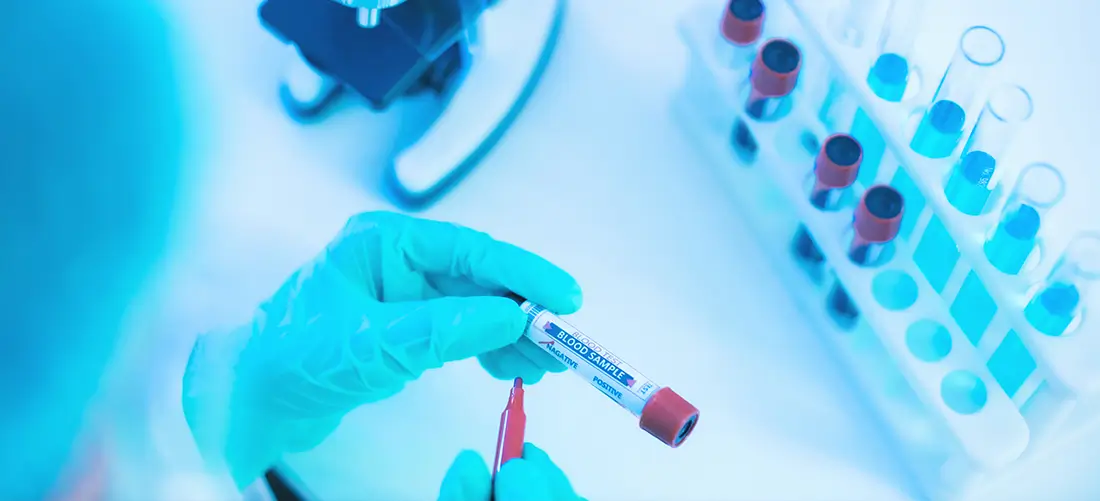
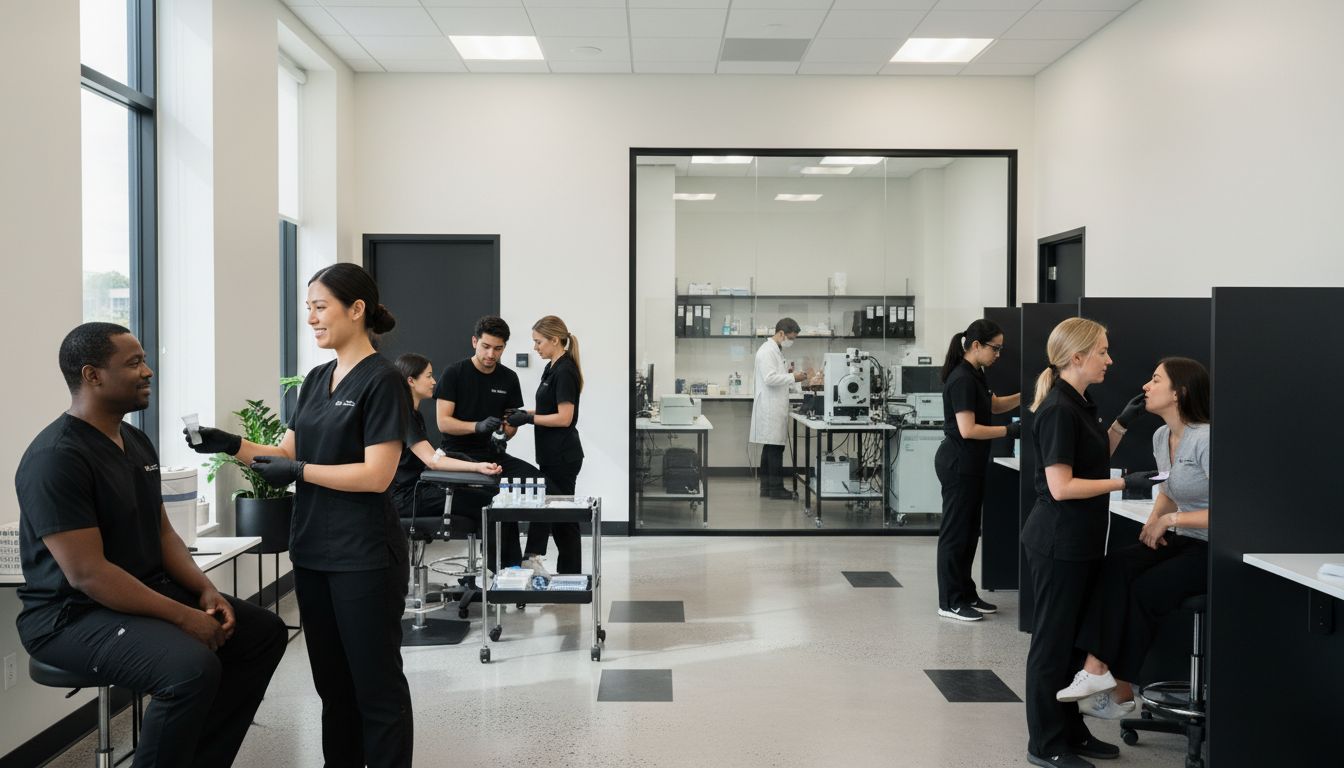
More than 55 million drug tests are conducted each year in the United States, reflecting a widespread need for accurate substance screening. Whether for workplaces, medical care, or legal cases, choosing the right drug testing method can have serious consequences for safety, compliance, and trust. From urine to molecular analysis, each type of drug test offers its own strengths when it comes to reliability, detection window, and convenience.
Table of Contents
- 1. Urine Drug Testing: Most Common and Cost-Effective Option
- 2. Blood Drug Testing: Precise Detection for Recent Use
- 3. Saliva Drug Testing: Quick and Non-Invasive Screening
- 4. Hair Follicle Drug Testing: Long-Term Drug Use Monitoring
- 5. Sweat Drug Testing: Extended Detection with Patch Method
- 6. Breath Drug Testing: Rapid Results for Alcohol Detection
- 7. Molecular Drug Testing: Advanced Accuracy with Laboratory Analysis
Quick Summary
| Takeaway | Explanation |
|---|---|
| 1. Urine tests are cost-effective and reliable. | Widely used for detecting recent substance use, urine tests provide an affordable and efficient screening option. |
| 2. Blood tests offer high accuracy for recent use. | Ideal for urgent situations, blood tests deliver immediate and precise detection of substances in the bloodstream. |
| 3. Saliva tests ensure quick and non-invasive results. | Saliva testing is minimally invasive, providing rapid results for very recent drug use with ease of administration. |
| 4. Hair tests reveal long-term drug use patterns. | Analyzing hair can show substance use history up to 90 days, making it essential for ongoing monitoring programs. |
| 5. Molecular testing provides advanced detection accuracy. | This sophisticated laboratory method identifies trace amounts of drugs, reducing false positives and offering comprehensive profiles. |
1. Urine Drug Testing: Most Common and Cost-Effective Option
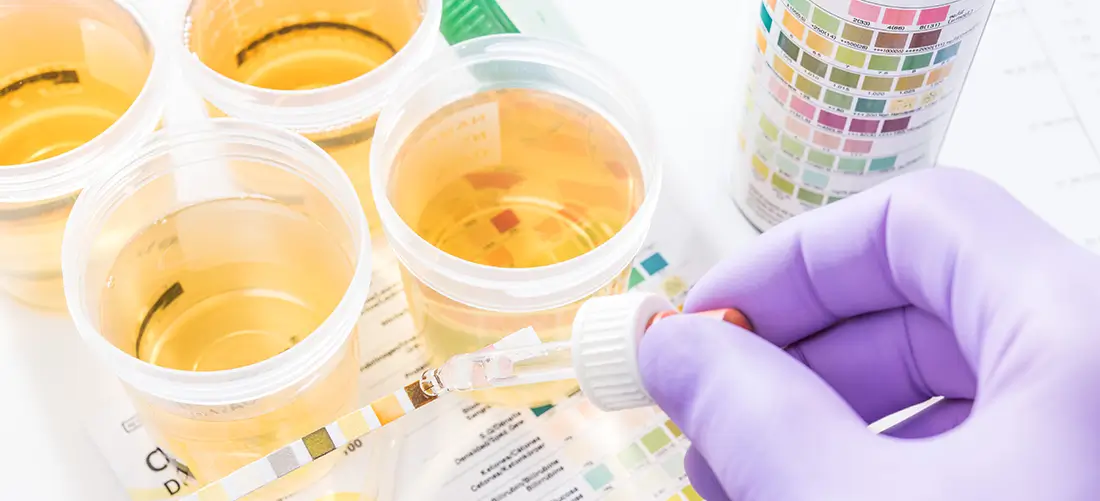
Urine drug testing stands as the gold standard for identifying drug use across multiple settings. As the most prevalent screening method, it offers an efficient and affordable approach to detecting recent substance consumption.
According to the National Institute on Drug Abuse, urine testing provides a non-invasive way to detect a wide range of drugs in a person’s system. This method has become incredibly popular due to its practicality and reliability. Healthcare professionals, employers, and legal systems frequently rely on urine tests to gather critical information about potential drug use.
Key Benefits of Urine Drug Testing:
- Quick and simple collection process
- Can detect multiple substances simultaneously
- More affordable than other testing methods
- Provides relatively recent usage history
The process works by analyzing urine samples for specific drug metabolites. These chemical traces reveal whether someone has recently used substances like marijuana, cocaine, opioids, amphetamines, or other controlled drugs. Most urine tests can detect drug use within a 2 to 7 day window, depending on the specific substance and individual metabolic factors.
Employers and organizations find urine testing particularly valuable. As research from the Office of Justice Programs indicates, these screenings help maintain workplace safety and compliance. Whether screening potential employees or conducting random checks, urine tests offer a balanced approach to identifying potential substance abuse risks.
Pro Tip: When preparing for a urine drug test, always disclose any prescription medications to the testing facility. Certain legal medications can trigger false positives and require additional medical documentation.
2. Blood Drug Testing: Precise Detection for Recent Use
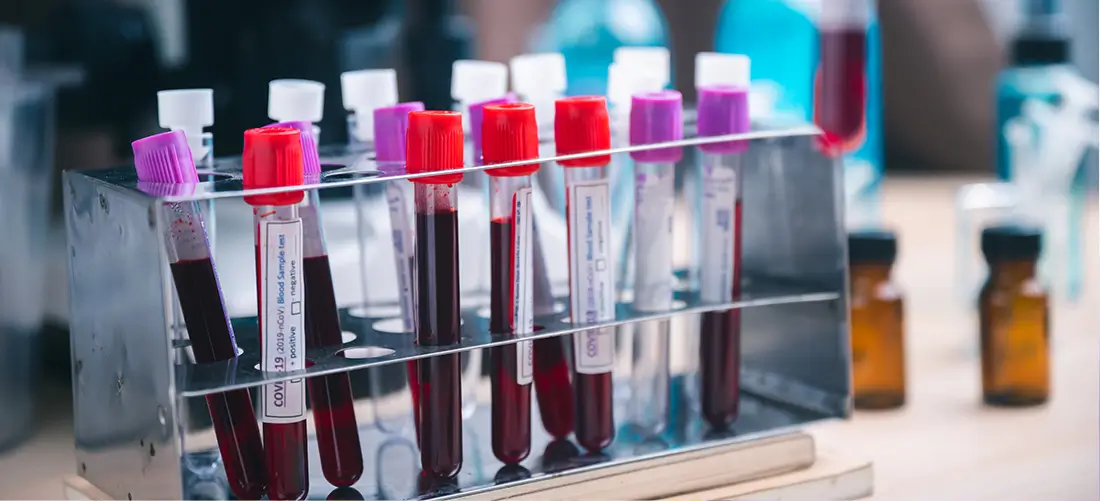
Blood drug testing represents the gold standard for immediate and accurate substance detection. When precision matters most, medical professionals turn to this highly reliable screening method.
According to Cleveland Clinic, blood tests offer unparalleled accuracy in identifying drugs directly within an individual’s bloodstream. Unlike other testing methods, blood screenings provide a real time snapshot of substance presence, making them invaluable in critical scenarios.
Unique Characteristics of Blood Drug Testing:
- Provides immediate detection of substances
- Extremely high accuracy rates
- Reveals exact concentration of drugs in system
- Ideal for medical and legal settings
The science behind blood testing involves analyzing plasma and serum components for specific drug metabolites. These tests can quickly identify recent drug consumption with remarkable precision. National Institute on Drug Abuse research confirms that blood screenings can detect substances within minutes to hours after consumption, unlike other methods that might require days.
Medical professionals frequently use blood drug tests in scenarios requiring urgent and definitive results. Emergency rooms, workplace accident investigations, and legal proceedings often rely on these tests to establish clear evidence of substance use. The ability to measure exact drug concentration provides critical information for treatment and legal documentation.
Pro Tip: Blood tests are more invasive than other screening methods and require trained medical personnel to draw blood. Always consult healthcare professionals and understand the specific testing requirements before proceeding with a blood drug screening.
3. Saliva Drug Testing: Quick and Non-Invasive Screening
Saliva drug testing emerges as a swift and user friendly method for detecting recent substance use. This screening technique has rapidly gained popularity across multiple professional and medical environments.
According to the Substance Abuse and Mental Health Services Administration, saliva tests offer an efficient alternative to more invasive drug screening methods. These tests provide quick results with minimal discomfort for the individual being tested.
Key Advantages of Saliva Drug Testing:
- Minimal invasive procedure
- Rapid collection and processing
- Can detect very recent drug use
- Easy to administer in various settings
- Lower chances of sample manipulation
The science behind saliva testing involves collecting oral fluid to detect drug metabolites present in an individual’s system. National Institute on Drug Abuse research indicates these tests can identify substance use within a short window typically ranging from a few hours to 2 days after consumption.
Workplace safety and legal settings frequently utilize saliva screening due to its convenience and reliability. Employers appreciate the ability to conduct immediate testing with minimal preparation. Law enforcement agencies also find these tests valuable for roadside screening and preliminary drug use assessments.
Pro Tip: When conducting a saliva drug test, ensure proper collection techniques. The testing swab should be placed between the lower cheek and gum line for accurate sample collection. Always follow professional guidelines to maintain test integrity and reliability.
4. Hair Follicle Drug Testing: Long-Term Drug Use Monitoring
Hair follicle drug testing provides an unprecedented window into an individual’s substance use history. Unlike other screening methods that capture recent drug consumption, this technique reveals patterns of drug use stretching back months.
According to the National Institute on Drug Abuse, hair follicle testing can detect drug metabolites for up to 90 days after substance use. This extended detection window makes it an invaluable tool for understanding long-term substance abuse patterns.
Unique Characteristics of Hair Follicle Testing:
- Detects drug use up to 90 days in the past
- Provides comprehensive substance use history
- Extremely difficult to manipulate or cheat
- Useful for ongoing monitoring programs
- Can identify multiple substance types
The scientific process involves analyzing a small hair sample typically taken from the scalp. As hair grows, it absorbs chemical traces of consumed substances. Each centimeter of hair represents approximately 30 days of potential drug use history. This means a 3 centimeter hair sample can reveal three months of substance consumption patterns.
Cleveland Clinic research highlights that hair testing is particularly effective for detecting consistent drug use. Employers, treatment centers, and legal systems frequently utilize this method when comprehensive substance use documentation is required.
Pro Tip: Hair color and chemical treatments do not significantly impact test accuracy. However, extremely short hair samples might limit the detection window. When possible, provide a hair sample at least 1.5 inches long for the most reliable results.
5. Sweat Drug Testing: Extended Detection with Patch Method
Sweat drug testing represents a unique approach to monitoring substance use over an extended period. This innovative method utilizes a specialized adhesive patch that continuously collects and analyzes sweat for drug metabolites.
National Institute on Drug Abuse research highlights the patch method as an exceptional tool for continuous drug monitoring. Unlike other testing methods, sweat patches provide a comprehensive view of an individual’s substance use patterns over several days or weeks.
Key Features of Sweat Drug Testing:
- Continuous monitoring for up to 7 to 10 days
- Non invasive collection method
- Difficult to manipulate or tamper with
- Provides consistent tracking of drug use
- Ideal for legal and treatment compliance programs
The scientific process involves applying an adhesive patch directly to the skin, typically on the upper arm or torso. This patch contains specialized membranes that collect and preserve sweat samples, allowing for continuous detection of drug metabolites. As an individual sweats, the patch captures chemical traces of potential substance use.
According to the Substance Abuse and Mental Health Services Administration, sweat testing is particularly valuable in scenarios requiring ongoing monitoring. Probation officers, addiction treatment centers, and workplace safety programs often utilize this method to ensure consistent compliance and track potential substance abuse.
Pro Tip: When using a sweat patch, ensure proper application and avoid excessive moisture or physical activities that might compromise the patch’s adhesion. Follow specific guidelines provided by the testing facility to maintain the accuracy of the results.
6. Breath Drug Testing: Rapid Results for Alcohol Detection
Breath drug testing represents the fastest method for determining alcohol consumption in real time. This screening technique provides immediate insights into an individual’s current blood alcohol levels with remarkable precision.
National Institute on Drug Abuse research confirms breath testing as the gold standard for alcohol detection. Law enforcement and workplace safety professionals rely on these quick and non invasive tests to make critical decisions about potential impairment.
Key Characteristics of Breath Drug Testing:
- Instant results within seconds
- Non invasive screening method
- Highly portable testing equipment
- Precise measurement of blood alcohol concentration
- Widely accepted in legal and professional settings
The scientific mechanism involves analyzing the alcohol content in an individual’s exhaled breath. When a person consumes alcohol, it is absorbed into the bloodstream and eventually expelled through lung tissue. Breathalyzer devices measure the concentration of alcohol molecules in exhaled air, providing an immediate estimate of blood alcohol levels.
Cleveland Clinic experts note that breath testing is particularly effective for roadside sobriety checks and workplace safety protocols. Employers in safety sensitive industries frequently use these tests to prevent potential accidents and ensure worker alertness.
Pro Tip: For accurate breath test results, wait 15 to 20 minutes after consuming any liquid and avoid smoking or using mouthwash immediately before testing. These factors can potentially interfere with the device’s alcohol measurement accuracy.
7. Molecular Drug Testing: Advanced Accuracy with Laboratory Analysis
Molecular drug testing represents the pinnacle of scientific precision in substance detection. This advanced laboratory technique goes beyond traditional screening methods to identify drugs at their most fundamental chemical level.
National Institute on Drug Abuse research confirms molecular testing as the most sophisticated approach to substance identification. By analyzing genetic material and molecular structures, these tests provide unprecedented accuracy in detecting even trace amounts of drugs.
Key Advantages of Molecular Drug Testing:
- Extremely high detection precision
- Can identify minute drug quantities
- Capable of detecting complex substance interactions
- Reduces likelihood of false positive results
- Provides comprehensive substance profile
The scientific process involves using advanced techniques like polymerase chain reaction (PCR) and genetic sequencing. These methods allow researchers to amplify and analyze specific molecular markers associated with different substances. This approach enables detection of drugs that might escape traditional testing methods.
For professionals seeking deeper insights, our step by step molecular testing guide offers comprehensive information about these advanced diagnostic techniques. According to the Substance Abuse and Mental Health Services Administration, molecular testing is particularly valuable in complex medical and legal scenarios requiring absolute precision.
Pro Tip: Molecular drug testing requires specialized laboratory equipment and trained professionals. Always work with certified diagnostic centers that follow strict quality control protocols to ensure the most reliable results.
Below is a comprehensive table summarizing the different types of drug testing methods, their features, and ideal applications as discussed in the article.
| Testing Method | Features | Best For |
|---|---|---|
| Urine Drug Testing | Non-invasive, affordable, detects recent use, various drugs | Employers, healthcare, legal systems |
| Blood Drug Testing | Immediate detection, high accuracy, detects concentrations | Medical, emergency rooms, legal cases |
| Saliva Drug Testing | Quick, non-invasive, detects recent use, minimal manipulation | Workplace, legal, roadside checks |
| Hair Follicle Testing | Long detection window (up to 90 days), comprehensive history | Long-term monitoring, employers, legal |
| Sweat Drug Testing | Continuous monitoring (7-10 days), non-invasive | Ongoing compliance, probation, treatment |
| Breath Drug Testing | Instant, non-invasive, portable, alcohol level measurement | Law enforcement, workplace safety |
| Molecular Testing | High precision, detects trace quantities, complex interactions | Complex legal/medical scenarios |
Discover Reliable Drug Testing Solutions Tailored to Your Needs
Facing the challenge of choosing the right drug testing method can be overwhelming. Whether you need precise blood tests for immediate detection, non-invasive saliva screenings, or advanced molecular testing for unmatched accuracy, understanding the specific strengths of each approach is critical. The article highlights key concerns like detection windows, accuracy, ease of collection, and preventing false positives—issues that directly impact your healthcare or workplace safety decisions.
At Centra Diagnostics, we address these concerns with cutting-edge technology and expert client support. Our advanced molecular testing and comprehensive toxicology panels ensure you receive reliable results quickly. We understand how important it is to have trusted, accurate diagnostics when making critical healthcare decisions or maintaining regulatory compliance.
Ready to experience testing services that keep your peace of mind front and center?
Explore how Centra Diagnostics can support your drug testing needs today. Visit our homepage to learn more and get in touch with our dedicated team who prioritizes your confidence and safety. Don’t wait to make informed choices that protect health and wellbeing. Act now to partner with a leader in diagnostic excellence.
Frequently Asked Questions
What are the main types of drug testing methods available?
Urine, blood, saliva, hair follicle, sweat, breath, and molecular drug testing are the key types. Each method is suited for specific circumstances, such as recent use detection or long-term monitoring. Consider the context of use to choose the right method.
How can I prepare for a urine drug test?
To prepare for a urine drug test, disclose any prescription medications to the testing facility. This helps prevent false positives and ensures accurate interpretation of the results.
What substances can be detected in saliva drug testing?
Saliva drug testing can detect substances like marijuana, cocaine, opioids, and amphetamines. Expect accurate results for drug use that occurred within a few hours to 2 days prior to the test.
How long does hair follicle drug testing detect substance use?
Hair follicle drug testing can reveal drug use patterns for up to 90 days after consumption. To get the most accurate results, provide a hair sample that is at least 1.5 inches long, representing roughly three months of usage history.
When is breath drug testing most commonly used?
Breath drug testing is primarily used for alcohol detection in real-time, useful during roadside sobriety checks and workplace safety assessments. For reliable results, refrain from consuming any liquids or using mouthwash 15 to 20 minutes before testing.
What advantages does molecular drug testing offer?
Molecular drug testing provides extremely high accuracy by identifying drugs at their chemical level. If precision is crucial, consider molecular testing for complex medical or legal scenarios, as it can detect minute quantities and reduce false positives.