More than sixty percent of employers in the US conduct some form of employee drug testing, highlighting the growing concern about workplace safety and compliance. Setting clear drug testing policies and procedures helps reduce accidents, protect company reputation, and avoid costly legal issues. Knowing how to build an effective testing program can help you create a safer, more trustworthy environment for everyone on your team.
Table of Contents
Quick Summary
| Key Point | Explanation |
| 1. Establish Clear Drug Policies | Develop comprehensive policies including testing protocols and legal compliance to ensure a safe work environment. |
| 2. Choose Reliable Testing Providers | Select certified laboratories to guarantee accurate and legally defensible drug testing results for your workplace. |
| 3. Communicate Effectively with Employees | Use various communication methods to explain testing policies and procedures, ensuring transparency and understanding. |
| 4. Implement Standardized Testing Procedures | Ensure consistent application of drug testing methods, including obtaining consent and maintaining confidentiality throughout. |
| 5. Review Results Professionally | Have a Medical Review Officer verify positive test results and communicate respectfully with employees regarding outcomes. |
Step 1: Determine drug testing requirements and policies
In this critical step, you will learn how to establish comprehensive drug testing policies that protect your workplace and ensure legal compliance. Understanding the complex landscape of drug testing requirements is essential for creating a safe and productive work environment.
Start by examining federal regulations like the Drug-Free Workplace Act of 1988. According to SAMHSA, federal contractors and grantees must maintain drug-free workplaces. This means developing clear protocols that outline expectations, testing procedures, and potential consequences for violations.
Next, research your specific state and local laws. As SAMHSA guidelines highlight, state regulations can significantly influence workplace drug policies. Some states have unique requirements around drug testing procedures, workers compensation, and unemployment insurance.
Your policy should cover several key areas:
-
Types of drug tests (pre-employment, random, post-incident)
-
Substances being tested
-
Testing frequency and methodology
-
Consequences of positive tests
-
Employee rights and confidentiality protections
Pro Tip: Consult with a legal professional specializing in employment law to ensure your drug testing policy is fully compliant and legally defensible.
Once you draft your initial policy, prepare to communicate it clearly to all current and prospective employees. Transparency builds trust and helps everyone understand workplace expectations from the start.
Step 2: Select drug test types and trusted providers
In this crucial step, you will learn how to choose the most appropriate drug testing methods and select reliable testing providers that meet legal standards and ensure accurate results for your workplace.
Understand the primary drug testing methods available to employers. According to the Food Safety and Inspection Service, employers can select from several testing approaches:
Here’s a comparison of common workplace drug testing methods:
| Method | Detection Window | Typical Use | Advantages |
| Urinalysis | 1-7 days | Pre-employment Random |
Most common Cost effective |
| Blood Test | Hours-1 day | Post-incident Reasonable suspicion |
Precise Measures levels |
| Hair Follicle | Up to 90 days | Long-term pattern checks | Long detection Difficult to evade |
-
Urinalysis: Most common method detecting recent drug use
-
Blood tests: Providing precise substance concentration measurements
-
Hair follicle tests: Detecting long term substance use patterns
When selecting a drug testing provider, prioritize certified laboratories. The FSIS guidelines emphasize the importance of using professionally accredited facilities to ensure legally defensible results.
Research state specific regulations carefully. As FindLaw highlights, different states have unique requirements regarding testing methods and provider qualifications. Some jurisdictions have strict guidelines about permitted testing approaches.
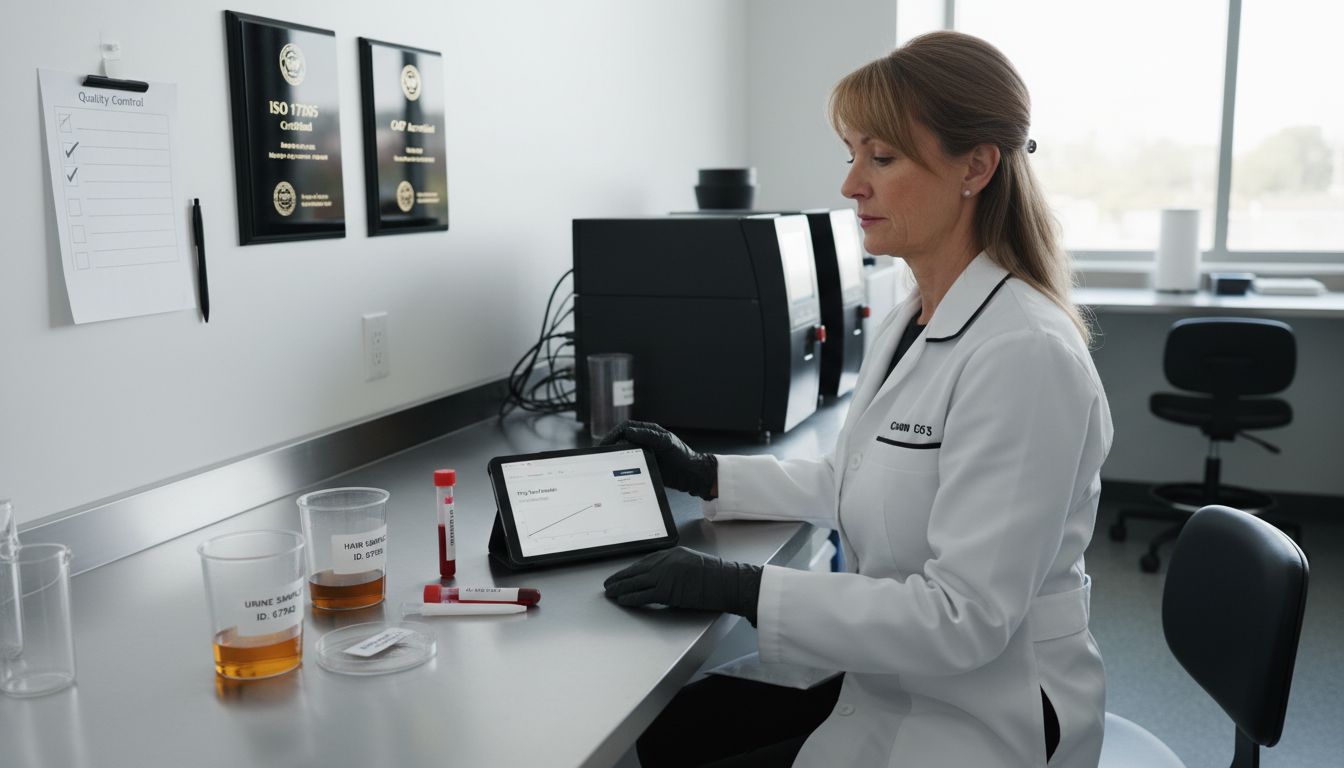
Pro Tip: Request documentation of a testing provider’s certification and ask about their quality control processes before making a final selection.
Your next step will involve establishing a clear protocol for implementing these drug testing procedures across your organization.
Step 3: Set up logistics and employee communications
In this step, you will develop a comprehensive communication strategy to implement your drug testing program effectively and transparently across your organization.
According to SAMHSA, developing a clear drug-free workplace policy requires outlining the precise purpose, scope, and procedures of your testing program. Your communication strategy should address several key elements:
-
Detailed explanation of why drug testing is necessary
-
Specific testing procedures and expectations
-
Consequences of policy violations
-
Employee rights and privacy protections
Create multiple communication channels to ensure employees understand the policy. This might include:
-
Written employee handbook sections
-
Formal training sessions
-
Individual meetings with team leaders
-
Digital resources and FAQs
SAMHSA state law guidelines recommend tailoring your communication to address any state specific requirements that might impact your drug testing approach.
Pro Tip: Schedule mandatory information sessions where employees can ask questions and receive clear guidance about the new drug testing policy.
Your next step will involve implementing the actual testing procedures and ensuring consistent application across your workforce.
Step 4: Conduct workplace drug testing procedures
In this critical step, you will learn how to implement drug testing procedures that are legally compliant, respectful of employee rights, and designed to maintain workplace safety and integrity.
According to the Food Safety and Inspection Service, implementing drug testing involves carefully selecting appropriate testing methods and identifying which employees will be subject to testing. You have several approaches available:
-
Random testing: Selecting employees through unbiased selection processes
-
Reasonable suspicion testing: Based on observable workplace behavior
-
Post accident testing: Conducted after workplace incidents
-
Pre employment screening: Testing potential new hires
Justia legal resources emphasize the critical importance of obtaining informed consent and maintaining strict confidentiality throughout the testing process. This means clearly communicating the testing procedure, protecting employee privacy, and following standardized protocols.
Ensure your testing procedures include:
-
Written consent from employees
-
Confidential testing environments
-
Professionally administered tests
-
Clear documentation of results
-
Consistent application across all employees
Pro Tip: Always have a neutral third party conduct tests to minimize potential bias and ensure legal compliance.
Your next step will involve carefully reviewing and responding to test results while maintaining employee dignity and legal standards.
Step 5: Review and verify test results for compliance
In this critical step, you will learn how to professionally and legally handle drug test results, ensuring fair treatment and maintaining workplace standards while protecting employee rights.
According to the Food Safety and Inspection Service, the initial review of drug test results should involve a Medical Review Officer who can provide expert verification of positive findings. This professional serves as an essential checkpoint to confirm the accuracy and validity of test results before any action is taken.
Justia legal resources recommend establishing a comprehensive process for addressing positive test results that includes several critical components:
-
Initial confidential notification to the employee
-
Opportunity for the employee to explain or contest findings
-
Verification of results through secondary testing
-
Documentation of the entire review process
-
Consistent application of company policies
Ensure your verification process accounts for potential medical explanations or prescription medications that might trigger positive results. This approach demonstrates fairness and protects both the employer and employee from potential legal complications.
Pro Tip: Always maintain strict confidentiality and handle test result discussions in private settings to protect employee dignity and legal rights.
Your next step will involve making informed decisions about workplace consequences based on verified test results while remaining compliant with legal standards.
Ensure Your Workplace Safety with Trusted Drug Testing Solutions
Managing a drug testing program can feel overwhelming. The article highlights the vital challenge companies face in creating compliant, transparent policies while selecting reliable testing methods that protect employee rights and maintain workplace integrity. Your goals may include clear communication, accurate testing, and legal defensibility. With terms like “Medical Review Officer,” “confidentiality,” and “random testing” emphasizing the complexity of the process, you need a partner who simplifies execution without compromising quality.

Discover how Centra Diagnostics in Los Angeles can empower your company with advanced, accurate toxicology testing backed by cutting-edge technology and fast turnaround times. Our dedicated client management team supports you every step of the way, ensuring your workplace drug testing aligns with federal and state laws. Take control of your drug testing program today by visiting Centra Diagnostics. Explore our comprehensive testing services and consult with us to implement a program that safeguards your workforce and business reputation. Act now to build a safer, more compliant workplace with confidence.
Frequently Asked Questions
How do I determine the drug testing requirements for my company?
To determine the drug testing requirements for your company, start by reviewing federal regulations and then examine your specific state and local laws. Consult with a legal professional to draft a compliant policy that outlines testing procedures and consequences.
What types of drug tests should I implement in my workplace?
Consider implementing a combination of urinalysis, blood tests, and hair follicle tests based on your needs and the substances you want to monitor. Evaluate each method’s advantages and detection windows to choose the most effective type for your organization.
How should I communicate my drug testing policy to employees?
Communicate your drug testing policy clearly by outlining its purpose, procedures, and employee rights in multiple formats, such as employee handbooks and training sessions. Schedule mandatory information sessions to ensure all employees understand the policy and feel comfortable asking questions.
What steps should I follow to conduct workplace drug testing?
To conduct workplace drug testing, establish a clear protocol including unbiased selection methods, informed consent, and confidential testing environments. Document each step of the process to ensure consistency and maintain legal compliance throughout the testing.
How do I handle positive drug test results in compliance with legal standards?
Handle positive drug test results by first notifying the employee confidentially and allowing them to explain or contest the findings. Verify results through a secondary test and document every step to ensure fairness and compliance with company policies.
What should I include in my drug testing policy?
Include key areas in your drug testing policy such as testing types, substances tested, frequency, consequences for violations, and employee rights. Clearly outline the processes to ensure legal compliance and transparency within your workplace.